Access to Digital Education: Reducing Socioeconomic Barriers in the Online Learning Era
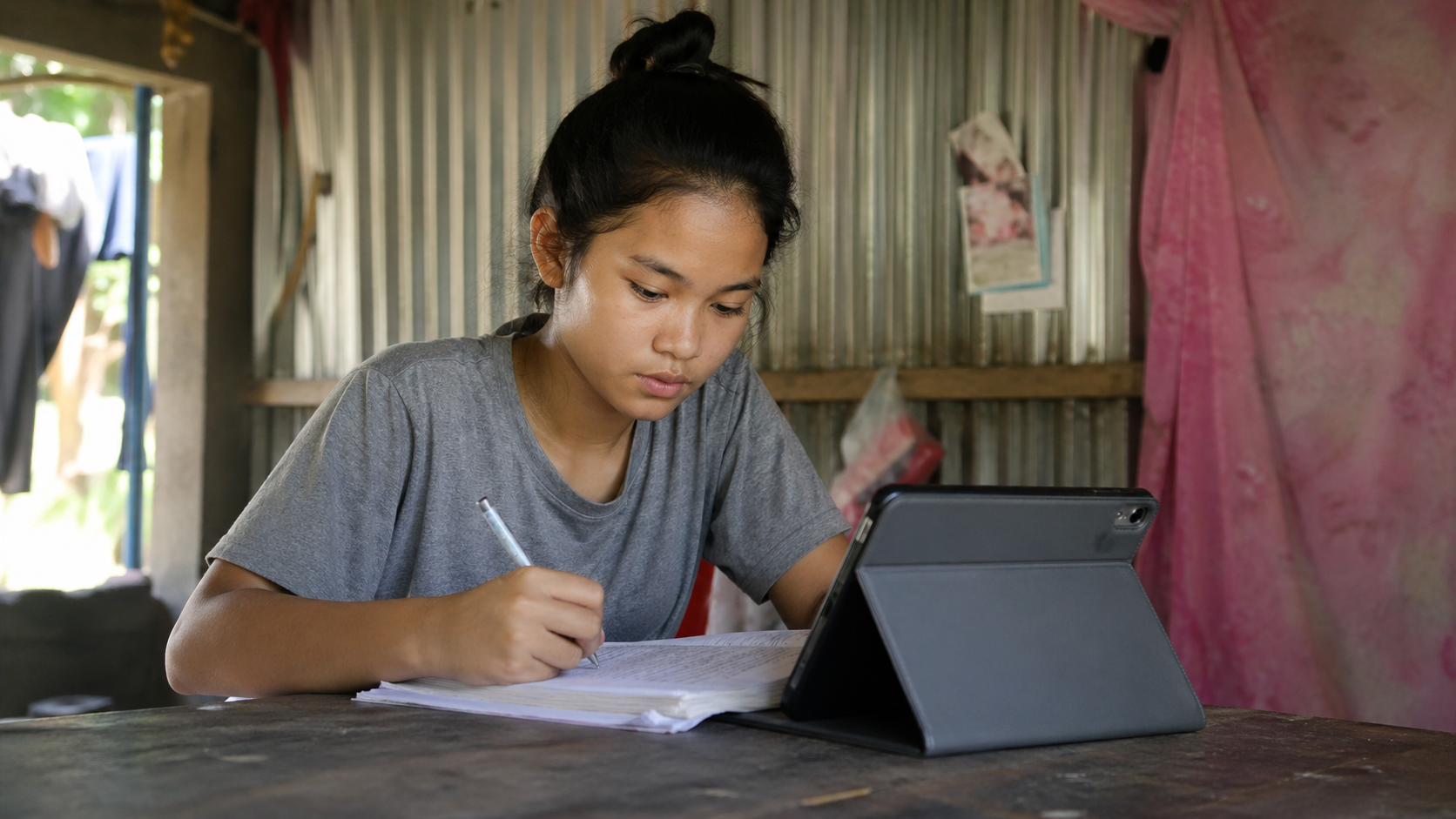
Digital education has transformed how knowledge is delivered and accessed, enabling learners to connect with educational resources beyond traditional classrooms. The rise of online learning platforms such as Khan Academy and Coursera has expanded opportunities for students worldwide. However, access to these resources is not equally distributed, with socioeconomic barriers limiting participation for many individuals. … Read more


Inclusive Leadership Strategies: Driving Equity and Representation in Modern Organizations

Inclusive leadership has become a critical priority for organizations seeking to thrive in diverse and globalized environments. As workplaces evolve, leaders are expected not only to manage performance but also to foster equity, representation, and belonging. Inclusive leadership ensures that individuals from different backgrounds feel valued, heard, and empowered to contribute meaningfully. Driving equity and … Read more

Circular Economy Strategies in Textile Manufacturing: From Waste Reduction to Closed-Loop Production

The textile industry is one of the largest contributors to global waste and environmental degradation, making sustainability a critical priority. Circular economy strategies are transforming how textiles are produced, used, and recycled by focusing on minimizing waste and maximizing resource efficiency. This shift moves the industry away from the traditional linear model of “produce–use–dispose.” By … Read more

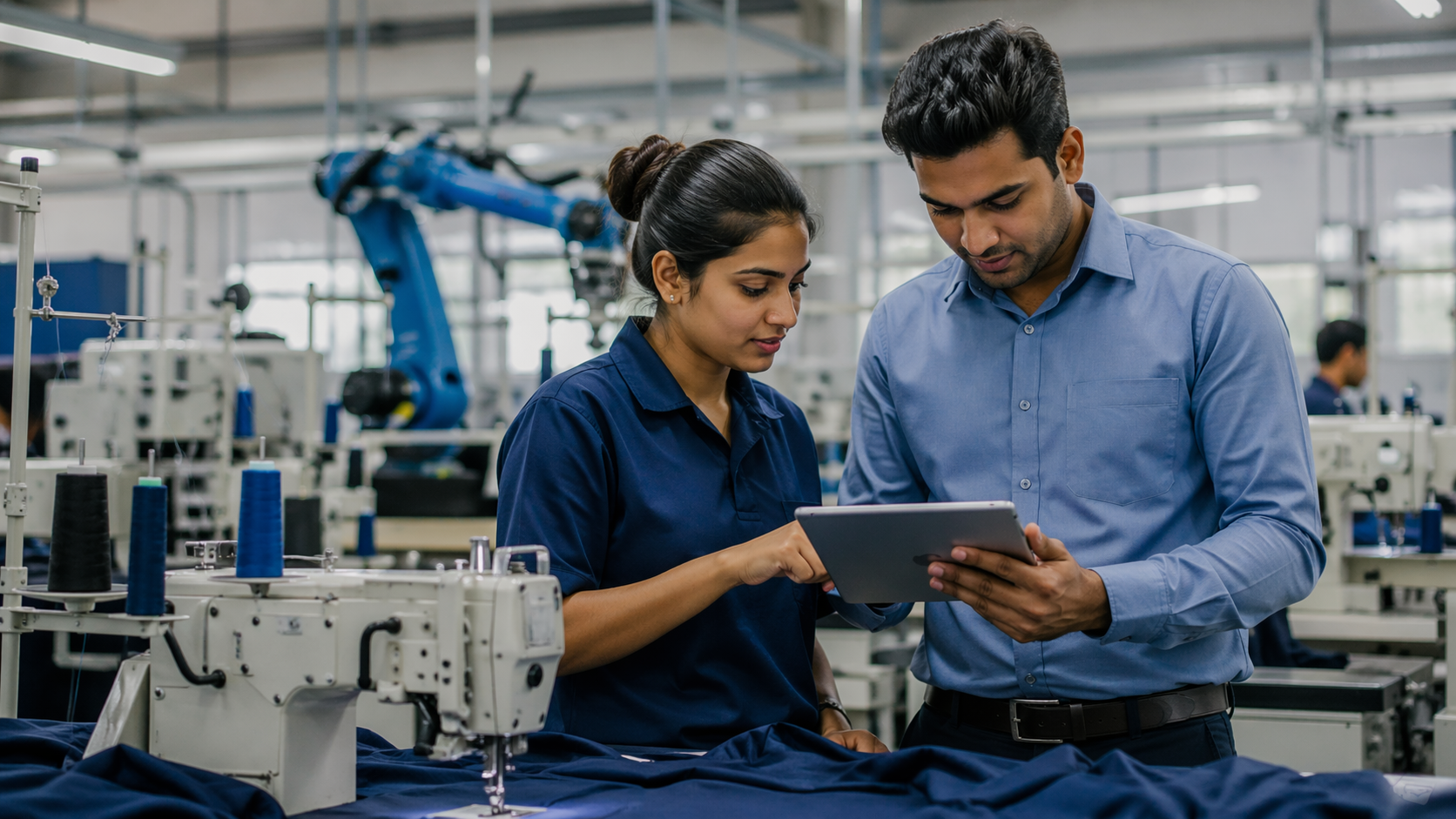
Digital Transformation and Skill Reskilling in Textile Industry 4.0: Bridging the Human–Machine Gap

The textile industry is undergoing a profound shift as it embraces Industry 4.0 technologies, redefining production, efficiency, and workforce dynamics. Digital transformation is not only about automation and smart systems but also about preparing human resources to work alongside advanced machines. This transition is creating both opportunities and challenges for textile manufacturers worldwide. As factories … Read more

Digital Twins in Textile Manufacturing: Virtual Simulation for Process Optimization and Sustainability

Textile manufacturing is undergoing a digital transformation as companies seek smarter ways to improve efficiency and reduce environmental impact. Digital twin technology—virtual replicas of physical systems—allows manufacturers to simulate, monitor, and optimize production processes in real time. By bridging the physical and digital worlds, digital twins provide actionable insights that enhance decision-making and operational performance. … Read more

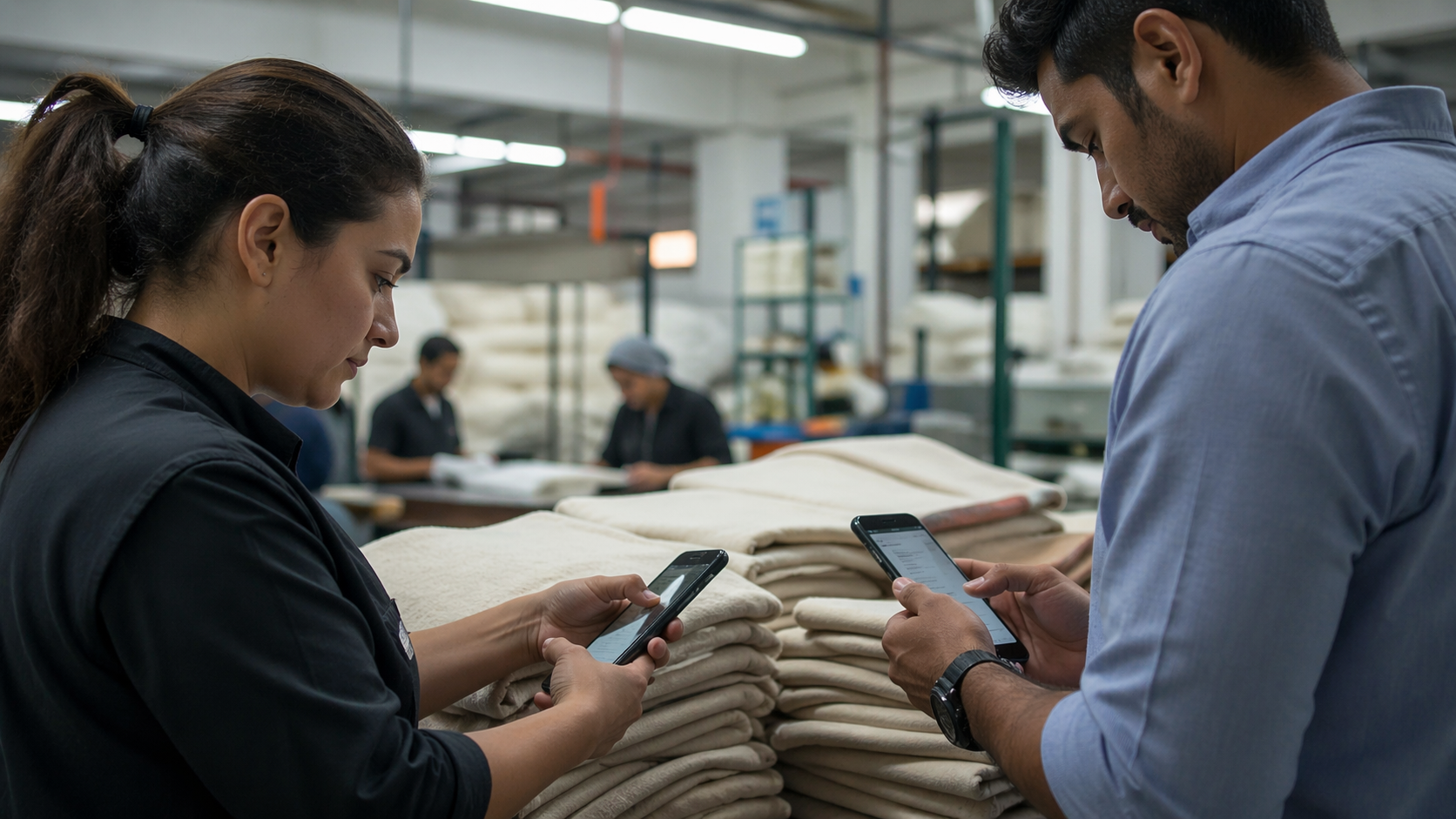
Blockchain Traceability in Textile Supply Chains: Ensuring Transparency and Ethical Sourcing

Global textile supply chains are complex, multi-tiered, and often opaque, making it difficult to verify sourcing practices and labor conditions. As consumer demand for ethical and sustainable products grows, brands are under increasing pressure to demonstrate transparency. Blockchain technology is emerging as a powerful solution to track materials, validate processes, and ensure accountability across the … Read more

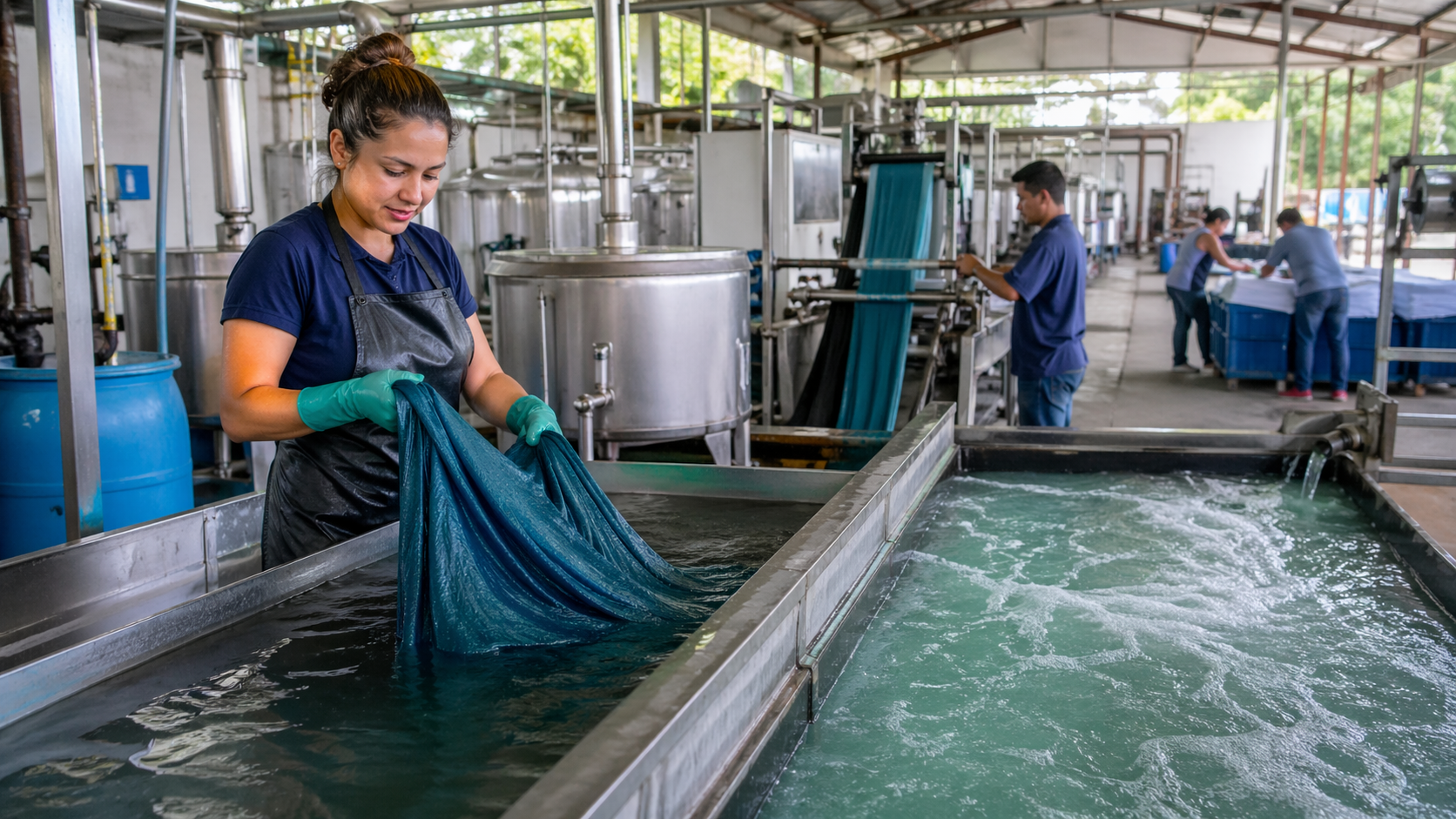
Green Manufacturing Technologies in Costa Rica’s Textile Sector: Water Efficiency, Clean Dyeing, and Low-Carbon Production

Costa Rica’s textile sector is increasingly aligning with global sustainability goals by adopting green manufacturing technologies. Environmental concerns such as water scarcity, chemical pollution, and carbon emissions have pushed manufacturers to rethink traditional production methods. As international buyers demand eco-friendly practices, the shift toward sustainable manufacturing is becoming both an environmental necessity and a competitive … Read more

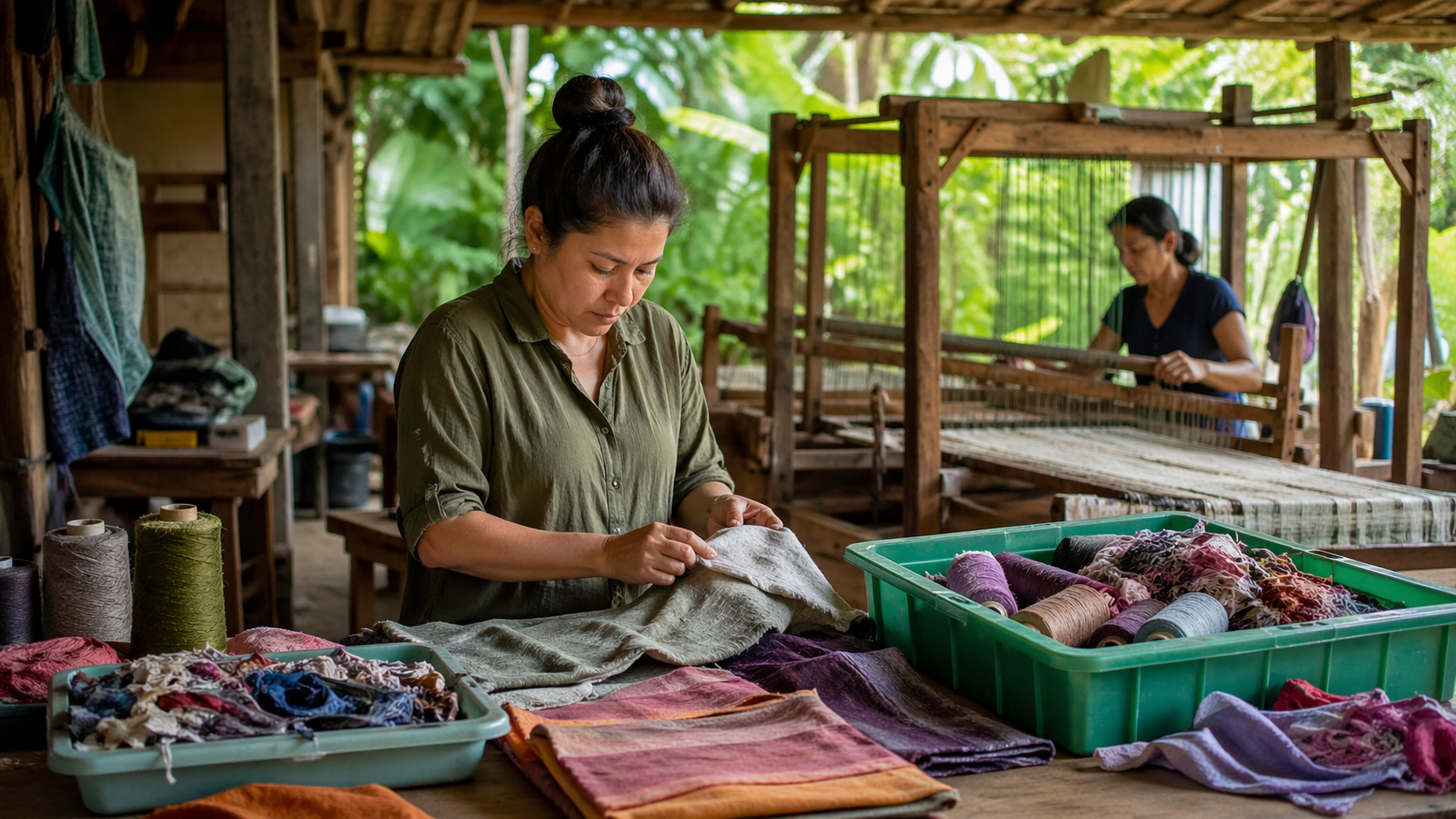
Circular Textile Economy in Costa Rica: Waste Valorization, Recycling Models, and Closed-Loop Production

Costa Rica’s textile sector is gradually transitioning from traditional linear production models toward circular systems that emphasize sustainability and resource efficiency. Historically, textile manufacturing has relied on a “take-make-dispose” approach, contributing to waste generation and environmental degradation. However, growing awareness of sustainability and global market pressures are encouraging the adoption of circular economy principles. A … Read more

Trade Policy Compliance and Market Access Barriers in Costa Rica’s Textile Export Sector

Costa Rica’s textile export sector operates within a complex global trade environment shaped by regulations, compliance requirements, and shifting market dynamics. As the country seeks to strengthen its position in international markets, adherence to trade policies becomes essential for maintaining competitiveness and credibility. Exporters must navigate a wide range of rules that govern product standards, … Read more

Economic Mobility and Workforce Outcomes: How HBCUs Shape Career Pathways for Minority Graduates

Historically Black Colleges and Universities (HBCUs) have played a transformative role in expanding educational access and economic mobility for minority communities in the United States. Established during periods of segregation, these institutions continue to serve as critical pathways for students seeking upward mobility, professional success, and leadership opportunities. Their impact extends far beyond academics, shaping … Read more