Upcycling and Textile Waste Reduction Initiatives in Costa Rica: Building a Sustainable Production Model

Costa Rica has emerged as a regional leader in sustainability, and its textile sector is increasingly embracing circular economy principles. With growing concerns over textile waste and environmental degradation, upcycling and waste reduction initiatives are gaining traction. These approaches transform discarded materials into valuable products, reducing landfill pressure and promoting resource efficiency. The shift toward … Read more
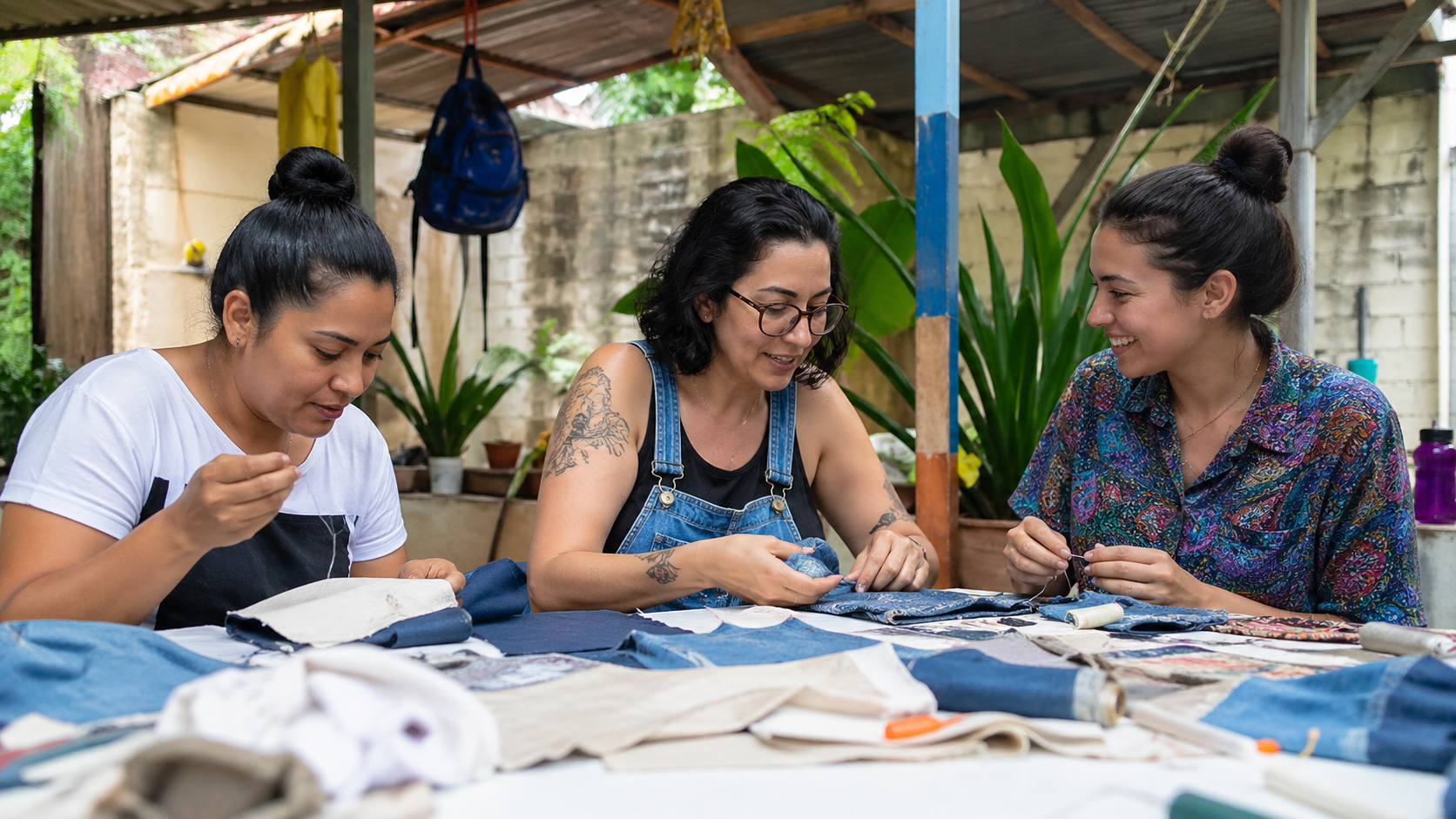

Community-Based Textile Recycling and Social Innovation in Costa Rica

Community-based textile recycling is emerging as a powerful model of social innovation in Costa Rica. By combining environmental sustainability with community participation, this approach addresses textile waste while creating economic and social opportunities. It shifts recycling from an industrial-only process to a locally driven, inclusive system. In a country known for its strong environmental commitment, … Read more

Sustainable Innovation in Costa Rica’s Textile Sector

Costa Rica’s textile industry has increasingly embraced sustainable innovation, balancing economic growth with environmental responsibility. As global demand for eco-friendly products rises, manufacturers in Costa Rica are implementing practices that reduce environmental impact while promoting social responsibility and long-term profitability. Sustainable innovation in textiles involves integrating energy-efficient production, waste reduction, water conservation, and ethical labor … Read more

Circular Economy Strategies in Textile Manufacturing: From Waste Reduction to Closed-Loop Production

The textile industry is one of the largest contributors to global waste and environmental degradation, making sustainability a critical priority. Circular economy strategies are transforming how textiles are produced, used, and recycled by focusing on minimizing waste and maximizing resource efficiency. This shift moves the industry away from the traditional linear model of “produce–use–dispose.” By … Read more

Blockchain Traceability in Textile Supply Chains: Ensuring Transparency and Ethical Sourcing

Global textile supply chains are complex, multi-tiered, and often opaque, making it difficult to verify sourcing practices and labor conditions. As consumer demand for ethical and sustainable products grows, brands are under increasing pressure to demonstrate transparency. Blockchain technology is emerging as a powerful solution to track materials, validate processes, and ensure accountability across the … Read more

Green Manufacturing Technologies in Costa Rica’s Textile Sector: Water Efficiency, Clean Dyeing, and Low-Carbon Production

Costa Rica’s textile sector is increasingly aligning with global sustainability goals by adopting green manufacturing technologies. Environmental concerns such as water scarcity, chemical pollution, and carbon emissions have pushed manufacturers to rethink traditional production methods. As international buyers demand eco-friendly practices, the shift toward sustainable manufacturing is becoming both an environmental necessity and a competitive … Read more

Trade Policy Compliance and Market Access Barriers in Costa Rica’s Textile Export Sector

Costa Rica’s textile export sector operates within a complex global trade environment shaped by regulations, compliance requirements, and shifting market dynamics. As the country seeks to strengthen its position in international markets, adherence to trade policies becomes essential for maintaining competitiveness and credibility. Exporters must navigate a wide range of rules that govern product standards, … Read more

Customs Enforcement and Anti-Circumvention Measures in Costa Rica’s Textile Trade

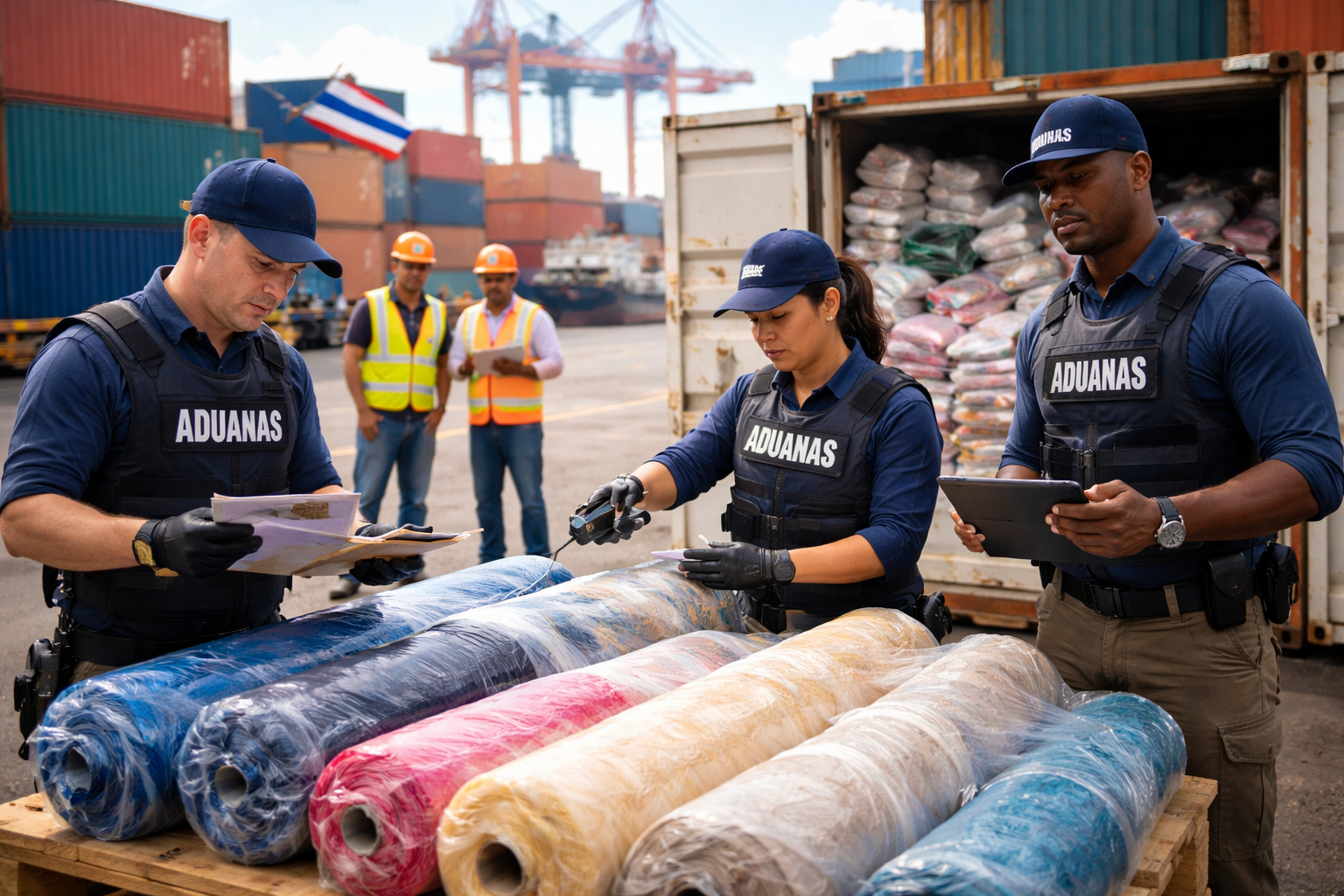
International textile trade operates within a complex regulatory environment where compliance and enforcement play a decisive role in competitiveness. For Costa Rica, customs enforcement and anti-circumvention measures are essential tools to protect domestic industries and ensure fair trade practices. These mechanisms help prevent illegal trade activities that undermine legitimate exporters. Anti-circumvention measures are particularly important … Read more

Digital Transformation and Automation Trends in Costa Rica’s Textile Production

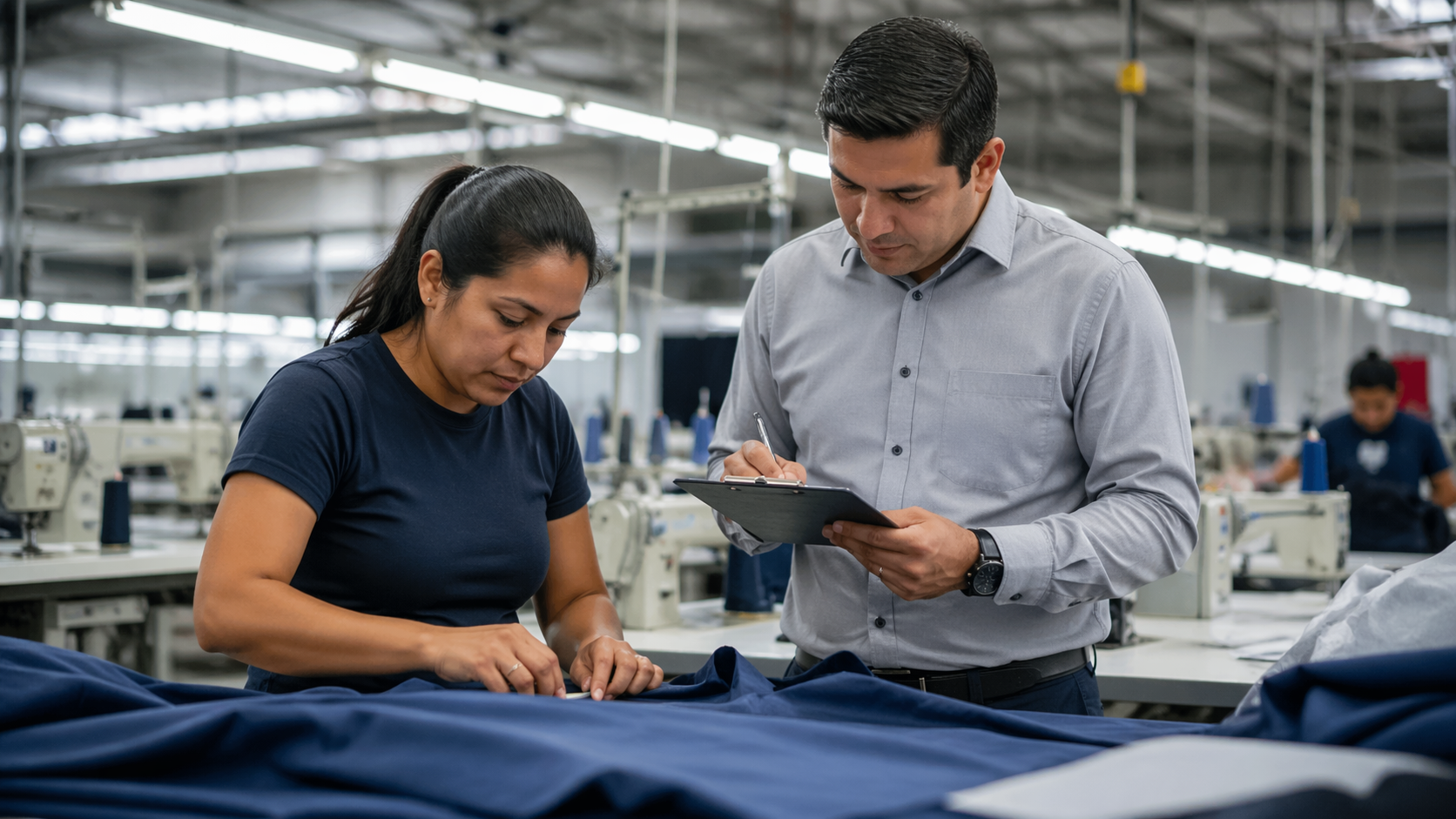
Costa Rica’s textile production sector is undergoing a gradual yet impactful transformation driven by digital technologies and automation. As global competition intensifies and sustainability expectations rise, manufacturers are shifting from traditional labor-intensive methods toward smarter, technology-enabled production systems. This transition is essential for improving efficiency, quality, and responsiveness to market demands. Digital transformation in the … Read more

Wastewater Treatment Technologies in Costa Rica’s Textile Sector: Advancing Sustainable Dyeing Solutions

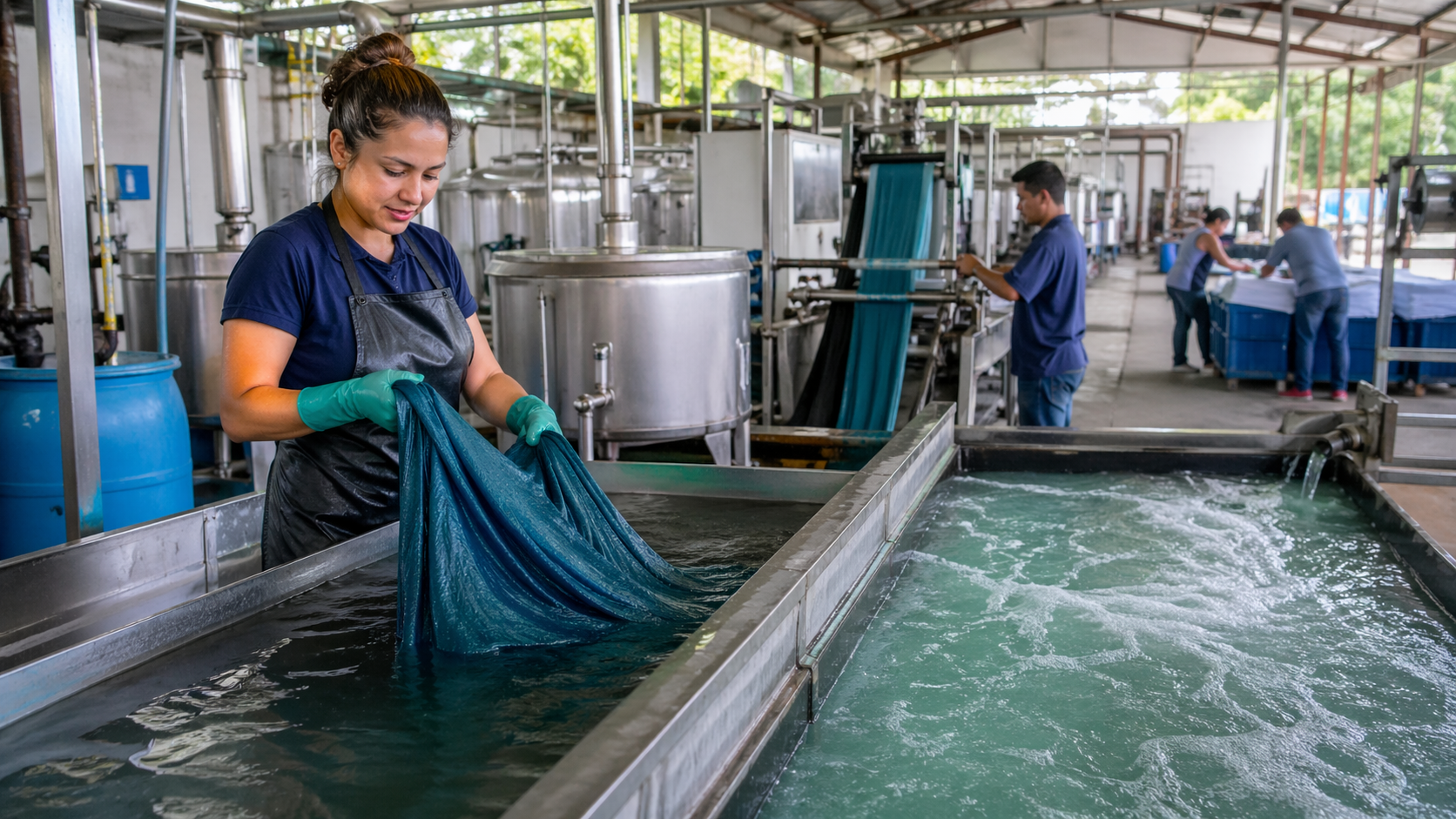
Costa Rica’s textile sector is increasingly aligning with sustainability goals, particularly in managing wastewater generated during dyeing and finishing processes. Textile dyeing is water-intensive and produces effluents containing chemicals, dyes, and suspended solids that can harm ecosystems if not properly treated. As environmental regulations and global sustainability standards evolve, the industry is adopting advanced treatment … Read more