Customs Enforcement and Anti-Circumvention Measures in Costa Rica’s Textile Trade
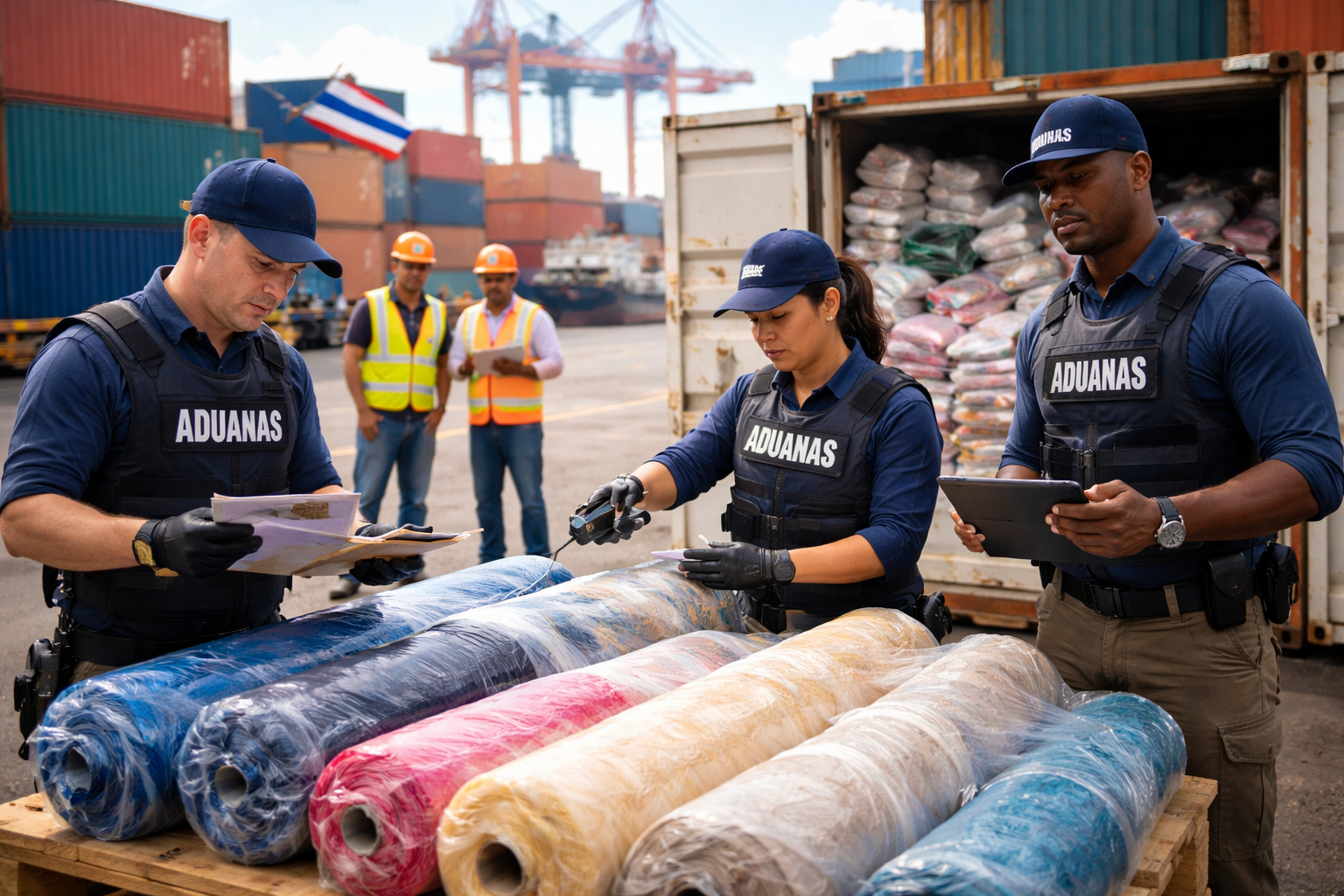
International textile trade operates within a complex regulatory environment where compliance and enforcement play a decisive role in competitiveness. For Costa Rica, customs enforcement and anti-circumvention measures are essential tools to protect domestic industries and ensure fair trade practices. These mechanisms help prevent illegal trade activities that undermine legitimate exporters. Anti-circumvention measures are particularly important … Read more


Rules of Origin and Their Impact on Costa Rica’s Textile Export Competitiveness

Global trade in textiles depends heavily on regulatory frameworks that determine how goods qualify for preferential tariffs. Among these frameworks, the Rules of Origin play a critical role in shaping export competitiveness. For countries like Costa Rica, these rules influence market access, production strategies, and overall industry growth. Understanding how rules of origin function is … Read more

Value-Added Textile Production in Costa Rica: Moving from Basic Manufacturing to High-Performance Fabrics

Costa Rica’s textile industry is undergoing a significant transformation as it shifts from basic manufacturing toward high-value, performance-oriented production. Traditionally focused on labor-intensive processes and standard garments, the sector is now embracing innovation, specialization, and advanced materials to remain competitive in global markets. This transition reflects broader changes in global supply chains and increasing demand … Read more

Supply Chain Digitization and Resilience Strategies in Costa Rica’s Textile Industry

Costa Rica’s textile industry has evolved from a traditional manufacturing base into a more specialized and efficiency-driven sector. Facing global competition, fluctuating raw material costs, and supply disruptions, the industry increasingly relies on digital transformation to remain competitive. Supply chain digitization has emerged as a key enabler of resilience, transparency, and operational efficiency. As global … Read more

Digital Transformation and Automation Trends in Costa Rica’s Textile Production

Costa Rica’s textile production sector is undergoing a gradual yet impactful transformation driven by digital technologies and automation. As global competition intensifies and sustainability expectations rise, manufacturers are shifting from traditional labor-intensive methods toward smarter, technology-enabled production systems. This transition is essential for improving efficiency, quality, and responsiveness to market demands. Digital transformation in the … Read more

Wastewater Treatment Technologies in Costa Rica’s Textile Sector: Advancing Sustainable Dyeing Solutions

Costa Rica’s textile sector is increasingly aligning with sustainability goals, particularly in managing wastewater generated during dyeing and finishing processes. Textile dyeing is water-intensive and produces effluents containing chemicals, dyes, and suspended solids that can harm ecosystems if not properly treated. As environmental regulations and global sustainability standards evolve, the industry is adopting advanced treatment … Read more

Inclusive Economic Growth Through Skill Modernization in Traditional Industries

Traditional industries such as textiles, agriculture, and handicrafts form the backbone of many economies, especially in developing regions. However, rapid technological advancements and shifting market demands have created a pressing need for skill modernization. Updating workforce capabilities is essential not only for productivity but also for ensuring inclusive economic growth that benefits all sections of … Read more

AI Governance and Ethical Accountability in Global Human Rights Frameworks

Artificial intelligence is rapidly reshaping societies, economies, and governance systems across the world. While AI offers significant benefits in efficiency and innovation, it also raises complex ethical concerns, particularly in relation to human rights. Issues such as surveillance, discrimination, and lack of transparency have prompted global discussions on how to regulate AI responsibly. AI governance … Read more

Digital Transformation and Skill Development in the Modern Textile Workforce

The textile industry, once driven primarily by manual labor and traditional techniques, is undergoing a rapid digital transformation. Technologies such as automation, data analytics, and smart manufacturing are reshaping production processes and workforce requirements. This shift is creating both opportunities and challenges for workers and businesses alike. To remain competitive, the modern textile workforce must … Read more

Corporate Accountability and Supply Chain Transparency in Global Human Rights Enforcement

In an increasingly globalized economy, corporations operate across complex supply chains that span multiple countries and regulatory systems. While this expansion creates economic opportunities, it also raises serious concerns about labor exploitation, environmental harm, and human rights violations. Ensuring accountability within these networks has become a critical global challenge. Corporate accountability and supply chain transparency … Read more