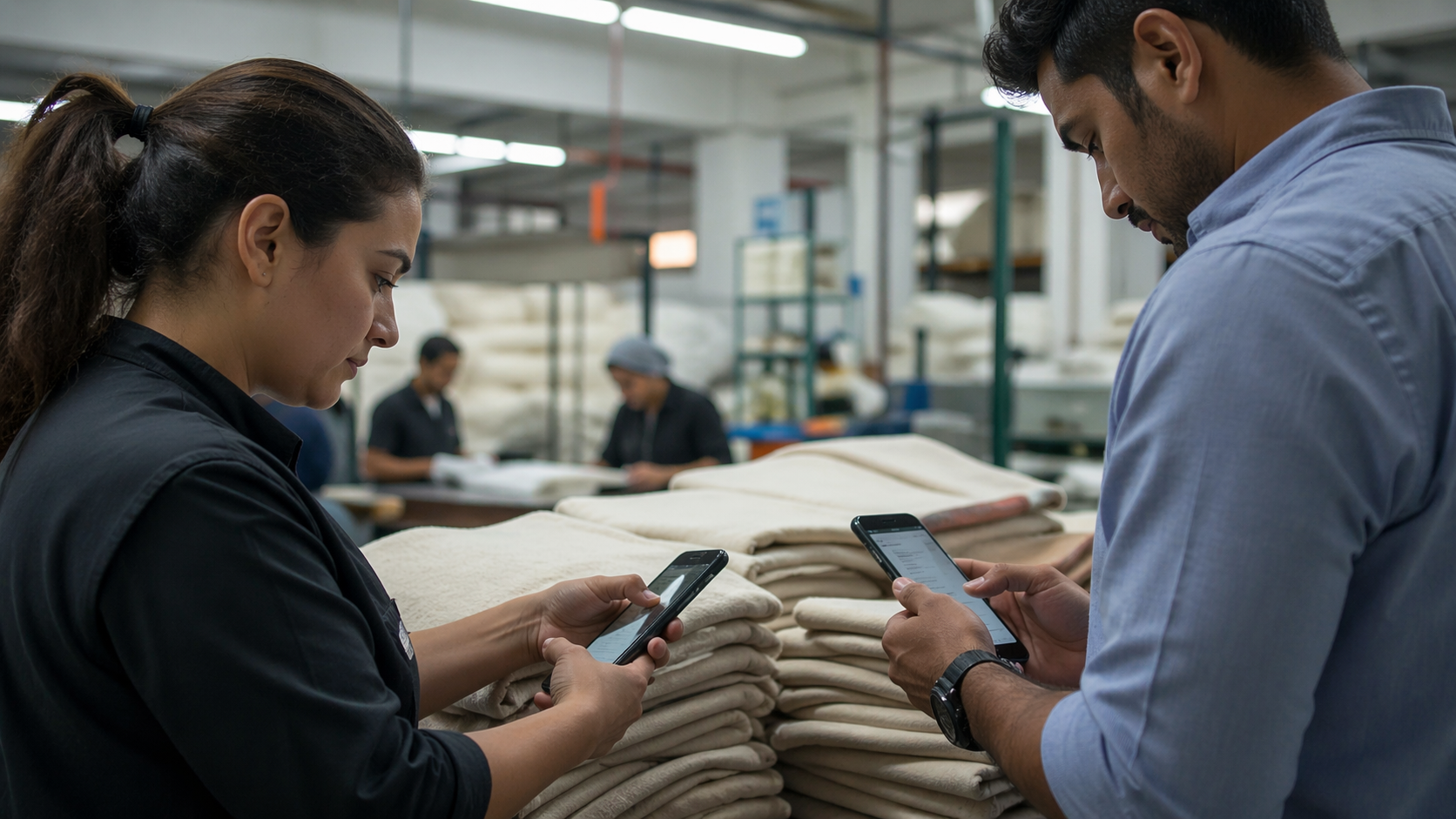
Global textile supply chains are complex, multi-tiered, and often opaque, making it difficult to verify sourcing practices and labor conditions. As consumer demand for ethical and sustainable products grows, brands are under increasing pressure to demonstrate transparency. Blockchain technology is emerging as a powerful solution to track materials, validate processes, and ensure accountability across the entire supply chain.
By creating immutable and verifiable records, blockchain enables stakeholders to trace the journey of textiles from raw materials to finished products. This innovation not only enhances trust but also supports compliance with environmental and ethical standards, transforming how the industry approaches sustainability.
System Overview
Overview Table: Blockchain in Textile Supply Chains
| Aspect | Description |
|---|---|
| Core Technology | Decentralized digital ledger system |
| Primary Goal | End-to-end supply chain transparency |
| Key Benefit | Verification of ethical sourcing practices |
| Data Tracked | Raw materials, production stages, logistics |
| Participants | Suppliers, manufacturers, brands, consumers |
| Outcome | Increased trust and accountability |
Blockchain operates as a distributed ledger where each transaction is recorded in a secure and tamper-resistant manner. In textile supply chains, this allows every stage—from fiber production to retail distribution—to be documented and verified.
This transparency reduces the risk of fraud, mislabeling, and unethical practices. It also enables brands to provide proof of origin and sustainability claims, strengthening consumer confidence.
Traceability Methods
- Unique digital identifiers are assigned to raw materials and products.
- Transactions are recorded at each stage of the supply chain.
- Smart contracts automate verification and compliance processes.
- Real-time data sharing ensures visibility across stakeholders.
Traceability is the foundation of blockchain applications in textiles. By linking each step of the production process, stakeholders can monitor the movement and transformation of materials with precision.
This level of visibility helps identify inefficiencies and ensures that all participants adhere to established standards. It also supports rapid response in case of quality or compliance issues.
Transparency Gains
- Consumers gain access to verified product histories.
- Brands can demonstrate compliance with ethical standards.
- Regulators benefit from improved oversight capabilities.
- Supply chain partners operate with greater accountability.
Transparency is a key driver of blockchain adoption in the textile industry. By providing clear and verifiable information, companies can build trust with consumers and stakeholders.
This openness also encourages responsible behavior across the supply chain. When actions are visible and traceable, participants are more likely to adhere to ethical practices.
Ethical Sourcing
- Verification of labor conditions at production sites.
- Tracking of environmentally sustainable raw materials.
- Prevention of counterfeit or misrepresented goods.
- Support for fair trade and responsible sourcing initiatives.
Ethical sourcing is a major concern in the textile industry, where issues such as labor exploitation and environmental harm are prevalent. Blockchain helps address these challenges by providing verifiable evidence of compliance.
By ensuring that materials are sourced responsibly, companies can align their operations with sustainability goals and consumer expectations.
Operational Benefits
- Improved efficiency through automated processes.
- Reduced administrative costs and paperwork.
- Enhanced coordination among supply chain partners.
- Faster resolution of disputes and discrepancies.
Blockchain not only improves transparency but also enhances operational efficiency. Automation and real-time data sharing streamline processes, reducing delays and errors.
These benefits contribute to cost savings and improved performance, making blockchain an attractive solution for supply chain management.
Implementation Challenges
- High initial investment in technology and infrastructure.
- Integration with existing systems can be complex.
- Data accuracy depends on input quality.
- Resistance to change among stakeholders.
Despite its advantages, implementing blockchain in textile supply chains presents challenges. Companies must invest in technology and training while ensuring that systems are compatible with existing operations.
Data integrity is another critical factor. Blockchain ensures that data cannot be altered, but it does not guarantee that the data entered is accurate. Effective governance is essential for maintaining reliability.
Technology Integration
- Internet of Things devices capture real-time data.
- Cloud platforms support scalable data storage.
- AI tools analyze patterns and optimize operations.
- Mobile applications provide user-friendly access.
Integration with other technologies enhances the effectiveness of blockchain solutions. IoT devices, for example, can automatically record data at various stages, reducing manual input and errors.
This combination of technologies creates a comprehensive system that supports both transparency and efficiency in textile supply chains.
Regulatory Role
- Governments encourage transparency through compliance requirements.
- Certification bodies use blockchain for verification.
- Standards organizations promote best practices.
- Policies support adoption of sustainable technologies.
Regulatory frameworks play an important role in driving blockchain adoption. By setting standards and encouraging transparency, governments and organizations create an environment that supports innovation.
Compliance with these regulations ensures that blockchain systems are aligned with broader sustainability and ethical goals.
Industry Impact
- Strengthens brand reputation and consumer trust.
- Encourages sustainable and ethical practices.
- Enhances competitiveness in global markets.
- Drives innovation in supply chain management.
The impact of blockchain on the textile industry is significant. By addressing transparency and ethical sourcing challenges, it enables companies to differentiate themselves and meet evolving consumer expectations.
This transformation is reshaping how supply chains are managed, creating opportunities for growth and innovation.
Final Thoughts
Blockchain traceability is revolutionizing textile supply chains by providing transparency, accountability, and ethical assurance. Through secure and verifiable data, it enables stakeholders to track materials and validate practices across every stage of production.
While challenges remain, the benefits of blockchain adoption are substantial. By embracing this technology, the textile industry can move toward more sustainable, ethical, and efficient supply chain systems that meet the demands of modern consumers.