Digital Transformation and Skill Development in the Modern Textile Workforce

The textile industry, once driven primarily by manual labor and traditional techniques, is undergoing a rapid digital transformation. Technologies such as automation, data analytics, and smart manufacturing are reshaping production processes and workforce requirements. This shift is creating both opportunities and challenges for workers and businesses alike. To remain competitive, the modern textile workforce must … Read more

Corporate Accountability and Supply Chain Transparency in Global Human Rights Enforcement

In an increasingly globalized economy, corporations operate across complex supply chains that span multiple countries and regulatory systems. While this expansion creates economic opportunities, it also raises serious concerns about labor exploitation, environmental harm, and human rights violations. Ensuring accountability within these networks has become a critical global challenge. Corporate accountability and supply chain transparency … Read more

Workplace Diversity and Inclusion: Building Fair Opportunities for All

Workplace diversity and inclusion have become essential priorities for organizations seeking sustainable growth and social responsibility. In a globalized world, businesses interact with people from diverse cultural, social, and professional backgrounds. Embracing this diversity not only strengthens organizational culture but also drives innovation and better decision-making. Inclusion goes beyond representation—it ensures that every individual feels … Read more

Digital Inequality and Human Rights: Bridging the Technology Gap

In today’s interconnected world, access to digital technology is no longer a luxury—it is a fundamental necessity. From education and employment to healthcare and civic participation, digital access shapes opportunities and outcomes. However, millions of people still face barriers to reliable internet, devices, and digital literacy, creating a significant gap known as digital inequality. This … Read more

Workforce Skills & Automation in Textile Manufacturing

The textile manufacturing sector is experiencing a profound transformation driven by automation, robotics, and digital technologies. While automation improves efficiency, precision, and productivity, it also reshapes the workforce, requiring new skills and adaptability. Manufacturers must balance technological adoption with workforce development to maintain competitiveness and ensure sustainable growth. Understanding the intersection of workforce skills and … Read more

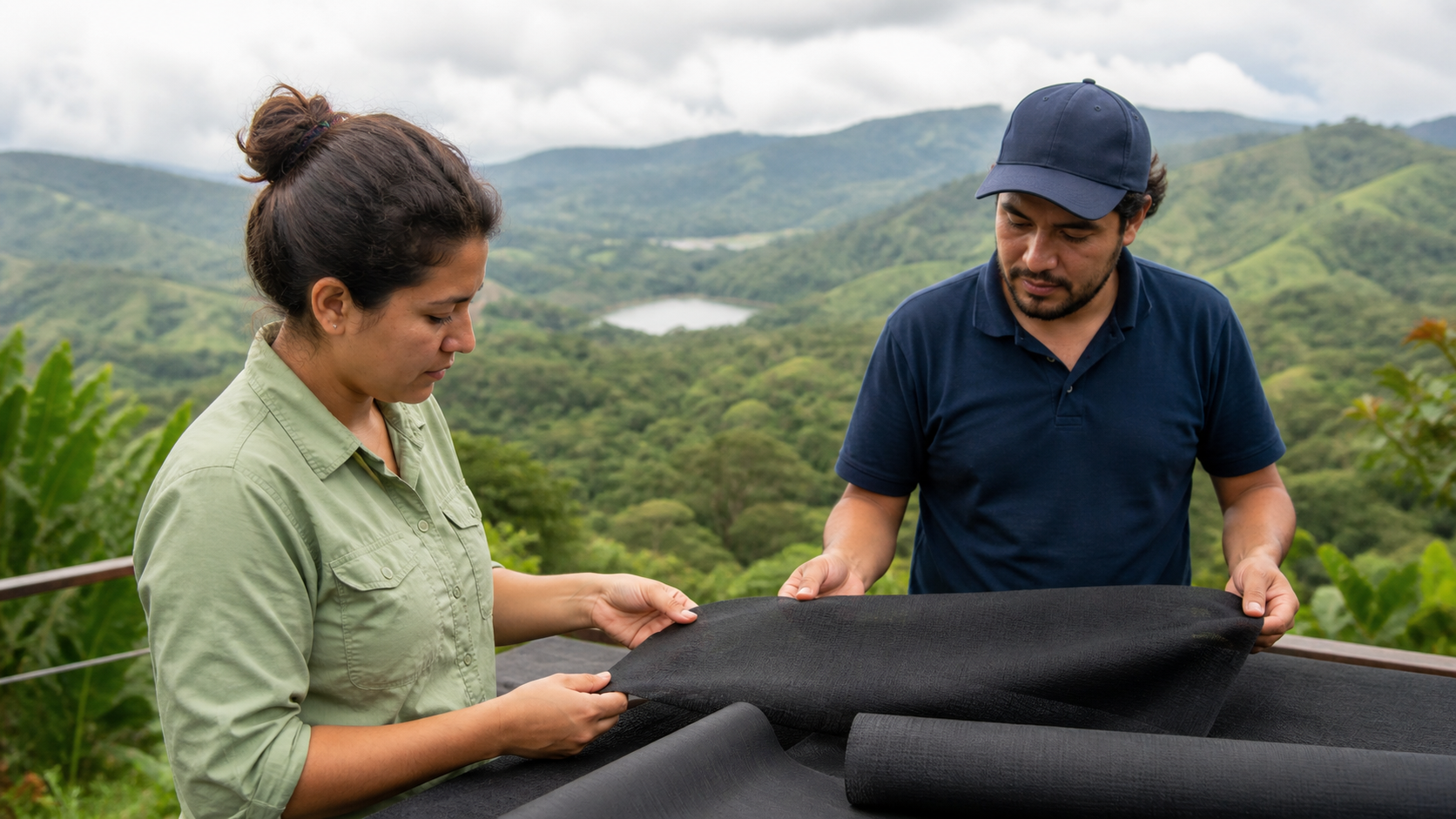
Sustainable Innovation in Costa Rica’s Textile Sector

Costa Rica’s textile industry has increasingly embraced sustainable innovation, balancing economic growth with environmental responsibility. As global demand for eco-friendly products rises, manufacturers in Costa Rica are implementing practices that reduce environmental impact while promoting social responsibility and long-term profitability. Sustainable innovation in textiles involves integrating energy-efficient production, waste reduction, water conservation, and ethical labor … Read more

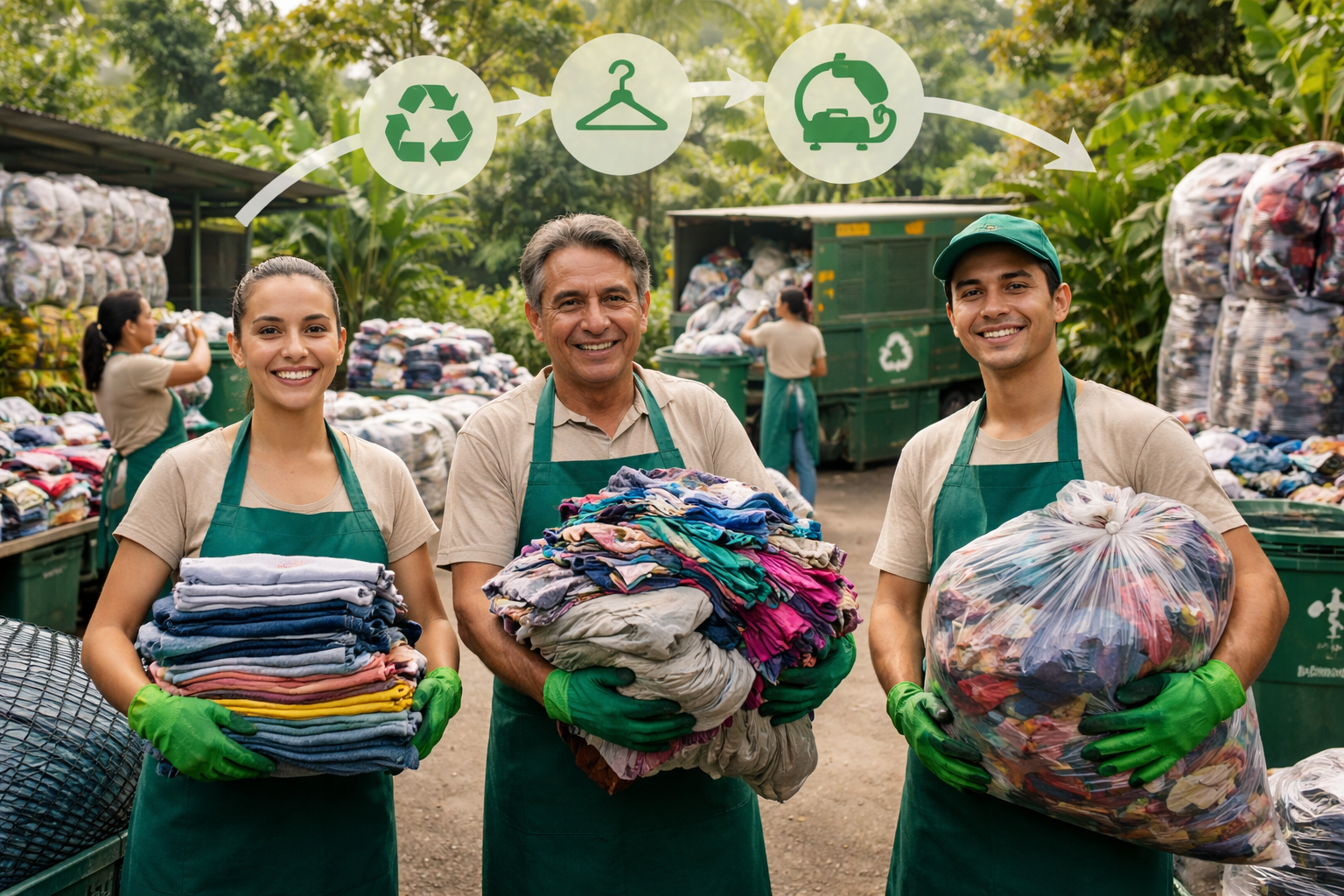
Circular Textile Economy in Costa Rica: Recycling, Reuse, and Closed-Loop Systems

Costa Rica has emerged as a leader in sustainability, and its textile sector is increasingly embracing circular economy principles. Moving away from traditional linear models of “produce, use, dispose,” the industry is adopting systems focused on recycling, reuse, and resource efficiency. These changes are driven by environmental priorities, global market demands, and national commitments to … Read more

Smart Factories in Textile Production: Automation, AI, and Real-Time Manufacturing

The textile industry is undergoing a significant transformation with the rise of smart factories, where automation, artificial intelligence, and real-time data integration are redefining manufacturing processes. Traditional production methods are being replaced by intelligent systems that enhance efficiency, reduce waste, and improve product quality. This shift is enabling textile manufacturers to stay competitive in a … Read more

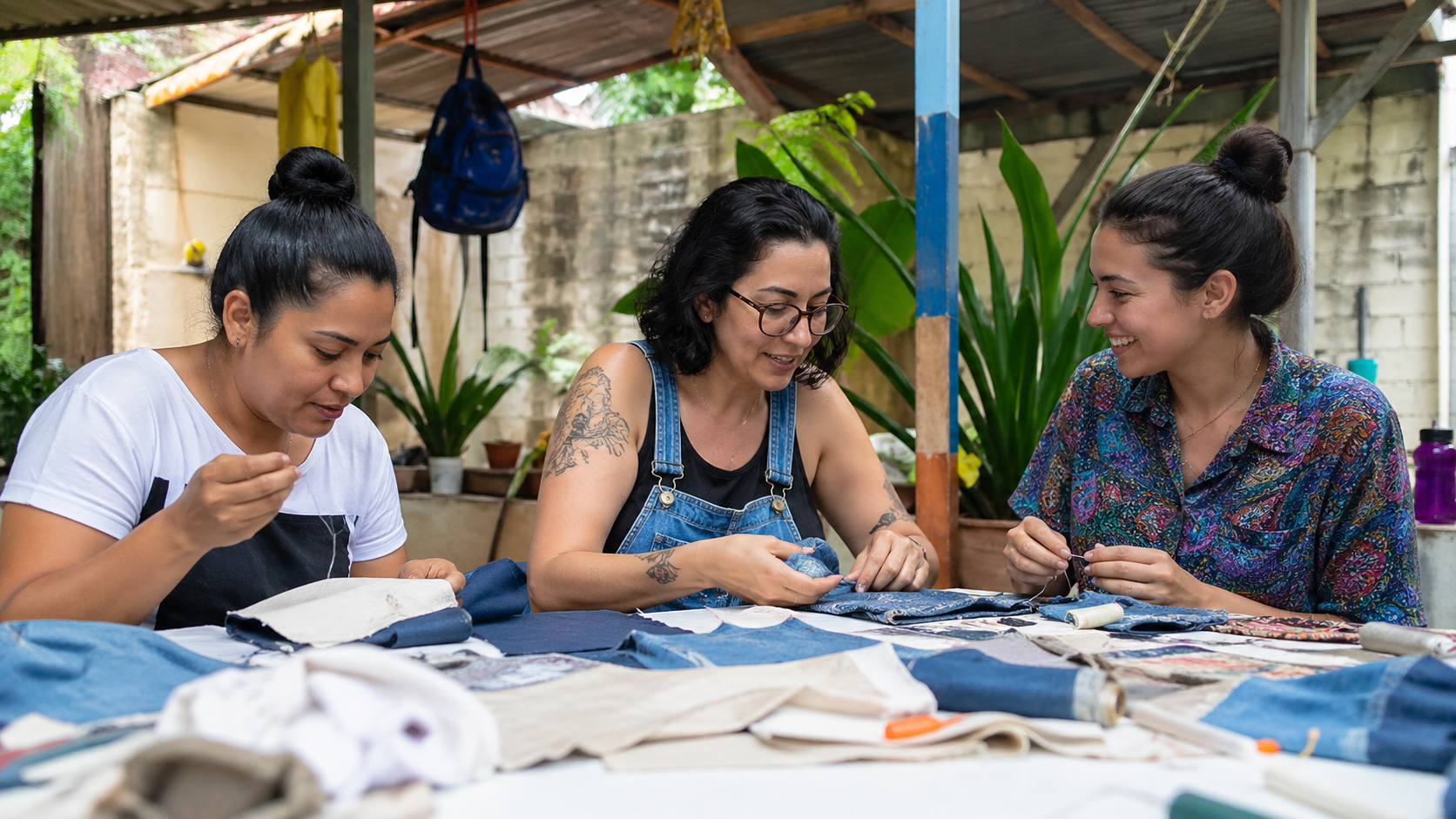
Social Sustainability and Ethical Labor Practices in Costa Rica’s Textile Industry

Costa Rica’s textile industry has increasingly recognized the importance of social sustainability and ethical labor practices as integral to long-term business success. Beyond environmental concerns, companies are now focusing on fair treatment of workers, equitable wages, and safe working conditions. By prioritizing social responsibility, textile manufacturers not only enhance their reputation but also strengthen workforce … Read more

Eco‑Innovation in Costa Rica’s Textile Supply Chain: Renewable Energy & Low‑Impact Logistics

Costa Rica’s textile industry is increasingly embracing eco‑innovation to align with global sustainability trends and reduce environmental impact. Renewable energy adoption and low‑impact logistics are at the forefront of this transformation, helping manufacturers minimize carbon footprints while maintaining efficiency. By integrating sustainable practices across the supply chain, Costa Rican textile producers are enhancing their competitiveness … Read more