Corporate Accountability and Supply Chain Transparency in Global Human Rights Enforcement

In an increasingly globalized economy, corporations operate across complex supply chains that span multiple countries and regulatory systems. While this expansion creates economic opportunities, it also raises serious concerns about labor exploitation, environmental harm, and human rights violations. Ensuring accountability within these networks has become a critical global challenge. Corporate accountability and supply chain transparency … Read more

Workplace Diversity and Inclusion: Building Fair Opportunities for All

Workplace diversity and inclusion have become essential priorities for organizations seeking sustainable growth and social responsibility. In a globalized world, businesses interact with people from diverse cultural, social, and professional backgrounds. Embracing this diversity not only strengthens organizational culture but also drives innovation and better decision-making. Inclusion goes beyond representation—it ensures that every individual feels … Read more

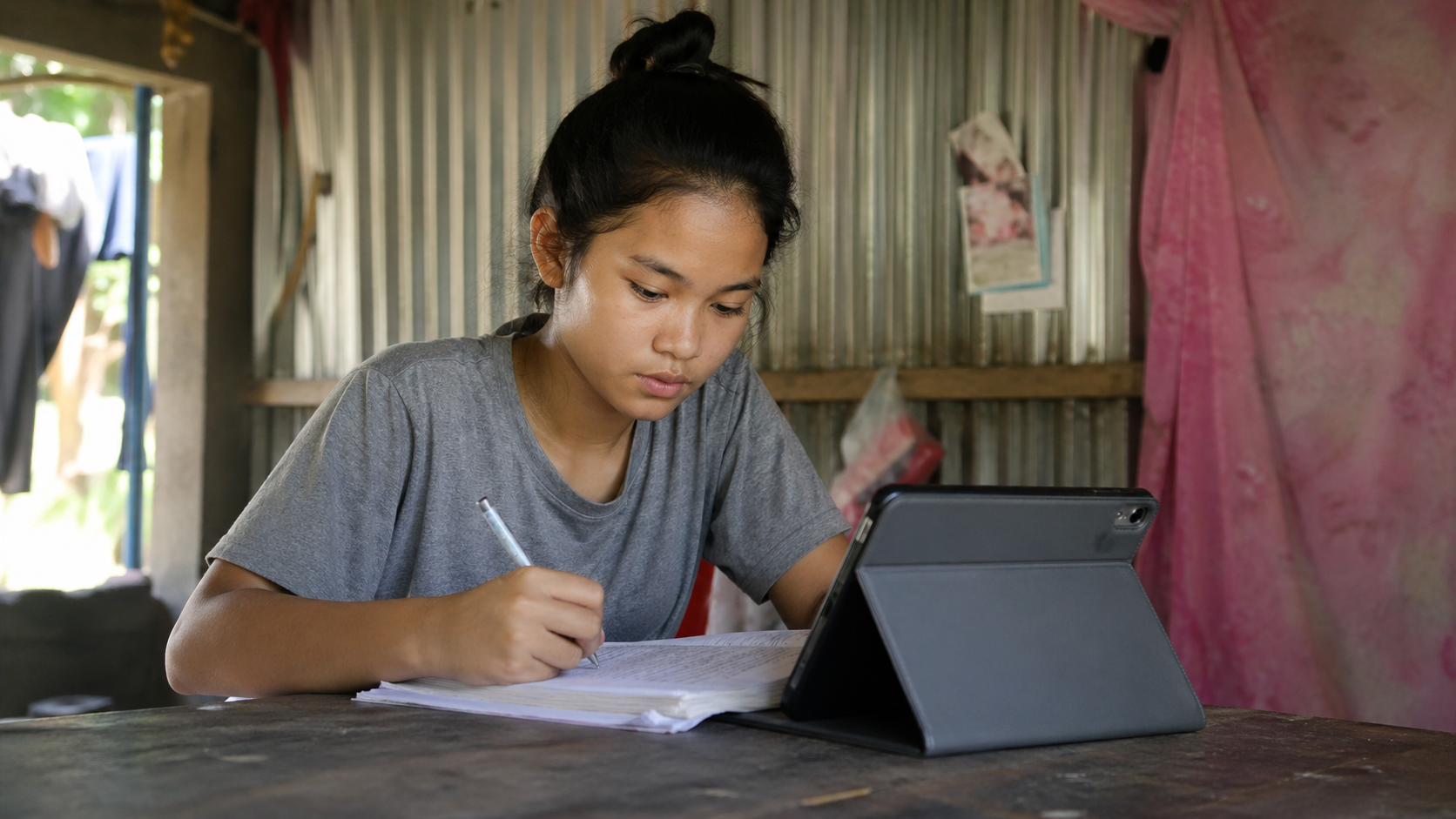
Digital Inequality and Human Rights: Bridging the Technology Gap

In today’s interconnected world, access to digital technology is no longer a luxury—it is a fundamental necessity. From education and employment to healthcare and civic participation, digital access shapes opportunities and outcomes. However, millions of people still face barriers to reliable internet, devices, and digital literacy, creating a significant gap known as digital inequality. This … Read more

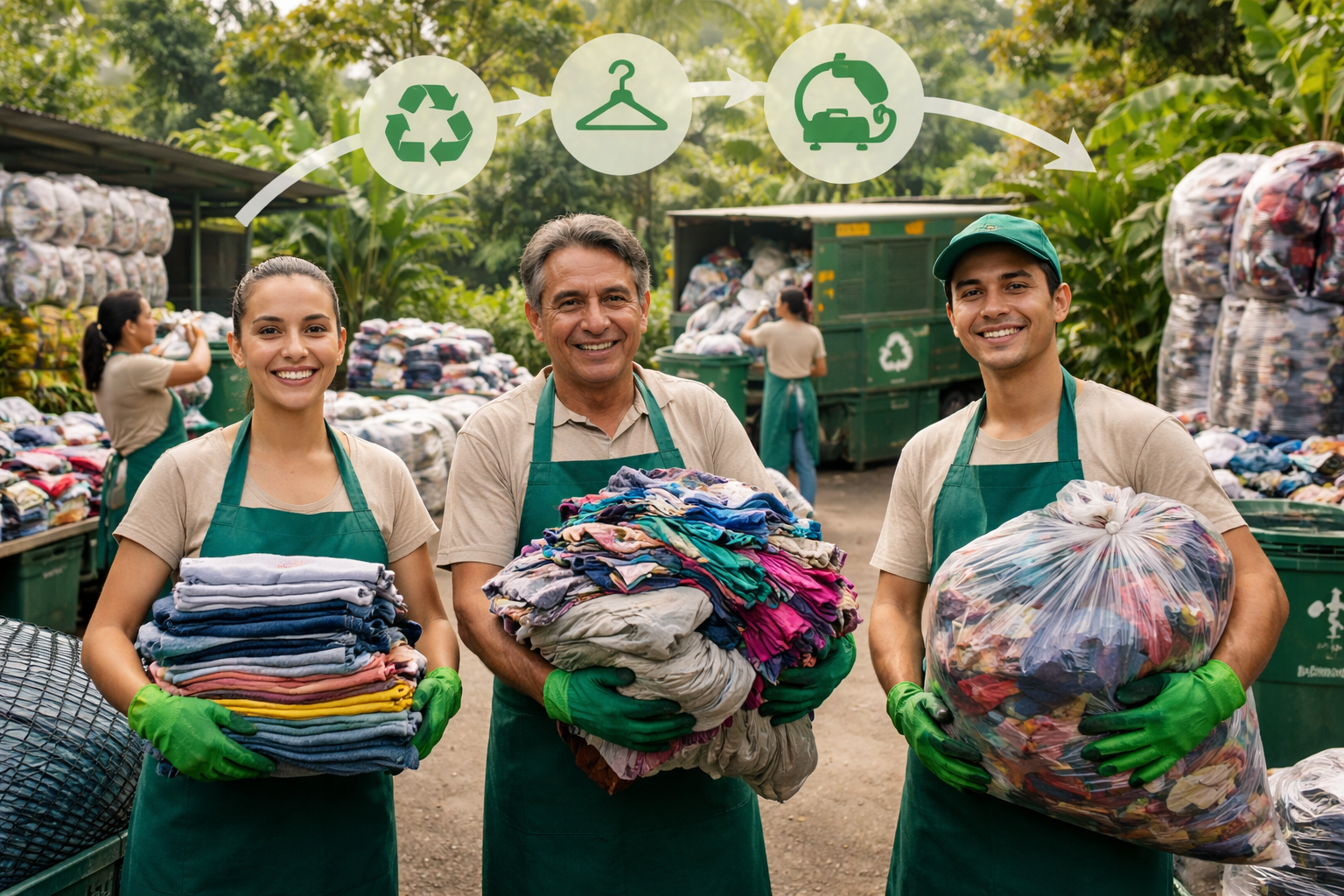
Circular Textile Economy in Costa Rica: Recycling, Reuse, and Closed-Loop Systems

Costa Rica has emerged as a leader in sustainability, and its textile sector is increasingly embracing circular economy principles. Moving away from traditional linear models of “produce, use, dispose,” the industry is adopting systems focused on recycling, reuse, and resource efficiency. These changes are driven by environmental priorities, global market demands, and national commitments to … Read more

Eco‑Innovation in Costa Rica’s Textile Supply Chain: Renewable Energy & Low‑Impact Logistics

Costa Rica’s textile industry is increasingly embracing eco‑innovation to align with global sustainability trends and reduce environmental impact. Renewable energy adoption and low‑impact logistics are at the forefront of this transformation, helping manufacturers minimize carbon footprints while maintaining efficiency. By integrating sustainable practices across the supply chain, Costa Rican textile producers are enhancing their competitiveness … Read more

Workforce Development in Costa Rica’s Textile Industry: Skills, Training, and Future Readiness

Costa Rica’s textile industry is evolving rapidly as global demand shifts toward sustainability, innovation, and high-quality production. To remain competitive, the sector must invest heavily in workforce development. Skilled labor is no longer limited to traditional manufacturing roles; it now includes expertise in digital design, sustainable materials, and advanced production technologies. Developing a future-ready workforce … Read more

Social Determinants of Health in African American Communities: Beyond Access to Care

Health outcomes are shaped by far more than access to medical services. In African American communities, a complex web of social, economic, and environmental factors significantly influences overall well-being. These influences, known as social determinants of health, affect how people live, work, and age, often creating disparities that persist across generations. Understanding these determinants is … Read more

Circular Fashion Policies and Government Initiatives in Costa Rica

Costa Rica has emerged as a regional leader in sustainability, and its approach to circular fashion reflects a broader national commitment to environmental protection and resource efficiency. While the country does not yet have fashion-specific legislation as advanced as some global leaders, it integrates circular economy principles into national policies that directly influence the textile … Read more

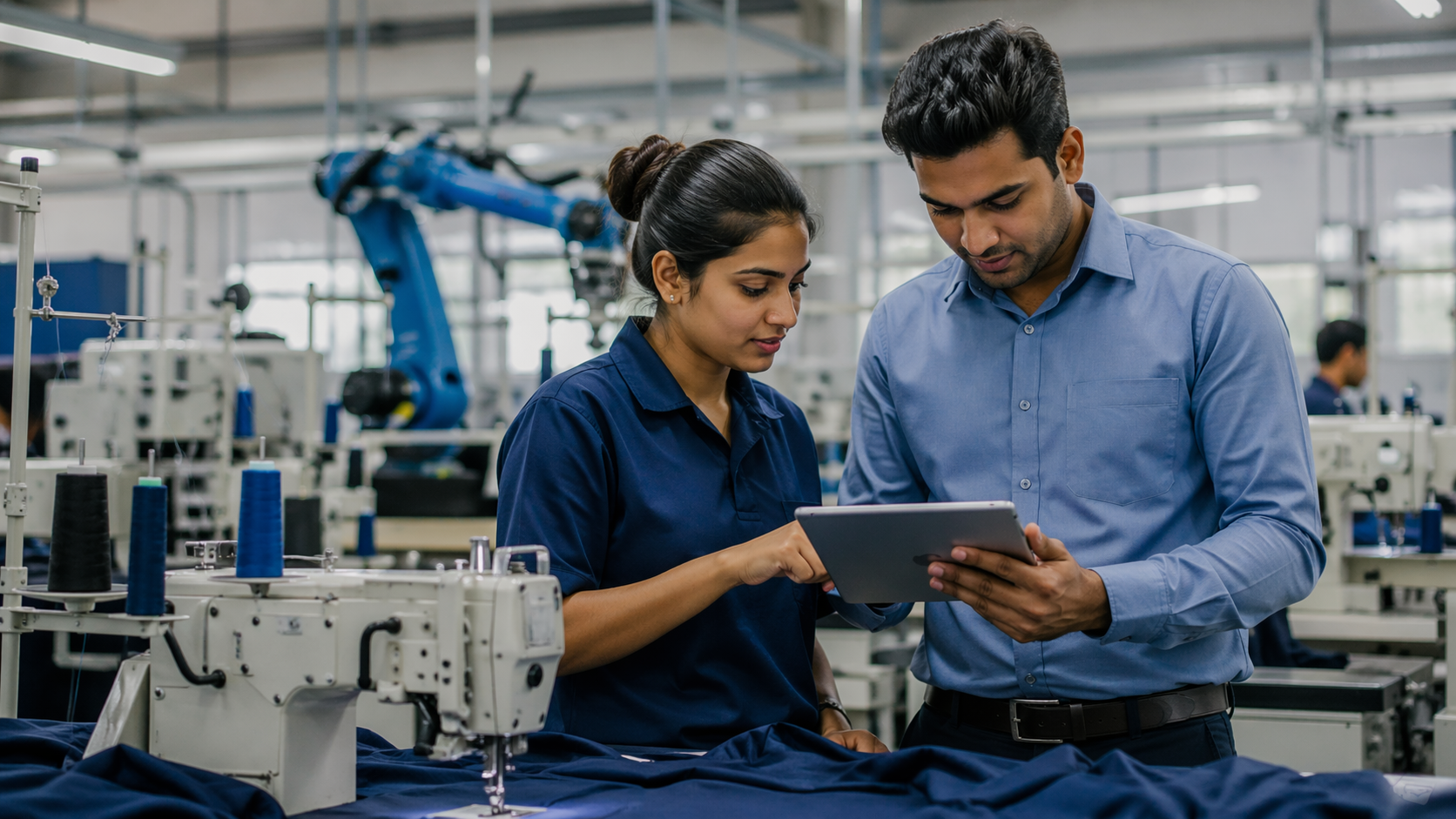
Technology Modernization in Costa Rica’s Textile Industry: Barriers and Breakthroughs

The textile industry is undergoing rapid transformation worldwide, driven by automation, digitalization, and sustainability demands. In Costa Rica, modernization efforts are reshaping traditional manufacturing processes, enabling businesses to improve efficiency and compete in global markets. However, this transition is not without challenges. Costa Rica’s textile sector is balancing innovation with structural limitations such as cost … Read more

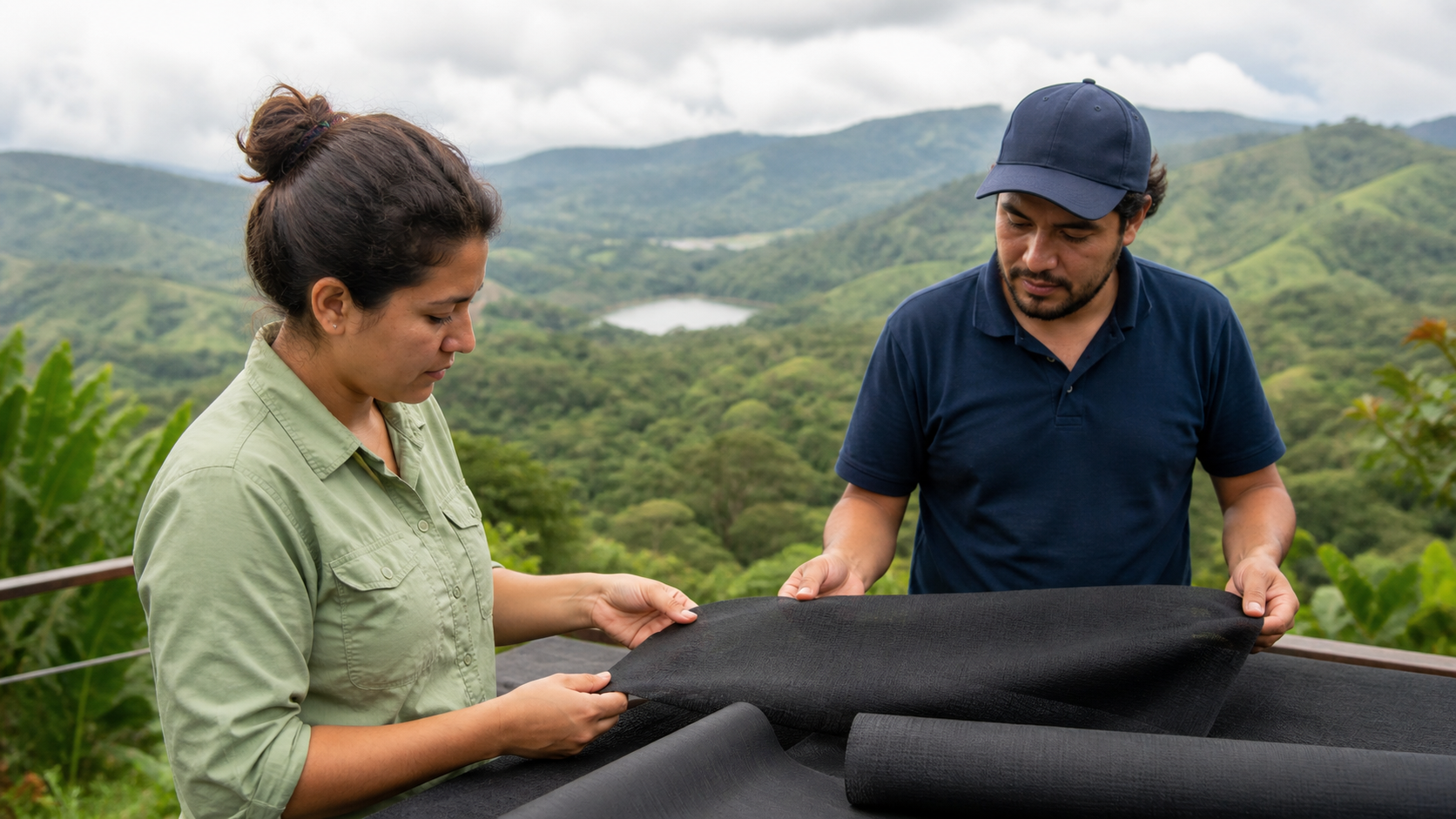
Sustainable Textile Innovation in Costa Rica: From Eco-Fibers to Circular Production

Sustainability has become a defining force in the global textile industry, pushing countries to rethink how fabrics are produced, used, and recycled. Costa Rica has emerged as a noteworthy example, integrating environmental responsibility with industrial innovation. Known for its strong environmental policies, the country is applying similar principles to its textile sector. From eco-friendly fibers … Read more