Digital Twins in Textile Manufacturing: Virtual Simulation for Process Optimization and Sustainability

Textile manufacturing is undergoing a digital transformation as companies seek smarter ways to improve efficiency and reduce environmental impact. Digital twin technology—virtual replicas of physical systems—allows manufacturers to simulate, monitor, and optimize production processes in real time. By bridging the physical and digital worlds, digital twins provide actionable insights that enhance decision-making and operational performance. … Read more
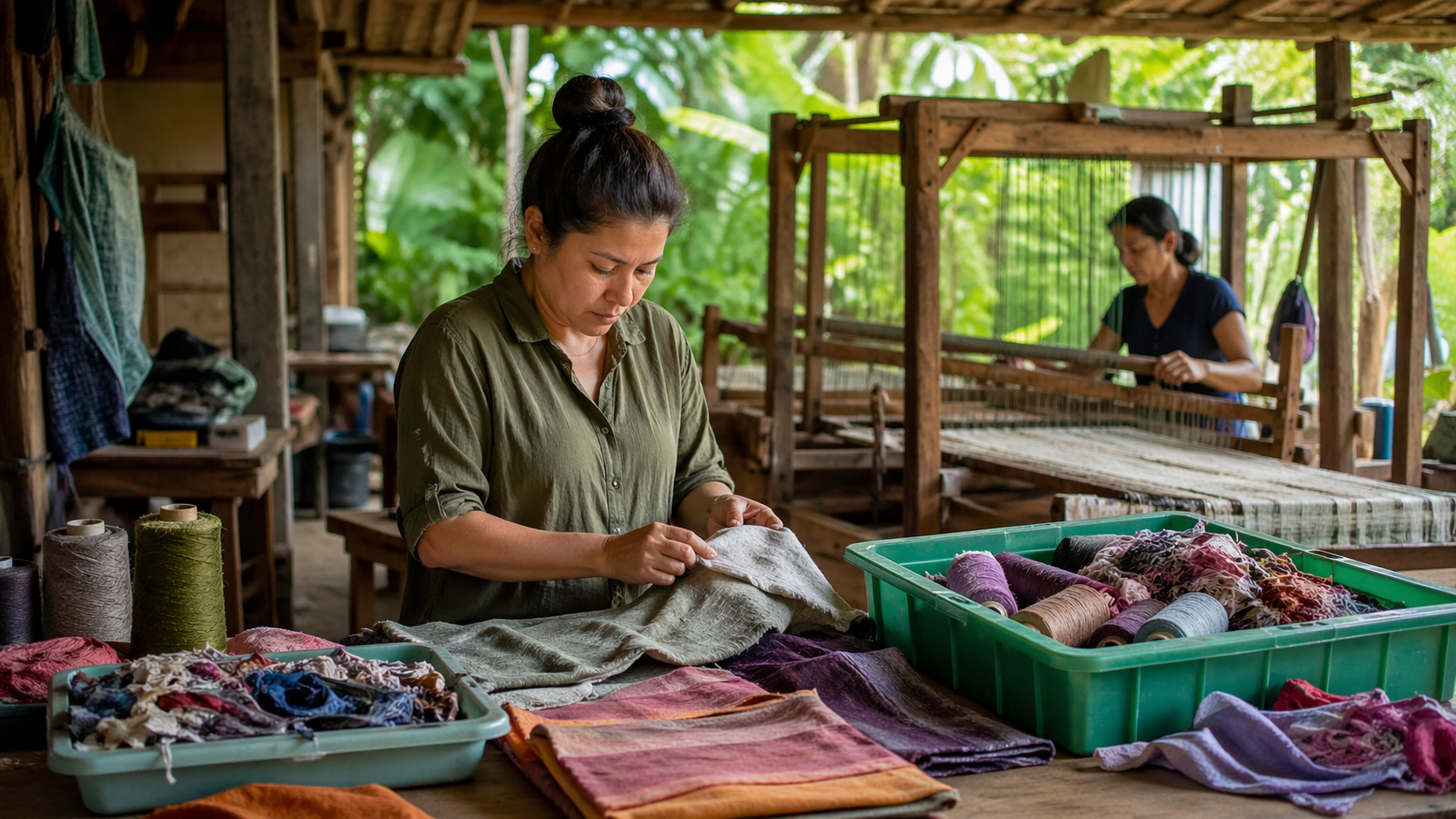

Circular Textile Economy in Costa Rica: Waste Valorization, Recycling Models, and Closed-Loop Production

Costa Rica’s textile sector is gradually transitioning from traditional linear production models toward circular systems that emphasize sustainability and resource efficiency. Historically, textile manufacturing has relied on a “take-make-dispose” approach, contributing to waste generation and environmental degradation. However, growing awareness of sustainability and global market pressures are encouraging the adoption of circular economy principles. A … Read more

Economic Mobility and Workforce Outcomes: How HBCUs Shape Career Pathways for Minority Graduates

Historically Black Colleges and Universities (HBCUs) have played a transformative role in expanding educational access and economic mobility for minority communities in the United States. Established during periods of segregation, these institutions continue to serve as critical pathways for students seeking upward mobility, professional success, and leadership opportunities. Their impact extends far beyond academics, shaping … Read more

Rules of Origin and Their Impact on Costa Rica’s Textile Export Competitiveness

Global trade in textiles depends heavily on regulatory frameworks that determine how goods qualify for preferential tariffs. Among these frameworks, the Rules of Origin play a critical role in shaping export competitiveness. For countries like Costa Rica, these rules influence market access, production strategies, and overall industry growth. Understanding how rules of origin function is … Read more

Value-Added Textile Production in Costa Rica: Moving from Basic Manufacturing to High-Performance Fabrics

Costa Rica’s textile industry is undergoing a significant transformation as it shifts from basic manufacturing toward high-value, performance-oriented production. Traditionally focused on labor-intensive processes and standard garments, the sector is now embracing innovation, specialization, and advanced materials to remain competitive in global markets. This transition reflects broader changes in global supply chains and increasing demand … Read more

Supply Chain Digitization and Resilience Strategies in Costa Rica’s Textile Industry

Costa Rica’s textile industry has evolved from a traditional manufacturing base into a more specialized and efficiency-driven sector. Facing global competition, fluctuating raw material costs, and supply disruptions, the industry increasingly relies on digital transformation to remain competitive. Supply chain digitization has emerged as a key enabler of resilience, transparency, and operational efficiency. As global … Read more

Inclusive Economic Growth Through Skill Modernization in Traditional Industries

Traditional industries such as textiles, agriculture, and handicrafts form the backbone of many economies, especially in developing regions. However, rapid technological advancements and shifting market demands have created a pressing need for skill modernization. Updating workforce capabilities is essential not only for productivity but also for ensuring inclusive economic growth that benefits all sections of … Read more

AI Governance and Ethical Accountability in Global Human Rights Frameworks

Artificial intelligence is rapidly reshaping societies, economies, and governance systems across the world. While AI offers significant benefits in efficiency and innovation, it also raises complex ethical concerns, particularly in relation to human rights. Issues such as surveillance, discrimination, and lack of transparency have prompted global discussions on how to regulate AI responsibly. AI governance … Read more

Corporate Accountability and Supply Chain Transparency in Global Human Rights Enforcement

In an increasingly globalized economy, corporations operate across complex supply chains that span multiple countries and regulatory systems. While this expansion creates economic opportunities, it also raises serious concerns about labor exploitation, environmental harm, and human rights violations. Ensuring accountability within these networks has become a critical global challenge. Corporate accountability and supply chain transparency … Read more

Workplace Diversity and Inclusion: Building Fair Opportunities for All

Workplace diversity and inclusion have become essential priorities for organizations seeking sustainable growth and social responsibility. In a globalized world, businesses interact with people from diverse cultural, social, and professional backgrounds. Embracing this diversity not only strengthens organizational culture but also drives innovation and better decision-making. Inclusion goes beyond representation—it ensures that every individual feels … Read more