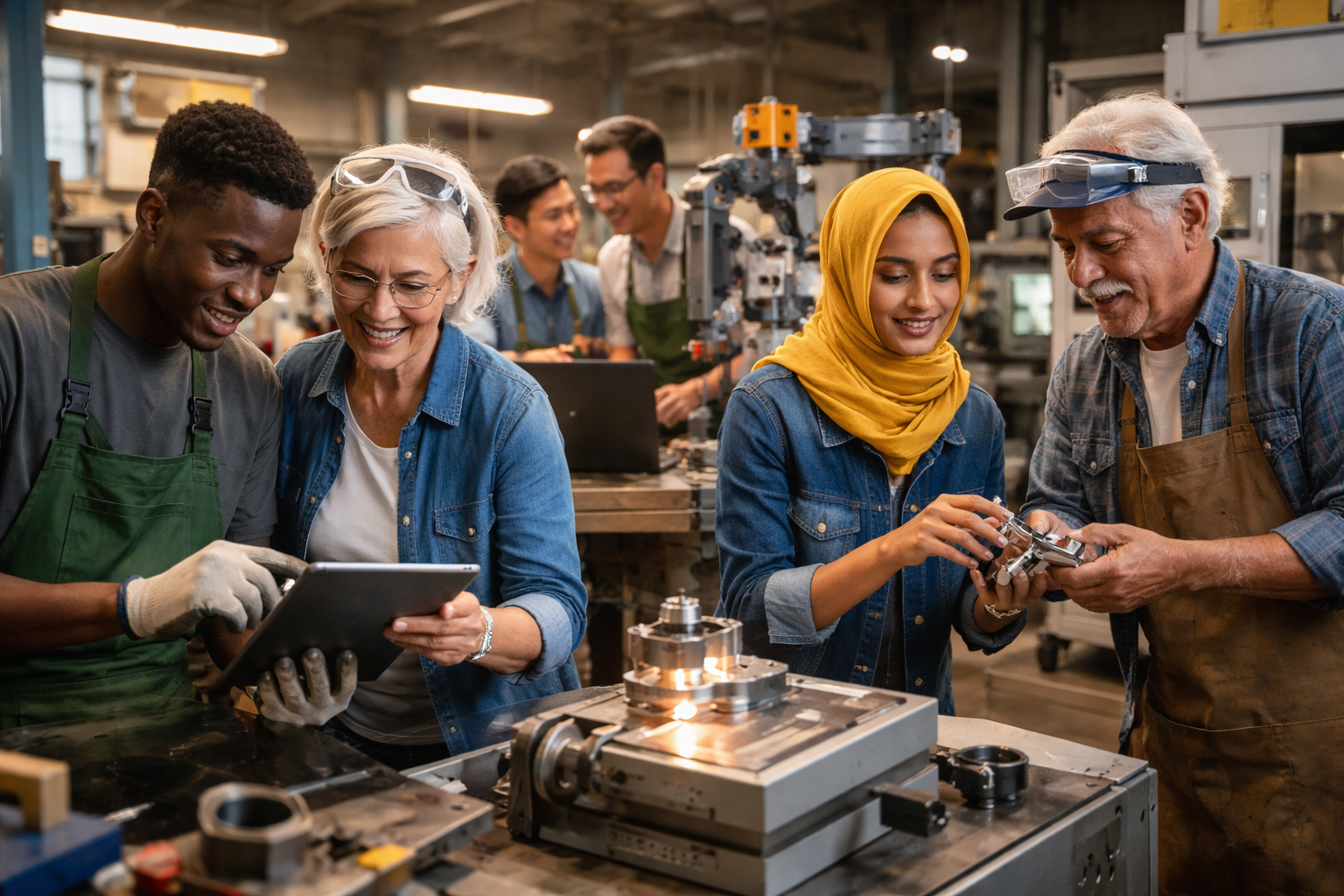
Traditional industries such as textiles, agriculture, and handicrafts form the backbone of many economies, especially in developing regions. However, rapid technological advancements and shifting market demands have created a pressing need for skill modernization. Updating workforce capabilities is essential not only for productivity but also for ensuring inclusive economic growth that benefits all sections of society.
Skill modernization bridges the gap between traditional practices and modern innovation. By equipping workers with new competencies while preserving core expertise, industries can remain competitive and sustainable. This transformation supports job creation, income stability, and broader economic inclusion.
Growth Context
Inclusive economic growth focuses on ensuring that the benefits of development are distributed equitably across society. In traditional industries, this means empowering workers with the skills needed to adapt to changing technologies and market conditions. Without modernization, these sectors risk stagnation and declining relevance.
Skill development initiatives play a crucial role in this process. Training programs, vocational education, and digital literacy efforts help workers transition into more productive roles. This not only improves individual livelihoods but also strengthens the overall economy.
Sector Overview
Skill Modernization Impact Table
| Aspect | Outcome |
|---|---|
| Workforce Skills | Improved efficiency and adaptability |
| Technology Adoption | Enhanced productivity and innovation |
| Income Levels | Increased earning potential |
| Employment Opportunities | Expansion of job roles |
| Market Competitiveness | Stronger industry positioning |
These outcomes demonstrate how skill modernization drives both economic and social progress. By focusing on workforce development, industries can achieve sustainable growth.
A comprehensive approach ensures that no group is left behind. Inclusivity remains a key factor in long-term success.
Key Drivers
- Technological Advancements
The introduction of digital tools and automation requires workers to develop new technical skills. Adapting to these changes is essential for maintaining productivity. - Global Market Demand
Changing consumer preferences and international competition push industries to improve quality and efficiency. Skilled workers are better equipped to meet these demands. - Government Initiatives
Policies and programs aimed at skill development provide resources and support for workforce training. These initiatives help bridge skill gaps. - Private Sector Involvement
Businesses invest in training programs to enhance employee capabilities. This collaboration accelerates skill modernization.
These drivers highlight the importance of a coordinated effort. Multiple stakeholders must work together to achieve meaningful progress.
Workforce Training
- Vocational Education
Training programs tailored to specific industries provide practical skills that can be applied immediately. This approach enhances employability. - Digital Literacy
Teaching basic digital skills enables workers to use modern tools and platforms effectively. This is particularly important in today’s technology-driven environment. - On-the-Job Training
Hands-on learning allows workers to adapt to new processes while maintaining productivity. It also ensures continuous skill development. - Lifelong Learning
Encouraging continuous education helps workers stay relevant in a rapidly changing economy.
Workforce training is the foundation of skill modernization. It ensures that workers can adapt to new challenges and opportunities.
Technology Integration
Integrating technology into traditional industries enhances efficiency and opens new possibilities. Digital tools, automation, and data analytics improve production processes and reduce costs. These advancements enable industries to compete in global markets.
However, successful integration requires proper training and support. Workers must understand how to use new technologies effectively. Without this, the benefits of innovation cannot be fully realized.
Balancing technology with traditional knowledge is also important. Preserving cultural practices while adopting modern tools creates a unique advantage for many industries.
Social Inclusion
Skill modernization contributes to social inclusion by providing opportunities for marginalized groups. Women, rural populations, and low-income workers can benefit from targeted training programs. These initiatives help reduce inequality and promote economic participation.
Inclusive policies ensure that all individuals have access to education and resources. This creates a more equitable workforce and strengthens community resilience.
Empowering diverse groups enhances innovation and productivity. Inclusion is not only a social goal but also an economic advantage.
Policy Support
Government policies play a vital role in supporting skill modernization. Investments in education, training infrastructure, and financial incentives encourage participation and growth. Public-private partnerships further enhance these efforts.
Regulatory frameworks ensure that training programs meet quality standards. This helps maintain consistency and effectiveness across different initiatives.
Policy support also addresses barriers such as access to education and funding. Removing these obstacles enables more individuals to benefit from skill development programs.
Future Potential
The future of traditional industries depends on their ability to adapt and innovate. Skill modernization will continue to play a central role in this transformation. As technologies evolve, new opportunities will emerge for growth and development.
Sustainable practices and digital integration are expected to drive future advancements. Industries that embrace these changes will be better positioned for long-term success.
Continued investment in skills and education ensures that workers remain competitive. This creates a foundation for ongoing economic growth and resilience.
Final Analysis
Inclusive economic growth through skill modernization is essential for the sustainability of traditional industries. By equipping workers with modern skills while preserving valuable expertise, economies can achieve balanced and equitable development.
Collaboration between governments, businesses, and communities is key to success. With the right strategies and support, skill modernization can transform traditional industries into dynamic contributors to global economic progress.