Costa Rica’s textile sector is increasingly aligning with global sustainability goals by adopting green manufacturing technologies. Environmental concerns such as water scarcity, chemical pollution, and carbon emissions have pushed manufacturers to rethink traditional production methods. As international buyers demand eco-friendly practices, the shift toward sustainable manufacturing is becoming both an environmental necessity and a competitive advantage.
Green manufacturing in textiles focuses on minimizing resource consumption while maintaining product quality and efficiency. In Costa Rica, this transformation is supported by environmental policies, innovation, and growing awareness among industry stakeholders. By integrating water efficiency, clean dyeing, and low-carbon production, the sector is moving toward a more sustainable and responsible future.
Technology Snapshot
Key Green Innovations
| Technology | Description | Environmental Benefit |
|---|---|---|
| Water Efficiency | Reduced water usage in processing | Conservation of resources |
| Clean Dyeing | Low-impact dyeing techniques | Reduced pollution |
| Low-Carbon Systems | Energy-efficient production methods | Lower emissions |
| Waste Treatment | Advanced effluent management | Cleaner ecosystems |
These technologies form the backbone of sustainable textile manufacturing. By addressing key environmental challenges, they enable companies to reduce their ecological footprint while maintaining operational efficiency. The integration of these innovations supports both environmental protection and economic growth.
Adopting green technologies also enhances compliance with international standards. As sustainability becomes a critical factor in global trade, Costa Rican manufacturers can strengthen their market position by demonstrating environmental responsibility.
Water Efficiency
- Closed-loop water systems reduce consumption
- Advanced filtration enables water reuse
- Smart monitoring optimizes usage
- Low-liquor ratio machines minimize waste
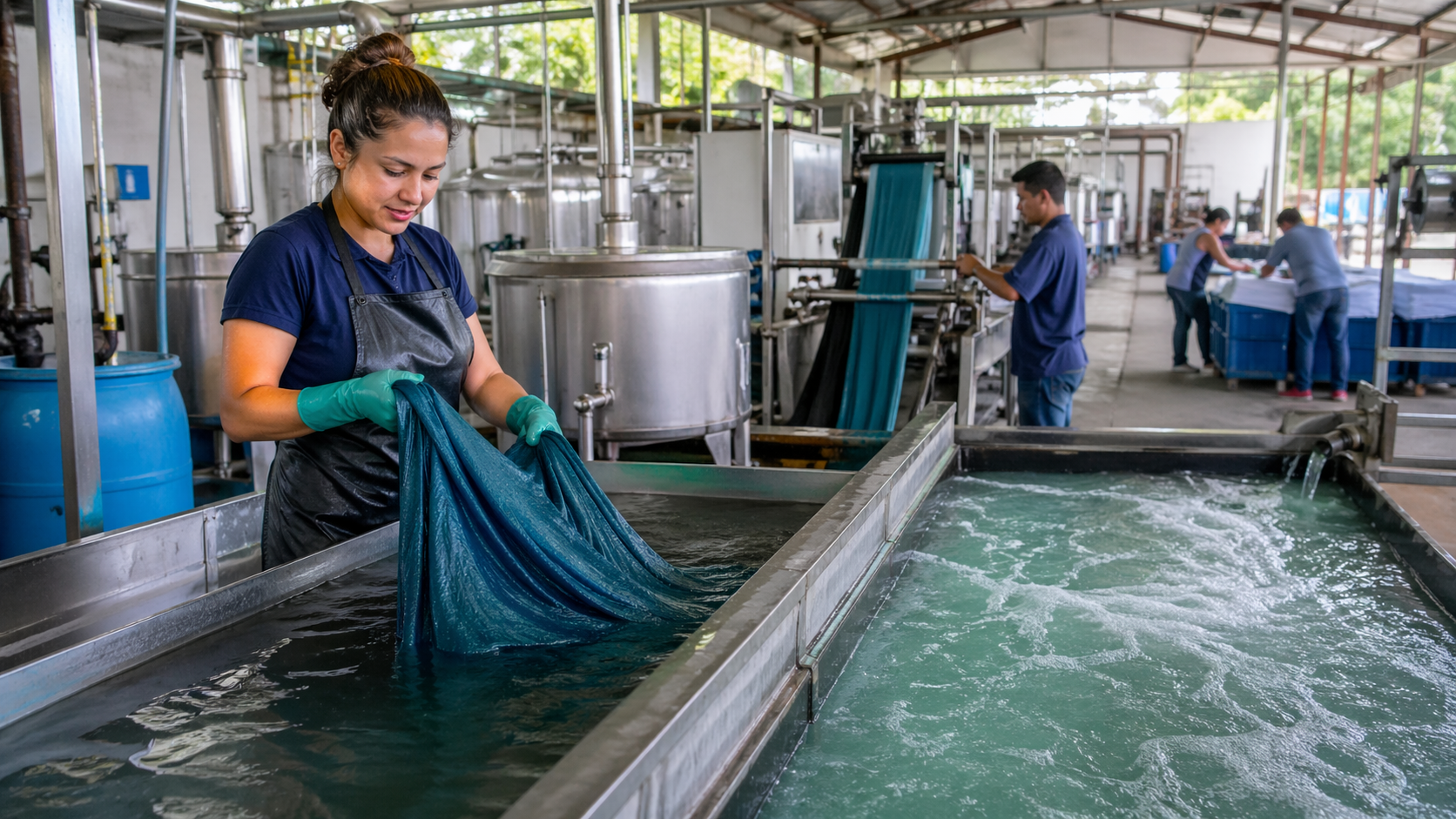
Water efficiency is a critical aspect of sustainable textile production, as traditional processes are highly water-intensive. In Costa Rica, manufacturers are adopting technologies that reduce water consumption and improve recycling. Closed-loop systems allow water to be reused multiple times, significantly lowering overall usage.
Smart monitoring systems provide real-time data on water consumption, enabling better management and optimization. These innovations not only conserve resources but also reduce operational costs, making water efficiency both an environmental and economic priority.
Clean Dyeing
- Use of non-toxic and biodegradable dyes
- Digital printing reduces chemical usage
- Enzymatic processes replace harsh chemicals
- Precision dyeing minimizes waste
Clean dyeing technologies address one of the most polluting stages of textile manufacturing. Traditional dyeing processes often involve harmful chemicals and generate significant wastewater. In response, Costa Rican manufacturers are adopting eco-friendly alternatives that reduce environmental impact.
Techniques such as digital printing and enzymatic treatments offer more precise and less harmful methods of coloring textiles. These approaches minimize chemical use and improve efficiency, contributing to cleaner production processes and healthier ecosystems.
Low Carbon
Low-carbon production focuses on reducing greenhouse gas emissions through energy-efficient technologies and renewable energy sources. Costa Rica’s strong commitment to renewable energy provides a solid foundation for implementing low-carbon manufacturing practices in the textile sector.
Energy-efficient machinery and process optimization further reduce emissions. By integrating renewable energy with advanced technologies, manufacturers can significantly lower their carbon footprint. This approach aligns with global climate goals and enhances the sustainability profile of the industry.
Waste Management
- Effluent treatment systems reduce pollution
- Solid waste recycling supports circularity
- Sludge management minimizes environmental impact
- Zero-waste initiatives promote sustainability
Effective waste management is essential for minimizing the environmental impact of textile production. Advanced treatment systems ensure that wastewater is cleaned before being released, protecting local ecosystems. Solid waste recycling further supports the transition to a circular economy.
Zero-waste initiatives aim to eliminate waste by redesigning processes and materials. These efforts not only reduce environmental harm but also improve efficiency and resource utilization. Waste management is a key component of green manufacturing.
Economic Benefits
- Reduced operational costs through efficiency
- Increased competitiveness in global markets
- Access to eco-conscious consumers
- Compliance with international regulations
Green manufacturing technologies offer significant economic advantages for Costa Rica’s textile sector. By reducing resource consumption and waste, companies can lower costs and improve profitability. These efficiencies contribute to long-term financial sustainability.
Sustainability also enhances market competitiveness. As consumers and buyers prioritize eco-friendly products, manufacturers that adopt green technologies can access new markets and strengthen their brand reputation. This creates opportunities for growth and innovation.
Implementation Challenges
- High initial investment costs
- Need for skilled workforce
- Limited access to advanced technologies
- Resistance to change within the industry
Despite the benefits, implementing green technologies can be challenging. The high cost of new equipment and infrastructure may deter some manufacturers. Additionally, the transition requires skilled workers who can operate and maintain advanced systems.
Overcoming these challenges requires support from both the public and private sectors. Training programs, financial incentives, and awareness initiatives can help accelerate adoption. Addressing these barriers is essential for achieving widespread sustainability.
Policy Support
- Government incentives encourage adoption
- Environmental regulations promote compliance
- Partnerships drive innovation
- International agreements influence standards
Policy support plays a crucial role in advancing green manufacturing. Government initiatives can provide financial incentives and regulatory frameworks that encourage sustainable practices. In Costa Rica, environmental policies are a key driver of innovation in the textile sector.
Collaboration between government, industry, and research institutions further enhances progress. By aligning policies with industry needs, Costa Rica can create an environment that supports sustainable growth and technological advancement.
Closing Perspectives
Green manufacturing technologies are transforming Costa Rica’s textile sector by promoting sustainability, efficiency, and innovation. Water efficiency, clean dyeing, and low-carbon production are key pillars of this transformation, enabling the industry to reduce its environmental impact while maintaining competitiveness.
The future of the textile sector depends on continued investment in technology, collaboration, and policy support. By embracing green manufacturing, Costa Rica can position itself as a leader in sustainable textile production, contributing to both economic development and environmental preservation.