Costa Rica’s textile industry is evolving rapidly as global demand shifts toward sustainability, innovation, and high-quality production. To remain competitive, the sector must invest heavily in workforce development. Skilled labor is no longer limited to traditional manufacturing roles; it now includes expertise in digital design, sustainable materials, and advanced production technologies.
Developing a future-ready workforce requires collaboration between industry, education, and government. Training programs, skill development initiatives, and continuous learning opportunities are essential to equip workers with the knowledge needed for modern textile operations. This article explores how workforce development is shaping the future of Costa Rica’s textile sector.
Workforce Overview
Textile Workforce Development Summary
| Aspect | Details |
|---|---|
| Focus | Skills development and workforce readiness |
| Key Areas | Technical skills, digital tools, sustainability knowledge |
| Main Goal | Build a competitive and adaptable workforce |
| Drivers | Industry demand, innovation, global competition |
| Outcome | Skilled labor supporting sector growth |
Workforce development in Costa Rica’s textile industry focuses on aligning skills with emerging trends. As production processes become more advanced, workers must adapt to new technologies and methodologies.
This shift requires a proactive approach. Companies and institutions must invest in training programs that prepare employees for both current and future industry demands.
Skill Requirements
- Technical Expertise
Knowledge of textile production processes, machinery, and quality control. - Digital Competence
Skills in design software, automation systems, and data analysis. - Sustainability Awareness
Understanding eco-friendly materials and sustainable production methods. - Problem-Solving Skills
Ability to adapt to challenges and improve processes.
Modern textile jobs require a combination of traditional and advanced skills. Workers must be able to operate complex machinery while also understanding digital tools.
This blend of skills ensures efficiency, innovation, and adaptability. It also prepares the workforce to meet evolving industry standards.
Training Programs
- Vocational Education
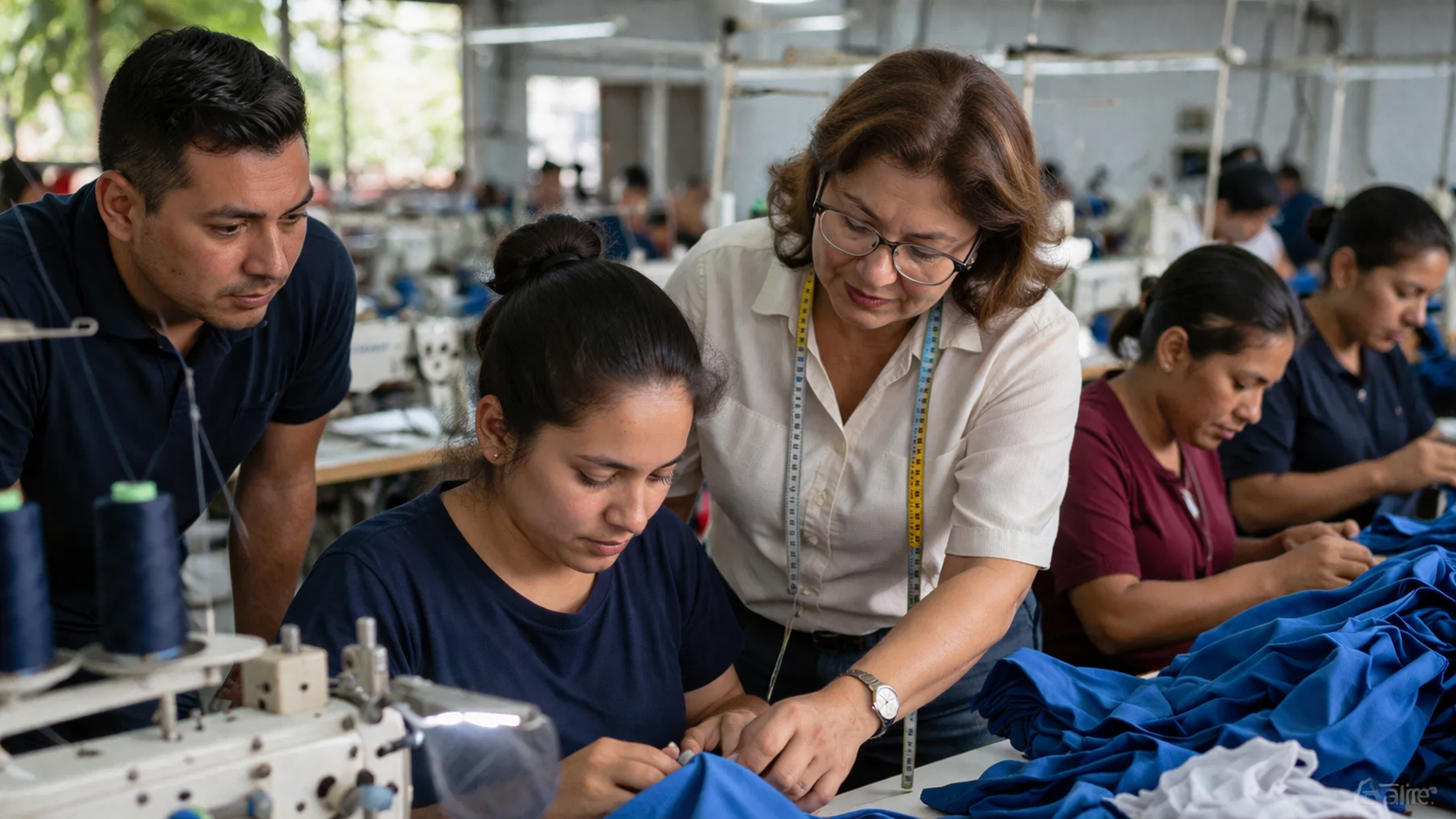
Technical institutes provide hands-on training in textile manufacturing. - On-the-Job Training
Companies offer practical learning opportunities for employees. - Certification Courses
Specialized programs validate skills and improve employability. - Continuous Learning
Ongoing education keeps workers updated with industry trends.
Training programs play a critical role in workforce development. They bridge the gap between education and industry requirements.
By offering diverse learning opportunities, Costa Rica ensures that workers can continuously improve their skills and remain competitive.
Industry Collaboration
Collaboration between industry stakeholders is essential for effective workforce development. Partnerships between companies, educational institutions, and government agencies help align training programs with real-world needs.
These collaborations enable the sharing of resources, expertise, and best practices. They also ensure that training initiatives remain relevant and impactful.
A coordinated approach strengthens the overall ecosystem, making the textile industry more resilient and adaptable.
Technology Integration
- Automation Systems
Training workers to operate and maintain automated machinery. - Digital Design Tools
استخدام برامج التصميم لتطوير منتجات مبتكرة. - Data Analytics
Leveraging data to improve production efficiency. - Smart Manufacturing
Integrating advanced technologies into production processes.
Technology integration is transforming the textile industry. Workers must be equipped with the skills to use these tools effectively.
Training programs that focus on technology ensure that employees can adapt to modern production environments and contribute to innovation.
Challenges Faced
Workforce development in Costa Rica’s textile sector faces several challenges. Limited access to advanced training facilities and resources can hinder skill development. Additionally, rapid technological changes require continuous updates to training programs.
Another challenge is attracting young talent to the textile industry. Many perceive it as traditional rather than innovative, which can affect workforce growth.
Addressing these challenges requires strategic planning, investment, and awareness campaigns to highlight the industry’s potential.
Career Opportunities
- Production Specialists
Roles in manufacturing and quality control. - Design Professionals
Careers in textile and fashion design. - Sustainability Experts
Positions focused on eco-friendly practices. - Technology Specialists
Jobs involving automation and digital systems.
The evolving textile industry offers diverse career opportunities. From traditional roles to advanced technical positions, the sector provides pathways for growth and development.
These opportunities attract a wide range of talent, contributing to a dynamic and innovative workforce.
Future Readiness
Preparing for the future requires a forward-looking approach to workforce development. Emphasis on innovation, sustainability, and digital transformation will shape the skills needed in the coming years.
Educational institutions and companies must anticipate these changes and adapt their training programs accordingly. This ensures that workers remain relevant and competitive in a global market.
Future readiness also involves fostering a culture of continuous learning and adaptability. This mindset is essential for long-term success.
Economic Impact
A well-developed workforce contributes significantly to the growth of Costa Rica’s textile industry. Skilled workers enhance productivity, improve quality, and drive innovation.
This, in turn, attracts investment and strengthens the country’s position in the global market. Workforce development also supports economic stability by creating employment opportunities.
The benefits extend beyond the textile sector, influencing the broader economy and promoting sustainable growth.
Final Analysis
Workforce development is a cornerstone of Costa Rica’s textile industry transformation. By focusing on skills, training, and future readiness, the sector can remain competitive in a rapidly changing global environment.
Through collaboration, innovation, and continuous learning, Costa Rica is building a workforce capable of meeting modern challenges. This strategic approach ensures long-term growth and sustainability for the textile industry.