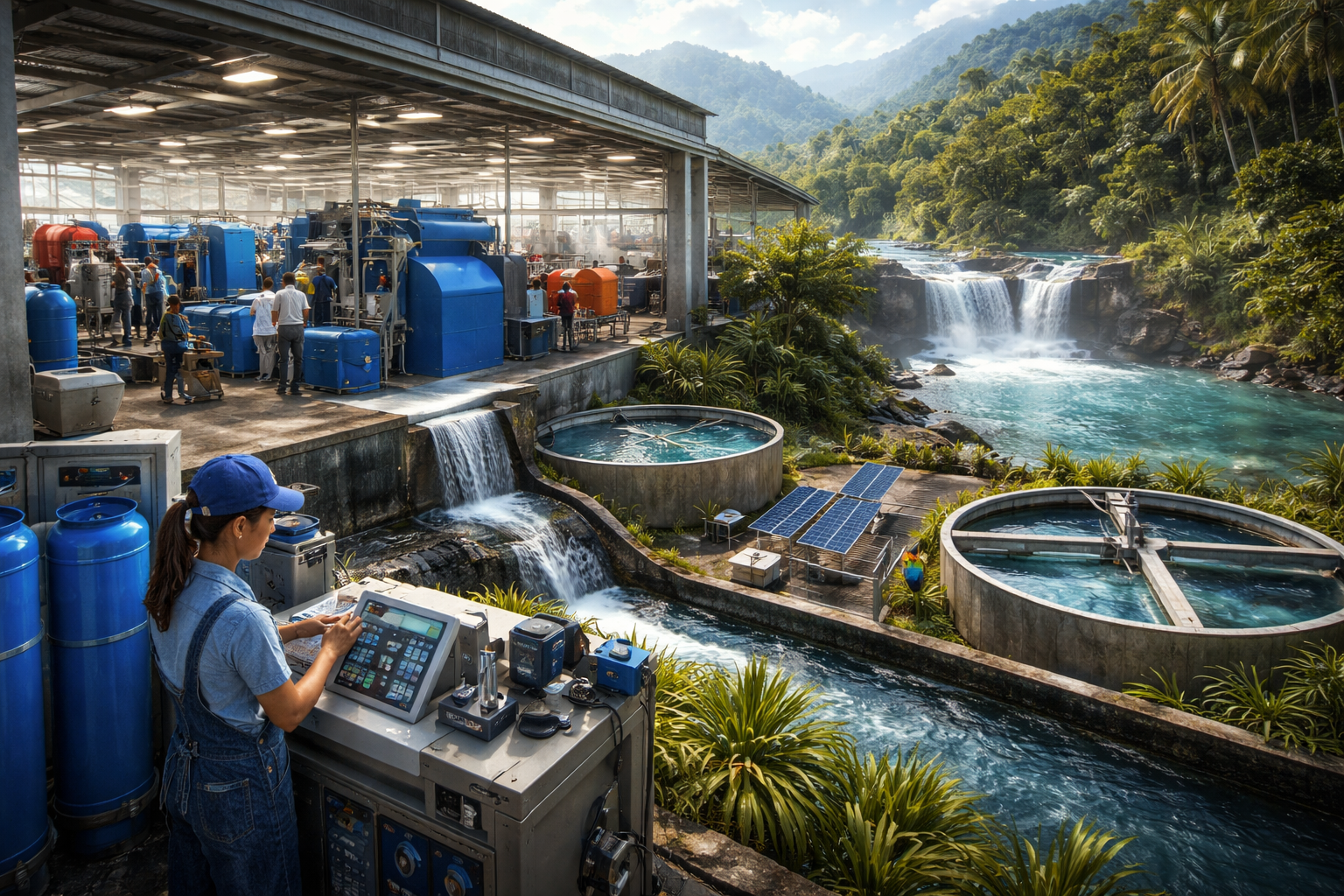
Water is a critical resource in textile manufacturing, used extensively in processes such as dyeing, washing, and finishing. In Costa Rica, the textile industry faces increasing pressure to manage water resources efficiently due to environmental concerns, regulatory standards, and global sustainability expectations. As water scarcity and pollution risks grow, effective water management has become a top priority for manufacturers.
Costa Rica’s strong environmental commitment has encouraged the textile sector to adopt innovative solutions that reduce water consumption and minimize waste. By combining sustainable practices with advanced technologies, the industry is working toward a more efficient and environmentally responsible future.
Water Overview
Overview of Water Management in Textile Manufacturing
| Aspect | Details |
|---|---|
| Core Issue | High water usage and wastewater generation |
| Key Processes | Dyeing, washing, finishing |
| Major Challenges | Pollution, scarcity, and regulatory compliance |
| Innovative Focus | Recycling, treatment, and efficient technologies |
| Industry Goal | Sustainable and responsible water use |
Water-intensive processes make the textile industry one of the largest consumers of industrial water. Managing this resource efficiently is essential to reducing environmental impact and ensuring long-term sustainability.
Understanding the water lifecycle within manufacturing processes helps identify areas for improvement. This includes sourcing, usage, treatment, and disposal, all of which play a role in overall efficiency.
Key Challenges
Water management in textile manufacturing presents several challenges that require strategic solutions. High consumption levels can strain local water resources, especially during periods of limited supply. Additionally, wastewater generated during production often contains chemicals and dyes that can harm ecosystems if not treated properly.
Regulatory compliance adds another layer of complexity. Manufacturers must adhere to strict environmental standards, which may require significant investment in infrastructure and technology. Balancing operational efficiency with environmental responsibility remains a key challenge for the industry.
Pollution Sources
- Chemical Dyes
Release of toxic substances into wastewater. - Processing Agents
Use of detergents and finishing chemicals. - Microfibers
Small particles enter water systems during washing. - Untreated Discharge
Inadequate treatment leading to environmental contamination.
Identifying pollution sources is the first step toward effective water management. Addressing these issues helps reduce environmental damage and improve sustainability outcomes.
Innovation Solutions
- Water Recycling Systems
Reusing treated water within production cycles. - Closed-Loop Processes
Minimizing water loss by circulating water continuously. - Low-Water Dyeing
Technologies that significantly reduce water usage. - Advanced Filtration
Removing contaminants from wastewater efficiently.
Innovations in water management are transforming textile manufacturing. These solutions not only reduce environmental impact but also improve operational efficiency and cost-effectiveness.
Technology Role
Technology plays a vital role in enabling sustainable water management. Sensors and monitoring systems provide real-time data on water usage and quality, allowing manufacturers to optimize processes.
Automation further enhances efficiency by reducing human error and ensuring consistent performance. The integration of digital tools helps companies track water consumption and identify opportunities for improvement.
Regulatory Framework
Costa Rica’s environmental regulations encourage responsible water management practices. Compliance with these standards ensures that manufacturers operate sustainably and minimize their impact on natural resources.
Government policies and incentives also support the adoption of innovative technologies. By aligning industry practices with national environmental goals, Costa Rica promotes sustainable development within the textile sector.
Sustainable Practices
- Process Optimization
Reducing water use through efficient production methods. - Eco-Friendly Chemicals
Using biodegradable and less harmful substances. - Employee Training
Educating workers on water conservation techniques. - Community Engagement
Collaborating with local communities on resource management.
Sustainable practices complement technological innovations, creating a holistic approach to water management. These efforts contribute to long-term environmental and economic benefits.
Economic Impact
Efficient water management can lead to significant cost savings for textile manufacturers. Reduced water consumption lowers utility expenses, while recycling systems decrease the need for fresh water sourcing.
Investments in sustainable technologies may require initial capital, but they often result in long-term financial benefits. Companies that adopt these practices also gain a competitive advantage in global markets that prioritize sustainability.
The Way Forward
Water management is a critical challenge for Costa Rica’s textile manufacturing sector, but it also presents opportunities for innovation and growth. By adopting advanced technologies, improving practices, and adhering to regulatory standards, the industry can significantly reduce its environmental impact.
A sustainable approach to water use not only benefits the environment but also enhances economic resilience. As Costa Rica continues to lead in environmental stewardship, its textile industry can serve as a model for responsible water management worldwide.