Sustainability has become a defining force in the global textile industry, pushing countries to rethink how fabrics are produced, used, and recycled. Costa Rica has emerged as a noteworthy example, integrating environmental responsibility with industrial innovation. Known for its strong environmental policies, the country is applying similar principles to its textile sector.
From eco-friendly fibers to circular production systems, Costa Rica is redefining textile manufacturing. By combining technology, sustainable materials, and policy support, the nation is creating a model that balances economic growth with environmental protection. This transformation reflects a broader shift toward greener industrial practices worldwide.
Innovation Overview
Understanding sustainable textile innovation requires examining its key components and their roles. The table below summarizes the major elements driving change in Costa Rica’s textile sector.
Sustainable Textile Summary
| Element | Description |
|---|---|
| Eco Fibers | Use of natural and recycled materials |
| Circular Models | Recycling and reusing textile waste |
| Green Technology | Energy-efficient production processes |
| Policy Support | Government regulations promoting sustainability |
| Market Demand | Growing preference for eco-friendly products |
These elements work together to create a comprehensive sustainability framework. By focusing on both materials and processes, Costa Rica ensures that innovation is integrated across the entire textile lifecycle.
This approach not only reduces environmental impact but also enhances the competitiveness of the textile industry. Sustainable practices are increasingly becoming a key differentiator in global markets.
Eco Fibers
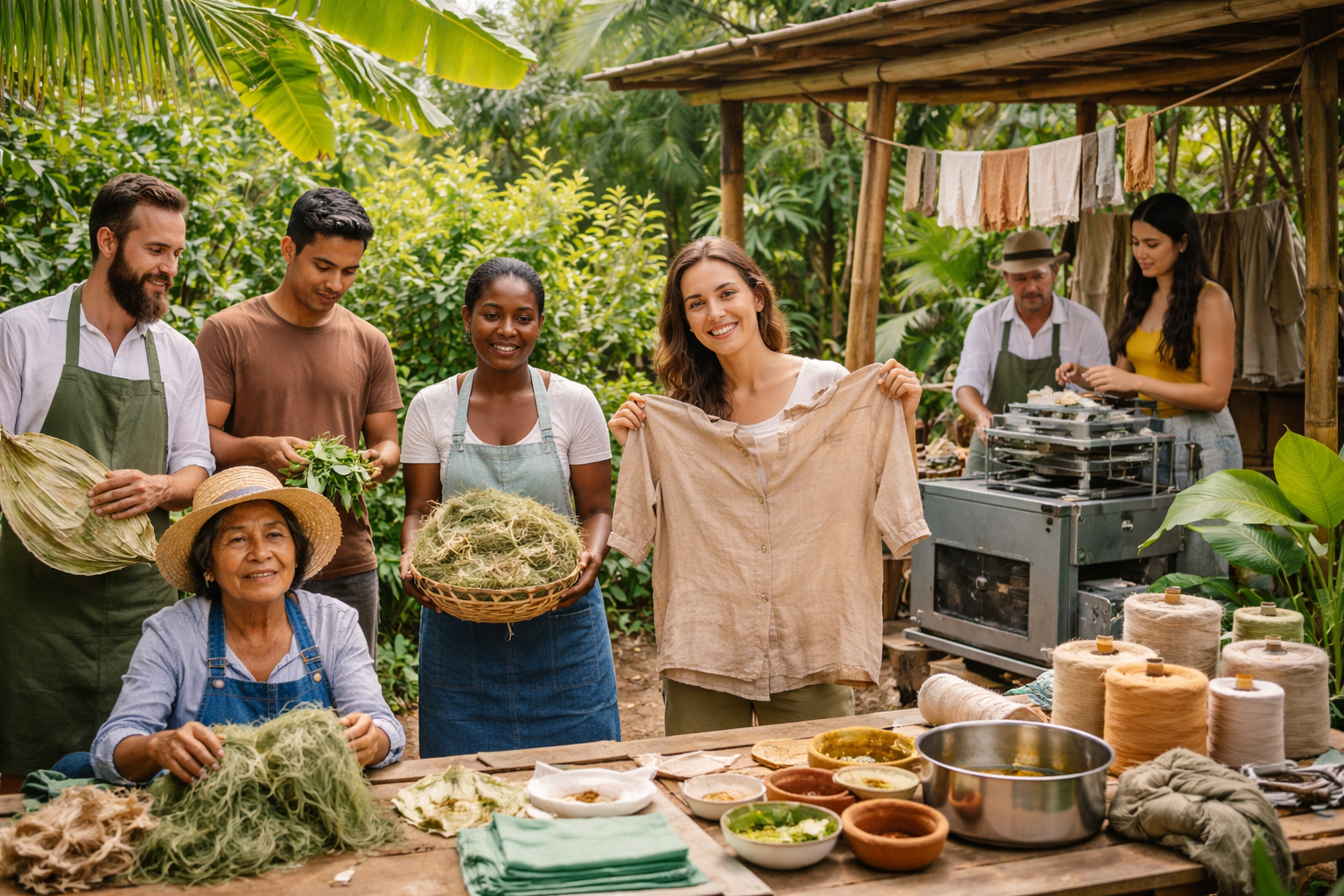
Eco-friendly fibers are at the heart of sustainable textile innovation. Costa Rica is investing in materials such as organic cotton, bamboo fibers, and recycled polyester, which reduce reliance on harmful chemicals and non-renewable resources.
These fibers also support biodiversity and reduce water consumption. By adopting eco fibers, manufacturers can produce high-quality textiles while minimizing environmental damage.
Circular Production
- Recycling Systems
Textile waste is collected and processed into new materials. - Upcycling Methods
Old fabrics are transformed into higher-value products. - Closed Loop
Production systems aim to eliminate waste. - Resource Efficiency
Maximizing the use of raw materials reduces costs.
Circular production models focus on extending the lifecycle of textiles. This reduces landfill waste and promotes a more sustainable consumption pattern.
Green Technology
Technological advancements play a significant role in sustainable textile production. Energy-efficient machinery, water-saving dyeing techniques, and digital manufacturing processes help reduce environmental impact.
These innovations also improve productivity and cost efficiency. By integrating green technology, Costa Rica is modernizing its textile industry while maintaining sustainability goals.
Policy Framework
Government policies in Costa Rica strongly support environmental sustainability. Regulations encourage the use of eco-friendly materials and promote responsible waste management.
Incentives such as tax benefits and funding programs further drive innovation. This policy framework creates a favorable environment for sustainable textile development.
Market Trends
- Consumer Awareness
Growing demand for sustainable products influences production. - Global Standards
Compliance with international eco-certifications boosts credibility. - Brand Responsibility
Companies adopt sustainable practices to enhance their reputation. - Export Opportunities
Eco-friendly textiles attract international buyers.
Market trends highlight the increasing importance of sustainability in consumer choices. Businesses that align with these trends gain a competitive advantage in global markets.
Industry Challenges
Despite progress, the textile industry in Costa Rica faces challenges such as high production costs, limited access to advanced technology, and competition from low-cost producers.
Addressing these challenges requires investment in research, infrastructure, and workforce development. Overcoming these barriers is essential for sustaining long-term growth.
Community Impact
Sustainable textile innovation also benefits local communities. It creates employment opportunities, supports small-scale producers, and promotes ethical labor practices.
Community involvement ensures that economic benefits are distributed more equitably. This contributes to social sustainability alongside environmental goals.
Future Outlook
- Advanced Materials
Development of biodegradable and smart textiles. - Automation Growth
Increased use of AI and robotics in production. - Global Partnerships
Collaboration with international organizations. - Sustainability Expansion
Broader adoption of eco-friendly practices.
The future of Costa Rica’s textile industry lies in continuous innovation. Emerging technologies and global collaboration will further strengthen its position as a leader in sustainable manufacturing.
Closing Perspectives
Sustainable textile innovation in Costa Rica demonstrates how environmental responsibility and industrial growth can coexist. By focusing on eco-fibers, circular production, and supportive policies, the country is setting an example for the global textile industry.
As sustainability becomes increasingly important, Costa Rica’s approach offers valuable insights for other nations. Continued investment and innovation will be key to maintaining progress and achieving long-term success.