
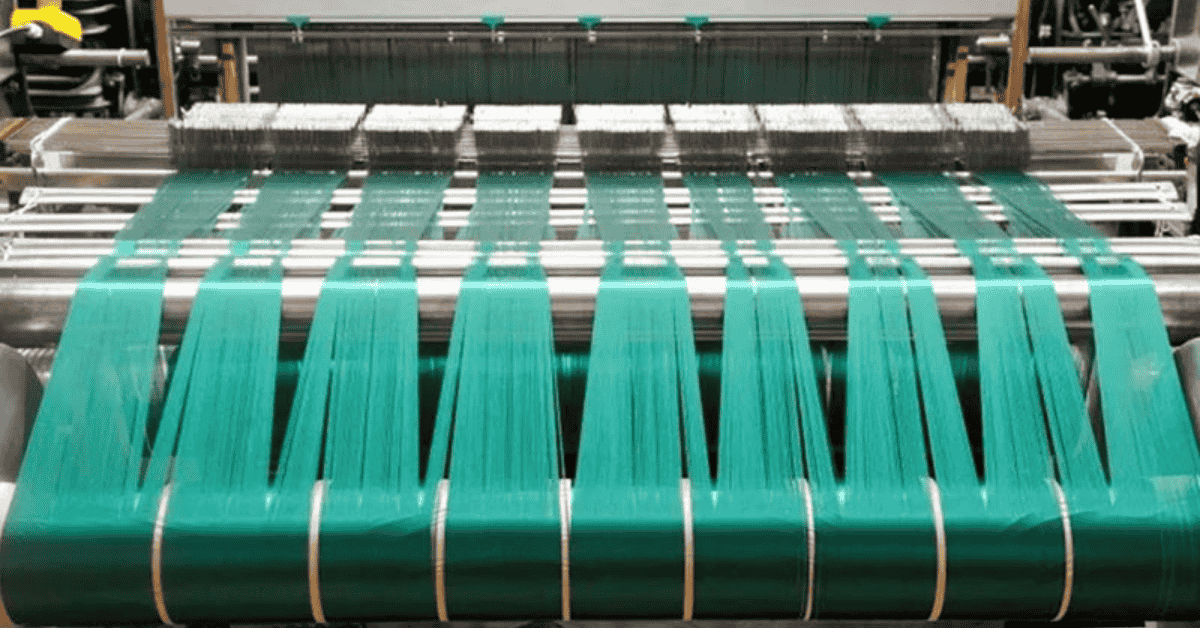
The global textile industry is undergoing a significant transformation driven by technological innovation, sustainability demands, and evolving workforce requirements. As one of the largest employment-generating sectors, it plays a crucial role in economic development across both developed and emerging economies. Modern advancements are reshaping production methods, supply chains, and skill development strategies.
With increasing global competition, textile companies are investing in innovation and workforce training to remain competitive. The integration of technology and human expertise is enabling the industry to achieve higher efficiency, improved quality, and sustainable growth.
Industry Overview
The textile industry encompasses the production of fibers, fabrics, and finished garments. Growth in this sector is influenced by technological progress, market demand, and workforce capabilities.
Textile Industry Snapshot
| Aspect | Details |
|---|---|
| Core Sector | Textile manufacturing and production |
| Key Drivers | Technology, sustainability, labor skills |
| Major Outputs | Fabrics, garments, industrial textiles |
| Workforce Role | Skilled and semi-skilled labor |
| Growth Focus | Innovation and training |
This evolving landscape requires industries to adopt modern practices while investing in human capital for long-term success.
Tech Innovations
- Automation in spinning and weaving processes
- Use of Artificial Intelligence for quality control
- Smart textiles with embedded sensors
- Digital printing and design technologies
- Integration of Internet of Things (IoT) in production
Technological innovation is revolutionizing textile manufacturing. Automation and AI improve efficiency, reduce waste, and enhance product quality.
Smart textiles are emerging as a key trend. These fabrics offer advanced functionalities, expanding applications in healthcare, sports, and fashion.
Sustainable Practices
- Adoption of eco-friendly materials
- Water and energy conservation techniques
- Recycling and circular production models
- Reduction of chemical usage
- Development of biodegradable textiles
Sustainability is becoming a central focus in the textile industry. Companies are adopting practices that minimize environmental impact and promote responsible production.
These efforts not only benefit the environment but also enhance brand reputation. Consumers increasingly prefer sustainable products, driving industry change.
Workforce Training
- Skill development programs for modern machinery
- Training in digital tools and software
- Upskilling for automation and advanced technologies
- Safety and compliance training
- Continuous learning initiatives
Workforce training is essential for adapting to technological changes. Employees must acquire new skills to operate advanced machinery and systems effectively.
Training programs improve productivity and job satisfaction. They also ensure that workers remain relevant in a rapidly evolving industry.
Global Expansion
The textile industry is expanding globally, with production shifting to regions offering cost advantages and skilled labor. Emerging markets are playing a significant role in this growth.
Globalization enables companies to access new markets and resources. It also creates opportunities for collaboration and knowledge exchange.
Digital Transformation
- Implementation of digital supply chain management
- Use of data analytics for demand forecasting
- E-commerce integration for global reach
- Virtual design and prototyping
- Real-time production monitoring
Digital transformation is reshaping how textile businesses operate. Data-driven decision-making improves efficiency and responsiveness to market trends.
These technologies enhance transparency and reduce operational risks. They also enable faster adaptation to changing consumer demands.
Employment Impact
Innovation in the textile industry влияет employment patterns. While automation may reduce certain manual jobs, it creates new opportunities in technical and managerial roles.
Workforce adaptation is key to managing this transition. Training and education help workers move into higher-skilled positions, ensuring inclusive growth.
Final Analysis
Innovations in the textile industry are driving growth, efficiency, and sustainability worldwide. By embracing technology and investing in workforce training, the sector is evolving to meet modern challenges.
The future of the textile industry depends on balancing automation with human expertise. With continuous innovation and skill development, it can achieve sustainable growth and global competitiveness.