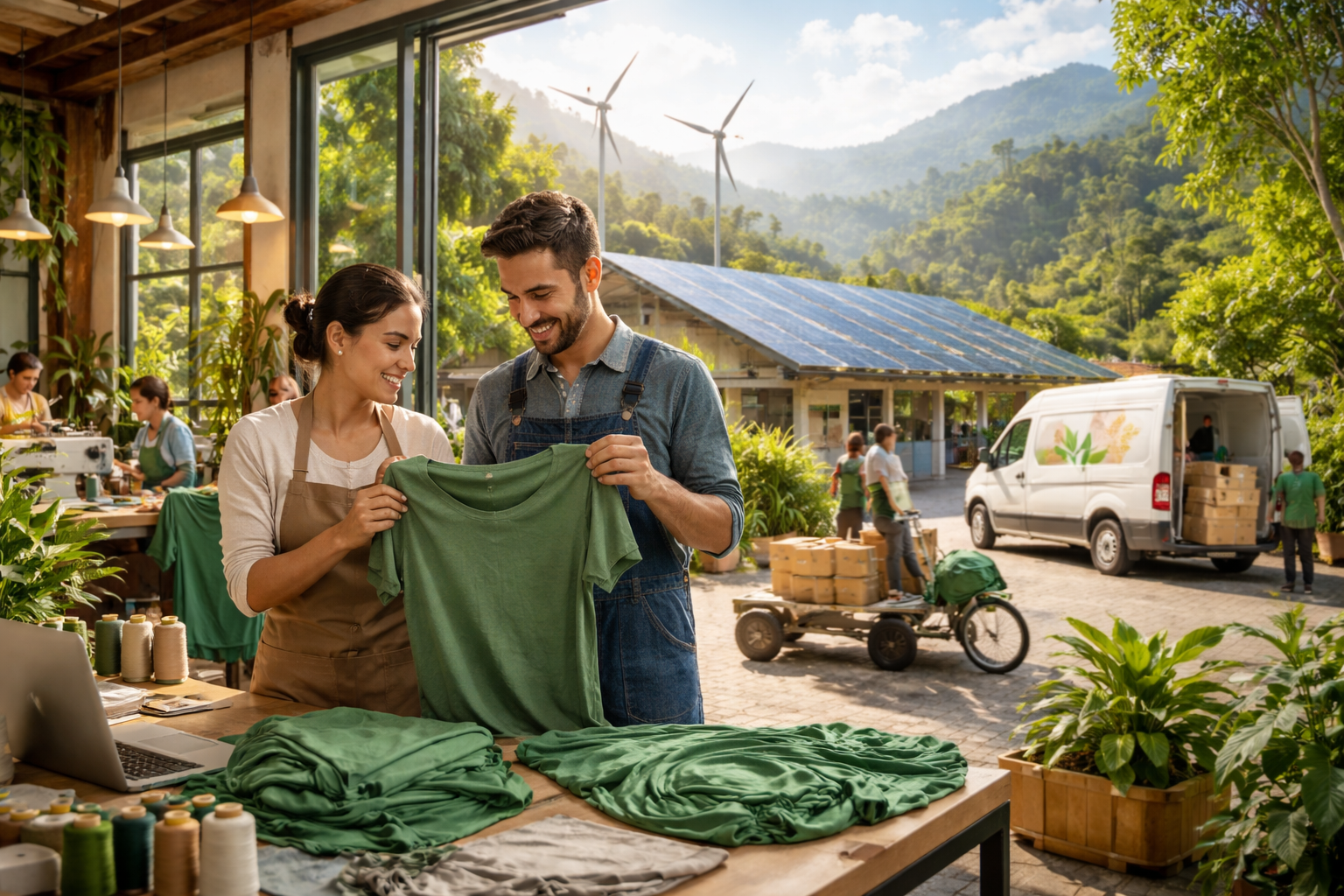
Costa Rica’s textile industry is increasingly embracing eco‑innovation to align with global sustainability trends and reduce environmental impact. Renewable energy adoption and low‑impact logistics are at the forefront of this transformation, helping manufacturers minimize carbon footprints while maintaining efficiency. By integrating sustainable practices across the supply chain, Costa Rican textile producers are enhancing their competitiveness in international markets and appealing to eco‑conscious consumers.
The shift toward eco‑innovation is driven not only by environmental responsibility but also by economic incentives, regulatory pressures, and consumer demand. Companies investing in green technologies benefit from cost savings, enhanced brand reputation, and long-term resilience.
Innovation Overview
Eco‑innovation in textiles encompasses renewable energy usage, sustainable material sourcing, and low‑impact transportation strategies. This approach seeks to reduce energy consumption, emissions, and waste throughout the supply chain.
Eco‑Innovation Overview Table
| Aspect | Details |
|---|---|
| Focus Areas | Renewable energy, green logistics |
| Key Benefits | Manufacturing, transportation, and warehousing |
| Targeted Processes | Manufacturing, transportation, warehousing |
| Industry Impact | Improves global competitiveness |
| Consumer Appeal | Attracts environmentally conscious buyers |
This table highlights the strategic integration of eco‑innovation into Costa Rica’s textile supply chain.
Renewable Energy Integration
Costa Rican textile factories are increasingly transitioning to renewable energy sources such as solar, wind, and hydropower. Renewable energy adoption reduces reliance on fossil fuels and cuts greenhouse gas emissions significantly.
- Solar Power
- Photovoltaic panels for factory electricity
- Reduces operational costs and carbon footprint
- Hydropower & Wind
- Accesses Costa Rica’s abundant natural resources
- Ensures a stable and sustainable energy supply
- Energy Efficiency
- Upgrades to machinery and lighting systems
- Lowers energy consumption and improves productivity
Renewable energy investment enhances both sustainability and economic resilience for textile producers.
Low‑Impact Logistics
Sustainable logistics strategies focus on reducing emissions and resource use across transportation, warehousing, and distribution. Costa Rican companies are optimizing routes, employing eco‑friendly vehicles, and improving packaging practices.
- Green Transportation
- Electric or hybrid vehicles for local deliveries
- Consolidated shipments to minimize trips
- Optimized Supply Routes
- Reduces fuel consumption and carbon emissions
- Enhances delivery efficiency
- Sustainable Packaging
- Recyclable or biodegradable materials
- Reduces waste and supports circular economy goals
These measures lower the environmental footprint while maintaining operational effectiveness.
Material Sourcing
Eco‑innovation also extends to sustainable textile materials. Using organic cotton, recycled fibers, and low-impact dyes reduces resource consumption and environmental degradation.
- Organic Fibers
- Eliminates harmful pesticides
- Conserves soil and water resources
- Recycled Materials
- Reduces textile waste
- Encourages circular economy practices
- Low-Impact Dyes
- Minimizes water contamination
- Reduces chemical usage
Responsible sourcing strengthens supply chain sustainability and brand credibility.
Regulatory & Market Drivers
Government policies and international standards incentivize eco‑innovation. Costa Rica’s commitment to renewable energy and environmental protection aligns with global textile sustainability standards, such as OEKO‑Tex and Bluesign.
- Policy Support
- Tax incentives for renewable energy adoption
- Environmental regulations for industrial operations
- Global Market Access
- Compliance with international eco‑standards
- Enhances export potential and competitiveness
Regulatory alignment ensures that sustainable practices are not only environmentally responsible but also economically strategic.
Challenges in Implementation
Despite progress, implementing eco‑innovation faces challenges such as high upfront costs, technology adaptation, and workforce training. Smaller suppliers may struggle with financing renewable infrastructure or adopting low-impact logistics solutions.
- Financial Barriers
- Initial investment for green technologies
- Need for government subsidies or private funding
- Technical Expertise
- Training for sustainable operations
- Maintenance of renewable energy systems
- Supply Chain Coordination
- Collaboration among suppliers and logistics partners
- Integration of eco-innovation across all stages
Addressing these challenges requires strategic planning, partnerships, and knowledge-sharing.
Community & Environmental Benefits
Adopting eco‑innovation practices benefits local communities by reducing pollution and supporting sustainable livelihoods. It also enhances Costa Rica’s global image as an environmentally responsible textile producer.
- Reduced Pollution
- Cleaner air and water
- Healthier communities
- Job Creation
- Green technology and sustainable logistics roles
- Skills development in the renewable energy sectors
- Enhanced Brand Value
- Appeals to international buyers seeking sustainable products
- Promotes long-term economic growth
Sustainable practices align economic development with social and environmental responsibility.
Future Prospects
The future of Costa Rica’s textile supply chain lies in deeper integration of eco‑innovation. Expansion of renewable energy, advanced low-impact logistics, and circular material systems will further reduce environmental impacts while maintaining competitiveness.
Investment in research, technology, and workforce development will strengthen industry resilience. As sustainability continues to drive consumer and regulatory expectations, Costa Rica’s textile sector is positioned to become a global leader in environmentally responsible manufacturing.