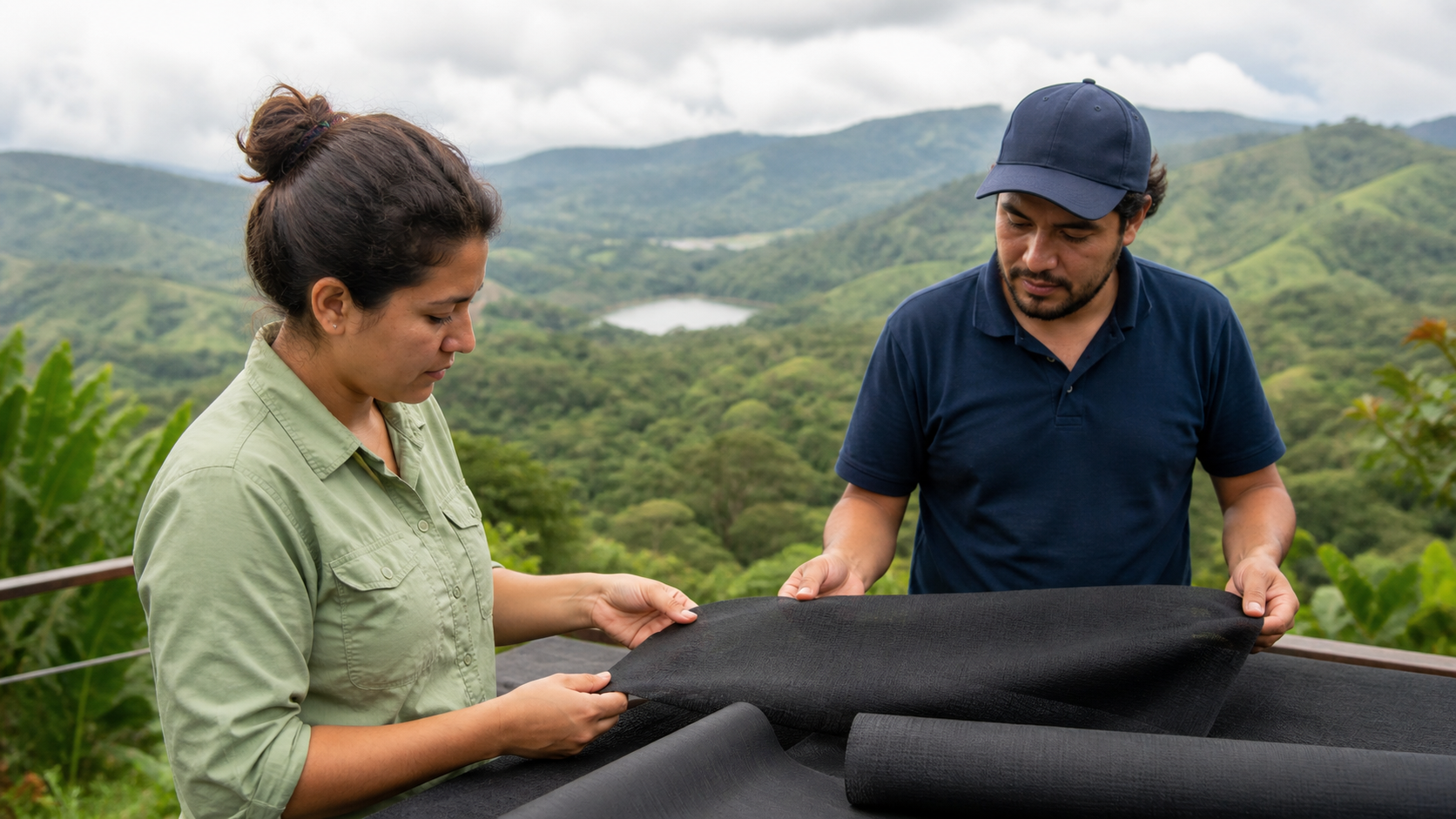
Costa Rica has positioned itself as a regional leader in sustainability, and its textile sector is increasingly aligning with this vision. Technical textiles—engineered for functionality and performance rather than aesthetics—are now being developed with eco-friendly processes and materials. This shift reflects a broader commitment to balancing industrial growth with environmental responsibility.
The integration of sustainability into technical textiles is not only an environmental necessity but also a competitive advantage. By combining innovation, high performance, and strict compliance with environmental standards, Costa Rica is building a resilient and future-ready textile ecosystem.
Industry Snapshot Table
| Aspect | Details |
|---|---|
| Technical Textiles | Fabrics designed for functional applications |
| Sustainability Focus | Eco-friendly materials and processes |
| Key Sectors | Medical, automotive, construction, agriculture |
| Compliance | Adherence to environmental regulations |
| Outcome | High-performance, sustainable textile solutions |
Industry Overview
Costa Rica’s textile industry is evolving from traditional manufacturing to specialized technical textiles. These products are used in diverse applications such as healthcare, infrastructure, and environmental protection. The focus on innovation has enabled the country to compete in global markets.
Government policies and sustainability initiatives have played a significant role in this transformation. Incentives for green manufacturing and strict environmental regulations encourage companies to adopt eco-friendly practices.
Material Innovation
- Use of biodegradable and recyclable fibers
- Development of bio-based polymers
- Integration of natural fibers with advanced materials
- Reduction of harmful chemical usage
Material innovation is at the core of sustainable technical textiles. Researchers and manufacturers are exploring alternatives to conventional synthetic fibers, aiming to reduce environmental impact without compromising performance.
These innovations also open new market opportunities. Eco-friendly materials appeal to global buyers seeking sustainable products, enhancing Costa Rica’s export potential.
Performance Features
- High durability and resistance to wear
- Enhanced functionality, such as water resistance and filtration
- Lightweight and flexible designs
- Adaptability to specific industrial needs
Technical textiles must meet rigorous performance standards. Sustainability efforts are integrated without sacrificing quality, ensuring that products remain reliable and effective.
Advanced manufacturing techniques enable the creation of textiles with specialized properties. This combination of performance and sustainability sets Costa Rica apart in the global market.
Eco Compliance
Compliance with environmental standards is a key aspect of the industry. Costa Rican manufacturers adhere to strict regulations governing emissions, waste management, and resource use. These standards ensure that production processes are environmentally responsible.
International certifications further enhance credibility. Meeting global eco-compliance requirements allows companies to access international markets and build trust with clients.
Production Methods
- Adoption of energy-efficient manufacturing processes
- Use of renewable energy sources
- Water conservation and recycling systems
- Waste reduction and circular economy practices
Sustainable production methods are essential for minimizing environmental impact. By optimizing resource use and reducing waste, manufacturers can achieve both economic and ecological benefits.
The adoption of circular economy principles ensures that materials are reused and recycled wherever possible. This approach reduces dependency on raw resources and promotes long-term sustainability.
Market Applications
Technical textiles produced in Costa Rica serve a wide range of industries. In healthcare, they are used for medical garments and protective equipment. In construction, they contribute to insulation and reinforcement materials.
Agriculture and environmental sectors also benefit from these textiles. Applications such as crop protection and filtration systems highlight their versatility and importance in sustainable development.
Challenges Ahead
- High costs of sustainable materials and technologies
- Limited access to advanced research infrastructure
- Need for a skilled workforce in specialized areas
- Balancing cost competitiveness with sustainability goals
Despite progress, the industry faces several challenges. Investing in sustainable technologies requires significant resources, which can be a barrier for smaller कंपनियां.
Addressing these challenges will require collaboration between government, industry, and academic institutions. Building capacity and supporting innovation are key to overcoming these obstacles.
Innovation Ecosystem
Costa Rica’s innovation ecosystem supports the growth of sustainable technical textiles. Partnerships between universities, research centers, and उद्योग stakeholders foster knowledge sharing and technological advancement.
Government initiatives and funding programs further стимулируют innovation. These efforts create an environment where sustainable solutions can be developed and scaled effectively.
Moving Forward
Sustainable technical textiles represent a promising path for Costa Rica’s industrial development. By integrating innovation, performance, and eco-compliance, the country is setting a benchmark for responsible manufacturing.
Continued investment in research, technology, and skills development will be essential for maintaining this momentum. With a strong commitment to sustainability, Costa Rica is well-positioned to lead in the global technical textile market.