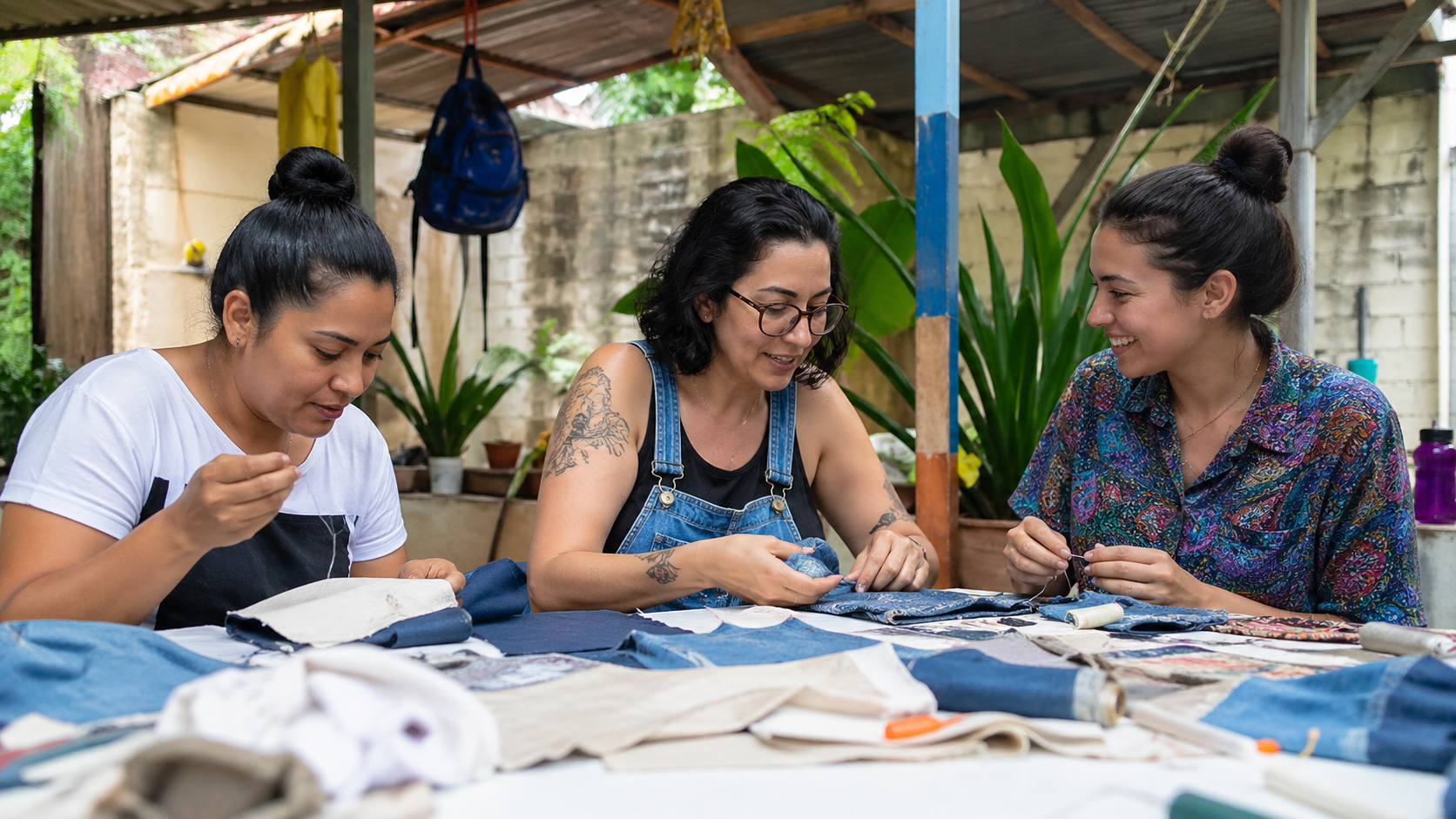
Community-based textile recycling is emerging as a powerful model of social innovation in Costa Rica. By combining environmental sustainability with community participation, this approach addresses textile waste while creating economic and social opportunities. It shifts recycling from an industrial-only process to a locally driven, inclusive system.
In a country known for its strong environmental commitment, community-led initiatives are playing a key role in promoting circular practices. These programs empower local populations, reduce landfill waste, and foster innovation in the textile sector.
System Snapshot
Understanding community-based textile recycling requires examining the interconnected elements that drive its success.
Overview Table: Recycling Ecosystem Elements
| Element | Description |
|---|---|
| Community Participation | Local involvement in collection and sorting |
| Recycling Infrastructure | Facilities and tools for processing textiles |
| Social Enterprises | Organizations driving innovation and impact |
| Economic Opportunities | Job creation and income generation |
| Environmental Benefits | Waste reduction and resource conservation |
These elements form a collaborative ecosystem where sustainability and social development reinforce each other. Each component contributes to building a resilient and inclusive recycling system.
Local Participation
Community involvement is the foundation of successful textile recycling programs. Residents actively participate in collecting, sorting, and distributing used textiles. This engagement increases awareness about waste management and encourages responsible consumption.
Local participation also strengthens social cohesion. When communities work together toward a shared goal, they build trust and collective responsibility. This collaborative spirit is essential for sustaining long-term initiatives.
Social Innovation
- Development of community-led recycling initiatives
- Creation of upcycling and repair workshops
- Integration of traditional skills with modern practices
- Collaboration between NGOs and local groups
- Promotion of inclusive and equitable participation
Social innovation drives the evolution of recycling systems. By combining creativity with practical solutions, communities can develop new ways to manage textile waste and create value from discarded materials.
These innovations often emerge from local needs and resources, making them highly adaptable and sustainable. They demonstrate how grassroots efforts can lead to meaningful change.
Economic Benefits
Community-based recycling generates economic opportunities by creating jobs and supporting small businesses. Activities such as sorting, processing, and upcycling provide income for individuals and families. This contributes to local economic development.
Entrepreneurial initiatives also play a role. Small enterprises can produce new products from recycled textiles, adding value and expanding market opportunities. This integration of sustainability and entrepreneurship strengthens the overall system.
Upcycling Practices
- Transforming old garments into new products
- Creating accessories, home décor, and crafts
- Extending the lifecycle of textile materials
- Encouraging creative reuse among communities
- Reducing demand for new raw materials
Upcycling is a key component of community-based recycling. It not only reduces waste but also promotes creativity and innovation. By giving new life to old materials, communities can generate unique products and reduce environmental impact.
These practices also have cultural significance. They often incorporate traditional techniques and designs, preserving heritage while addressing modern sustainability challenges.
Infrastructure Needs
Effective recycling systems require appropriate infrastructure. This includes collection points, sorting facilities, and processing equipment. Access to these resources determines the efficiency and scalability of recycling initiatives.
Investment in infrastructure is essential for growth. Partnerships with government agencies and private organizations can help provide the necessary support. Improved infrastructure enhances the capacity of communities to manage textile waste effectively.
Environmental Impact
Community-based recycling significantly reduces textile waste and its environmental consequences. By diverting materials from landfills, these programs decrease pollution and conserve natural resources. They also lower greenhouse gas emissions associated with textile production.
The environmental benefits extend beyond waste reduction. Recycling and upcycling contribute to a circular economy, where resources are continuously reused. This approach supports long-term sustainability and ecological balance.
Policy Support
Government policies in Costa Rica play an important role in supporting community-based recycling. Regulations and incentives encourage sustainable practices and provide resources for local initiatives. Policy frameworks also facilitate collaboration between stakeholders.
Supportive policies help scale successful programs and integrate them into national strategies. By aligning community efforts with broader goals, governments can amplify the impact of recycling initiatives.
Closing Reflections
Community-based textile recycling represents a dynamic intersection of sustainability and social innovation in Costa Rica. By empowering communities, creating economic opportunities, and reducing environmental impact, these initiatives demonstrate the potential of grassroots action.
As awareness and support continue to grow, community-driven recycling systems will play an increasingly important role in shaping a sustainable future. Their success highlights the importance of collaboration, creativity, and local engagement in addressing global environmental challenges.