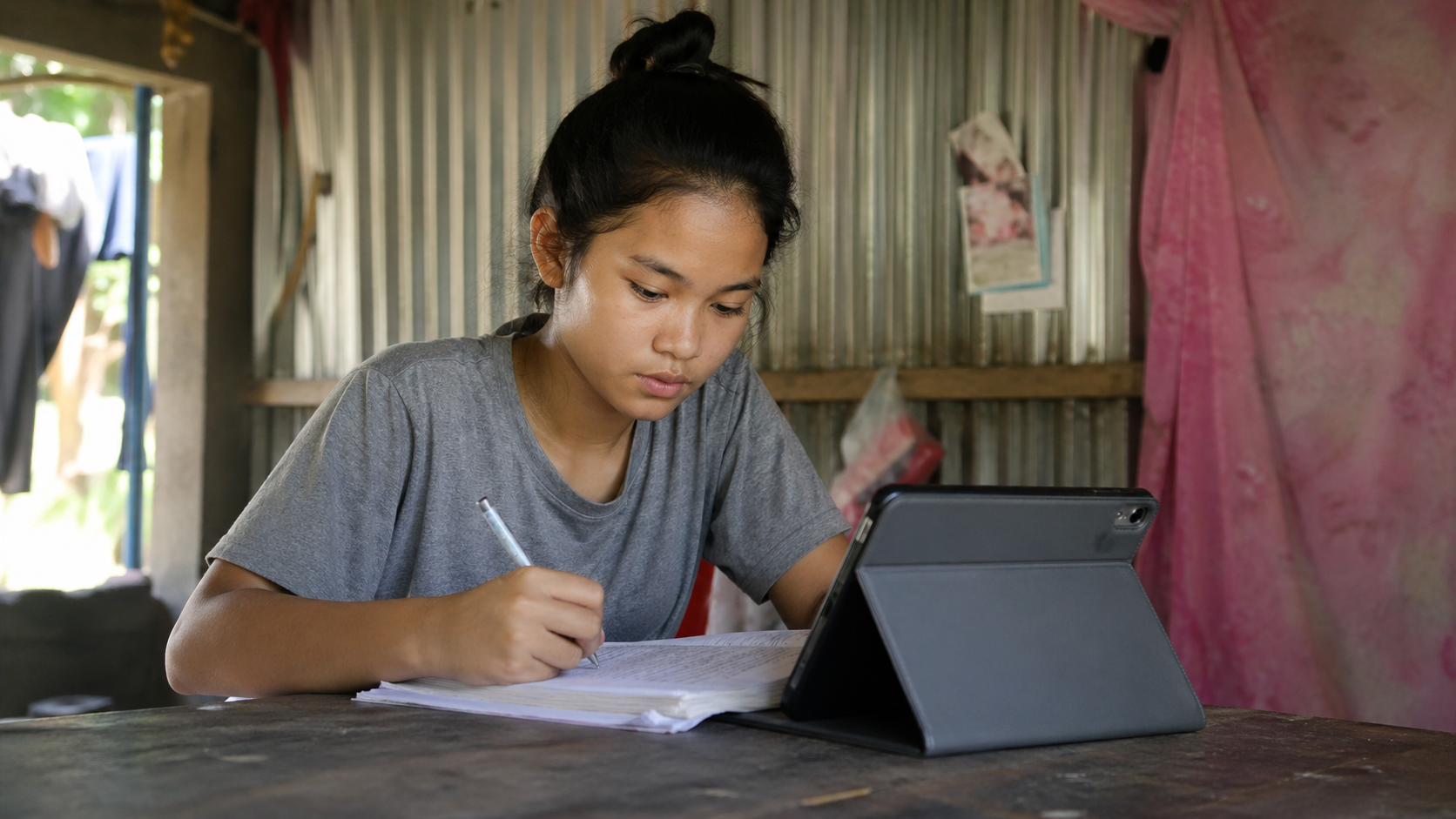
Digital education has transformed how knowledge is delivered and accessed, enabling learners to connect with educational resources beyond traditional classrooms. The rise of online learning platforms such as Khan Academy and Coursera has expanded opportunities for students worldwide. However, access to these resources is not equally distributed, with socioeconomic barriers limiting participation for many individuals.
Bridging the digital divide is essential for ensuring equitable access to education. Addressing challenges such as limited internet connectivity, lack of devices, and affordability issues is critical for creating inclusive learning environments. Reducing these barriers enables broader participation and supports long-term social and economic development.
Access Overview
Digital education relies on internet connectivity, devices, and digital literacy. Without these foundational elements, students cannot fully benefit from online learning opportunities. Socioeconomic disparities often determine who can access these resources and who cannot.
Efforts to improve access must focus on infrastructure development, affordability, and skill-building. By addressing these core areas, policymakers and educators can create a more inclusive digital education ecosystem that supports learners from diverse backgrounds.
Access Factors Table
| Factor | Description |
|---|---|
| Connectivity | Availability of reliable internet access |
| Devices | Access to computers or smartphones |
| Affordability | Cost of internet and educational tools |
| Digital Skills | Ability to use online platforms effectively |
| Content Access | Availability of relevant learning materials |
Infrastructure Gaps
- Internet Availability
- Rural and underserved areas lack connectivity
- Network quality affects the learning experience
- Device Access
- Limited access to computers or tablets
- Shared devices reduce learning efficiency
- Power Supply
- Inconsistent electricity disrupts learning
- Infrastructure challenges impact access
Infrastructure gaps remain one of the biggest barriers to digital education. Without reliable internet and electricity, students cannot participate consistently in online learning. These challenges are particularly pronounced in rural and low-income areas.
Improving infrastructure requires investment in broadband expansion and energy solutions. Public and private sector collaboration is essential to ensure that all communities have access to the necessary resources for digital education.
Economic Barriers
- Cost Constraints
- High internet and device costs limit access
- Subscription fees for platforms create barriers
- Income Inequality
- Low-income families prioritize basic needs
- Education technology becomes less accessible
- Hidden Expenses
- Maintenance and upgrades add costs
- Additional learning materials require spending
Economic barriers significantly impact access to digital education. The cost of devices, internet services, and educational platforms can be prohibitive for many families. These financial challenges create disparities in learning opportunities.
Addressing affordability requires targeted interventions such as subsidies, low-cost devices, and free educational resources. Reducing financial barriers is essential for promoting inclusive education.
Digital Literacy
Digital literacy is a critical component of effective online learning. Students and educators must possess the skills to navigate digital platforms, evaluate information, and use technology efficiently. Without these skills, access alone is insufficient.
Training programs and educational initiatives can help improve digital literacy. By equipping learners with the necessary skills, these programs enable more effective participation in digital education and enhance learning outcomes.
Policy Solutions
- Government Initiatives
- Expand broadband infrastructure
- Provide subsidies for devices and the internet
- Public-Private Partnerships
- Collaborate with technology companies
- Develop affordable solutions
- Educational Reforms
- Integrate digital learning into curricula
- Support teacher training programs
Policy solutions play a crucial role in reducing socioeconomic barriers. Governments and organizations must work together to create supportive frameworks that promote access and inclusion.
Comprehensive policies that address infrastructure, affordability, and education can significantly improve digital access. These efforts ensure that digital education becomes a viable option for all learners.
Community Efforts
- Local Programs
- Community centers provide access to devices
- Shared resources support learning
- Nonprofit Support
- Organizations offer free or low-cost education
- Outreach programs target underserved groups
- Peer Learning
- Collaborative learning enhances engagement
- Community support networks build resilience
Community-based initiatives complement policy efforts by addressing local needs. These programs provide practical solutions for improving access and supporting learners in underserved areas.
Engaging communities in digital education initiatives fosters a sense of ownership and sustainability. Local involvement ensures that solutions are tailored to specific challenges and contexts.
Future Opportunities
Advancements in technology present new opportunities for expanding access to digital education. Innovations such as mobile learning, offline content, and low-bandwidth solutions can help overcome existing barriers.
Continued investment in research and development is essential for creating scalable and inclusive solutions. By leveraging technology effectively, stakeholders can enhance access and improve educational outcomes for diverse populations.
Final Thoughts
Reducing socioeconomic barriers in digital education is essential for achieving equitable learning opportunities. Addressing infrastructure gaps, economic challenges, and digital literacy is key to creating an inclusive educational environment.
Through coordinated efforts from governments, organizations, and communities, digital education can become accessible to all. Ensuring equitable access not only supports individual growth but also contributes to broader social and economic development.