Support from the Cámara Textil Costarricense (CATECO) represents a central pillar of strength for textile producers across Costa Rica. Organization initiatives help manufacturers adapt to a changing global market where sustainability, technology, and value-added production have become essential. Sector development now relies heavily on collaborative programs, policy guidance, and innovation-driven strategies encouraged by CATECO.
Industry Overview
Overview of Costa Rica’s Textile Sector
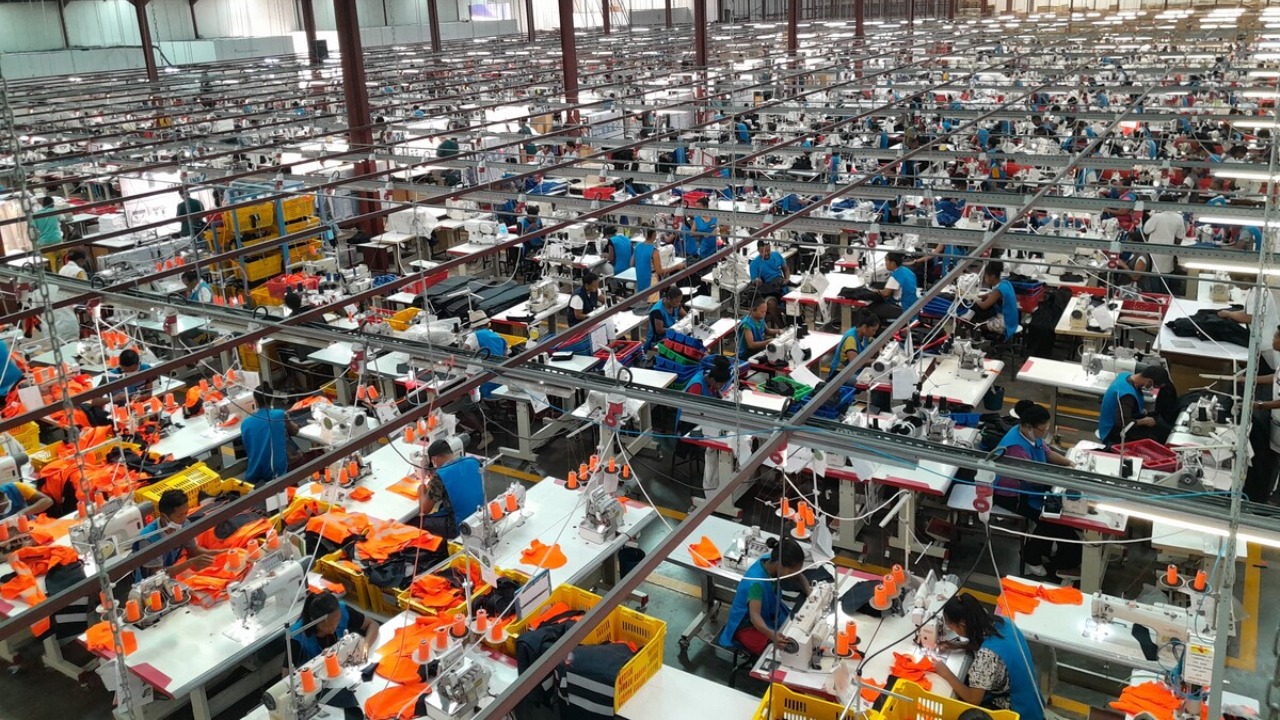
Textile manufacturing in Costa Rica operates in a mixed environment of small, medium, and specialized firms producing garments, fabrics, uniforms, and technical textiles for domestic and export markets. Industry performance remains tied to quality standards, environmental commitments, and access to training—areas where CATECO plays a defining role.
| Aspect | Current Situation | Relevance for Manufacturers |
|---|---|---|
| Industry Structure | Mostly small and medium-sized firms | Requires collective support and shared resources |
| Key Products | Apparel, uniforms, technical fabrics, eco-textiles | Offers niche opportunities beyond mass production |
| Export Focus | North America, regional markets, specialty buyers | Demands high quality and compliance |
| Core Needs | Training, technology, sustainability guidance | Directly addressed by CATECO programs |
| Main Challenge | Competing with low-cost global producers | Necessitates differentiation and innovation |
CATECO’s Core Support Functions
Advocacy and Policy Representation
- Representation of textile firms in policy discussions ensures that industry challenges are communicated to government agencies.
- Advocacy focuses on reducing operational barriers such as import delays, regulatory complexity, and high production costs.
- Dialogue with national institutions encourages policies that strengthen export competitiveness and sustainability compliance.
- Participation in economic committees allows CATECO to defend sector interests against unfavorable taxes or regulations.
Training and Skills Development
- Training programs organized by CATECO address modern manufacturing needs, including digital design, quality management, and lean production.
- Workshops offered by the association help workers and managers upgrade skills without excessive cost.
- Collaboration with universities and technical institutes ensures the workforce gains exposure to new textile technologies.
- Emphasis on specialized training supports the development of technical textiles, eco-friendly processes, and precision manufacturing.
Support for Sustainability and Environmental Compliance
- Guidance from CATECO helps manufacturers adopt responsible production practices aligned with Costa Rica’s environmental goals.
- Promotion of recycled fibers and organic materials encourages firms to shift toward low-impact textile lines.
- Assistance with certification processes helps companies meet global eco-standards such as sustainability labels and environmental audits.
- Spread of water-saving dyeing methods and energy-efficient technologies demonstrates CATECO’s commitment to green innovation.
Market Access and Export Promotion
- Support provided through export-readiness programs helps firms understand documentation, logistics, and compliance needs.
- Organization outreach helps Costa Rican textiles gain visibility in niche global markets that value ethical production.
- Partnerships developed by CATECO with trade agencies connect manufacturers to buyers in North America, Europe, and regional markets.
- Industry promotion emphasizes high-quality, small-batch, and sustainable textiles over large-volume commodity production.
Capacity Building Through Technology Adoption
Technology Modernization Initiatives
- Encouragement from CATECO pushes companies to explore digital printing, automated cutting systems, and modern sewing technology.
- Information sessions led by experts introduce firms to cost-effective innovations suitable for small and medium-scale production.
- Promotion of Industry 4.0 concepts—such as workflow digitization and smart inventory management—helps firms improve efficiency.
- Sharing of best practices helps smaller textile units overcome technological gaps without major financial strain.
Innovation Partnerships
- Collaboration with research institutes helps develop technical textiles for medical, industrial, and agricultural applications.
- Industry–academic partnerships foster experimentation with new fibers, coatings, and performance materials.
- Knowledge exchange through seminars strengthens the innovation culture among textile manufacturers.
- Pilot programs led by CATECO encourage manufacturers to test small-scale upgrades before large investments.
Networking and Industry Collaboration
Business Networking Support
- Networking events organized by CATECO bring together manufacturers, suppliers, designers, and buyers to exchange ideas.
- Platforms created by the association encourage joint ventures, shared investment, and cooperative problem-solving.
- Relationship-building activities support long-term partnerships within the Costa Rican textile ecosystem.
- Collective action enhances negotiation power when firms source materials or deal with international buyers.
Information Sharing and Market Intelligence
- Distribution of market reports helps manufacturers understand shifting global trends and pricing pressures.
- Insights into new technologies, fabrics, and consumer demands prepare firms for strategic adjustments.
- Updates on regulatory changes assist companies with compliance and risk management.
- Benchmarking within the industry supports the identification of opportunities for improvement.
CATECO’s Support in Overcoming Key Challenges
Addressing High Production Costs
- Advocacy for improved trade facilitation aims to lower imported material costs.
- Promotion of shared purchasing networks seeks to reduce the cost burden on individual firms.
- Training in efficiency and waste reduction helps firms improve productivity without sacrificing quality.
Managing Scale Limitations
- Support for niche markets helps smaller firms succeed without competing in mass-production arenas.
- Small-batch production strategies—encouraged by CATECO—match global demand for custom and eco-friendly apparel.
- Networking with small international brands helps manufacturers bypass large-scale competition.
Strengthening Quality and Compliance
- Guidance from CATECO ensures that firms maintain global-quality standards in stitching, finishing, and fabric testing.
- Promotion of quality-control training helps reduce defects and improve reliability for international buyers.
- Compliance support builds trust and enhances reputation in the global textile marketplace.
Summary: CATECO’s Primary Benefits to Manufacturers
| Support Area | Type of Assistance Provided | Impact on Manufacturers |
|---|---|---|
| Policy Advocacy | Government dialogue, regulation support | Improved business environment |
| Training Programs | Skill development, modern techniques | Better productivity and quality |
| Sustainability Guidance | Eco-materials, certifications, resource savings | Enhanced global compliance |
| Technology Adoption | Digital tools, automation advice | Higher efficiency and competitiveness |
| Market Access | Export support, buyer connections | Expanded opportunities |
| Networking | Events, partnerships, industry collaboration | Stronger industry cohesion |
Final Thoughts
CATECO’s work continues to shape the direction of Costa Rica’s textile industry by supporting manufacturers in training, sustainability, technology, and export expansion. Growth in the sector depends increasingly on collaboration and innovation—two areas where the association has substantial influence. Sector resilience is now strengthened by CATECO’s guidance, enabling firms to remain competitive despite global pressures.