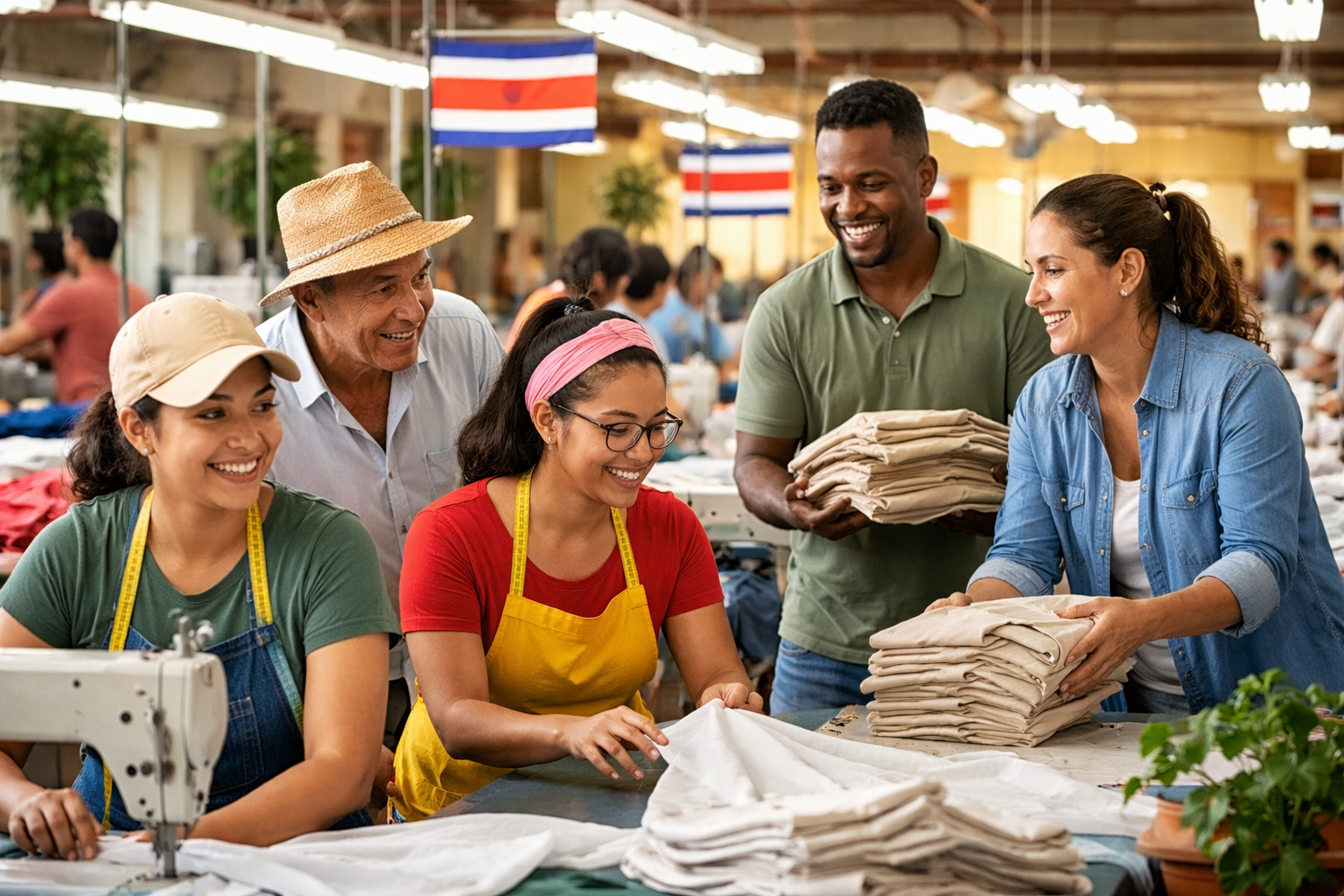
Costa Rica’s textile industry has increasingly recognized the importance of social sustainability and ethical labor practices as integral to long-term business success. Beyond environmental concerns, companies are now focusing on fair treatment of workers, equitable wages, and safe working conditions. By prioritizing social responsibility, textile manufacturers not only enhance their reputation but also strengthen workforce stability and productivity.
Ethical labor practices in Costa Rica align with both national labor laws and international standards. Companies that embrace these practices contribute to community well-being, reduce employee turnover, and attract socially conscious buyers in global markets.
Labor Overview
Social sustainability in textiles emphasizes fair employment, worker rights, and community engagement. Costa Rican textile producers integrate ethical standards into daily operations to ensure compliance and promote workforce welfare.
Labor Practices Overview Table
| Aspect | Details |
|---|---|
| Focus Areas | Worker rights, fair wages, safe conditions |
| Key Standards | ILO guidelines, national labor laws |
| Employee Benefits | Health, training, social programs |
| Impact on Business | Reduced turnover, improved productivity |
| Market Advantage | Appeals to ethical consumers |
This overview highlights the key components of social sustainability within the textile sector.
Fair Wages
Providing equitable compensation is central to ethical labor practices. Costa Rican textile companies ensure that wages meet or exceed minimum legal standards and reflect the skill level and responsibilities of employees.
- Living Wage Programs
- Support employee well-being and family stability
- Reduce economic stress and improve morale
- Transparent Compensation
- Clear wage structures and pay scales
- Encourages trust between workers and management
- Incentives & Bonuses
- Reward performance and productivity
- Foster long-term commitment to the company
Fair wage practices not only benefit employees but also enhance operational efficiency and workplace satisfaction.
Safe Working Conditions
Occupational safety is a cornerstone of ethical labor. Textile factories in Costa Rica adhere to strict safety protocols and provide regular training to minimize workplace hazards.
- Safety Training
- Educates workers on equipment use and emergency procedures
- Reduces accidents and injuries
- Ergonomic Practices
- Improves workstation design
- Enhances employee comfort and reduces strain
- Regular Audits
- Ensures compliance with national and international safety standards
- Identifies areas for improvement proactively
Safe workplaces contribute to higher productivity and a more motivated workforce.
Worker Rights
Respecting worker rights ensures that employees are treated fairly and have a voice in their working environment. Costa Rican textile manufacturers implement policies aligned with international labor standards.
- Freedom of Association
- Supports unions and collective bargaining
- Protects employee representation
- Non-Discrimination Policies
- Promotes equality regardless of gender, age, or ethnicity
- Creates an inclusive workplace culture
- Grievance Mechanisms
- Provides safe channels for reporting concerns
- Encourages resolution and transparency
Ensuring worker rights fosters trust, engagement, and long-term workforce stability.
Training & Development
Investing in employee skills is critical for social sustainability. Continuous training programs enhance technical expertise, safety knowledge, and career advancement opportunities.
- Technical Training
- Improves production efficiency and quality
- Prepares workers for advanced roles
- Leadership Development
- Cultivates future supervisors and managers
- Encourages internal promotions and career growth
- Community Engagement
- Supports social programs and educational initiatives
- Strengthens the relationship between the industry and local communities
Training ensures that employees are empowered, motivated, and capable of contributing to the company’s long-term success.
Ethical Supply Chain Practices
Social sustainability extends beyond factories to the entire supply chain. Textile companies collaborate with suppliers that adhere to ethical labor standards, ensuring consistency across production networks.
- Supplier Audits
- Verifies compliance with labor and safety standards
- Reduces risk of unethical practices
- Collaborative Partnerships
- Shares best practices for social responsibility
- Encourages continuous improvement across suppliers
- Traceability Programs
- Tracks production processes from raw materials to finished goods
- Ensures accountability and transparency
Ethical supply chains strengthen brand credibility and meet global expectations for responsible production.
Challenges in Implementation
Despite progress, challenges remain in fully integrating social sustainability. Limited resources, smaller supplier networks, and complex monitoring can hinder consistent ethical practices.
- Resource Constraints
- Small manufacturers may struggle to fund training programs
- Investments in safety infrastructure require strategic planning
- Monitoring Limitations
- Ensuring compliance across suppliers can be difficult
- Requires dedicated auditing and management systems
Addressing these challenges requires coordinated efforts, government support, and industry-wide collaboration.
Future Prospects
The future of Costa Rica’s textile industry depends on deepening social sustainability and ethical labor practices. Expanding training programs, improving working conditions, and strengthening supply chain accountability will enhance competitiveness and global market appeal.
By embedding social responsibility into business models, the industry can attract socially conscious consumers, retain skilled employees, and foster resilient communities. These initiatives position Costa Rica as a leader in ethical and sustainable textile production.