The textile industry is undergoing rapid transformation worldwide, driven by automation, digitalization, and sustainability demands. In Costa Rica, modernization efforts are reshaping traditional manufacturing processes, enabling businesses to improve efficiency and compete in global markets. However, this transition is not without challenges.
Costa Rica’s textile sector is balancing innovation with structural limitations such as cost pressures and infrastructure gaps. Despite these barriers, the country is making notable progress through strategic investments, policy support, and technological adoption. Understanding both obstacles and breakthroughs provides a comprehensive view of its evolving industrial landscape.
Modernization Overview
A clear perspective on modernization highlights the key elements influencing technological progress in the textile industry. The table below summarizes these factors.
Technology Modernization Summary
| Factor | Description |
|---|---|
| Automation Tools | Use of machines to improve efficiency |
| Digital Systems | Integration of software and data analytics |
| Infrastructure | Availability of modern facilities and equipment |
| Workforce Skills | Training and expertise in advanced technologies |
| Policy Support | Government initiatives promoting innovation |
These factors collectively shape the pace and success of modernization. While technology adoption offers clear benefits, its implementation depends on supportive conditions such as skilled labor and infrastructure.
A balanced approach is necessary to ensure that technological advancements are sustainable and inclusive. Addressing these factors helps create a strong foundation for long-term growth.
Key Barriers
Several challenges hinder the modernization of Costa Rica’s textile industry. High initial investment costs make it difficult for small and medium-sized enterprises to adopt advanced technologies.
Limited access to cutting-edge machinery and digital tools also slows progress. Additionally, infrastructure constraints and supply chain inefficiencies create further obstacles, affecting overall productivity and competitiveness.
Cost Challenges
- High Investment
Advanced machinery and automation systems require significant capital. - Maintenance Costs
Ongoing expenses for upkeep and repairs add financial pressure. - Technology Upgrades
Frequent updates are needed to stay competitive. - Return Uncertainty
Businesses may face delays in achieving returns on investment.
Cost-related challenges are among the most significant barriers to modernization. They require careful financial planning and support mechanisms to overcome.
Skill Gaps
A shortage of skilled workers trained in modern technologies poses another major challenge. Many employees lack expertise in operating advanced machinery or using digital systems.
Addressing this gap requires investment in education and training programs. Building a skilled workforce is essential for maximizing the benefits of technological innovation.
Infrastructure Limits
- Outdated Facilities
Older manufacturing units may not support new technologies. - Energy Constraints
Reliable and sustainable energy sources are essential for operations. - Connectivity Issues
Limited digital infrastructure affects data-driven processes. - Logistics Barriers
Inefficient transportation systems impact supply chains.
Infrastructure limitations can significantly slow down modernization efforts. Upgrading facilities and improving connectivity are critical steps toward progress.
Breakthrough Technologies
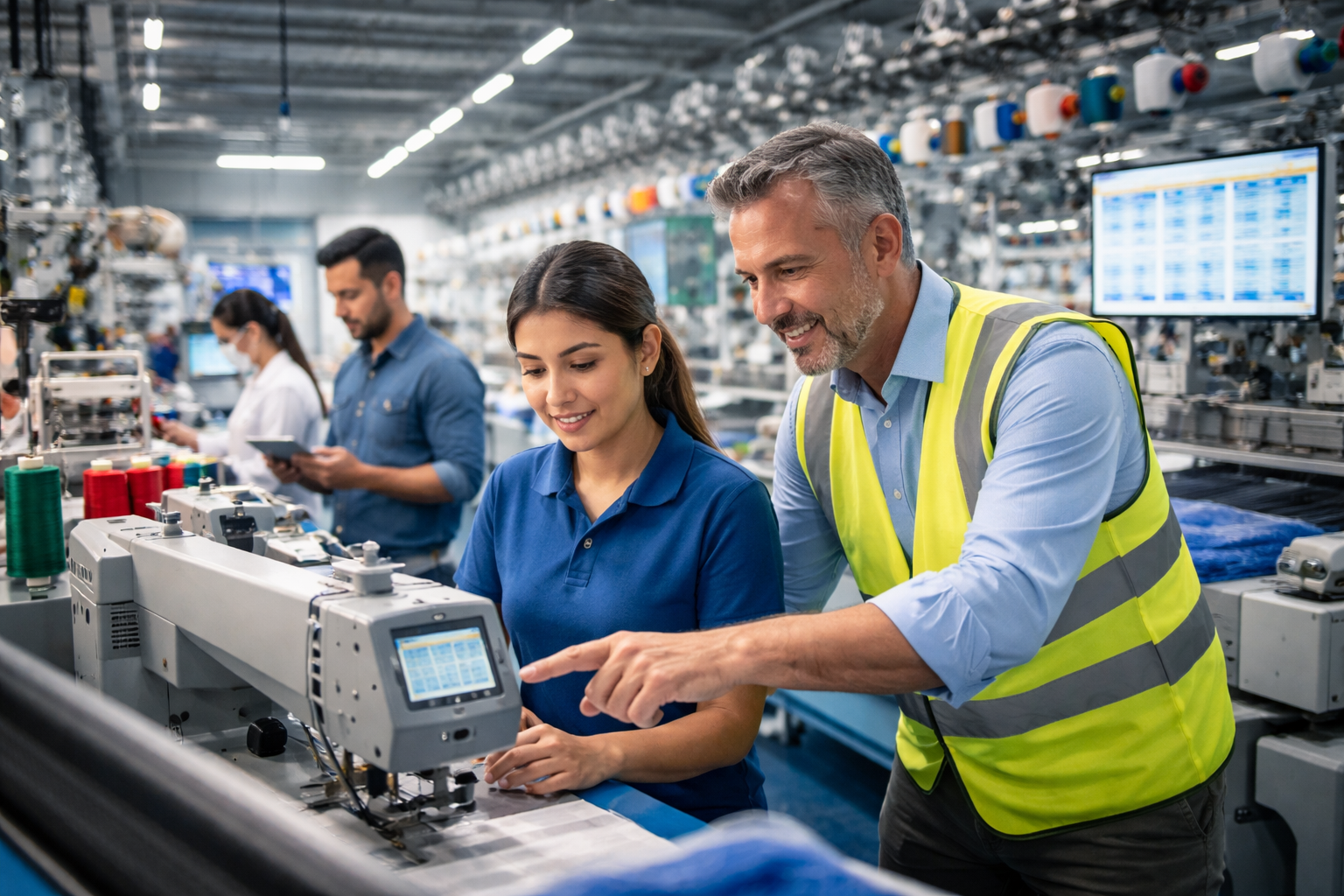
Despite these barriers, Costa Rica’s textile industry is embracing several breakthrough technologies. Automation tools, such as robotic systems, are improving efficiency and reducing labor-intensive tasks.
Digital technologies, including data analytics and cloud-based platforms, are enhancing decision-making and operational transparency. These innovations are helping businesses adapt to changing market demands.
Sustainability Integration
Sustainability is closely linked with technological modernization. Green technologies, such as energy-efficient machinery and water-saving processes, are being adopted to reduce environmental impact.
This integration not only supports environmental goals but also improves cost efficiency in the long run. Sustainable practices are becoming a key driver of innovation in the textile sector.
Government Initiatives
- Incentive Programs
Financial support encourages investment in new technologies. - Training Schemes
Skill development programs address workforce gaps. - Policy Frameworks
Regulations promote sustainable and modern practices. - Public Partnerships
Collaboration with private sectors enhances innovation.
Government initiatives in Costa Rica play a vital role in accelerating modernization. These efforts create a supportive environment for businesses to adopt advanced technologies.
Industry Collaboration
Collaboration between industry players, research institutions, and international partners is driving innovation. Shared knowledge and resources help overcome individual limitations and foster collective growth.
Such partnerships also enable access to global best practices and technologies. Collaboration is a key factor in achieving sustainable modernization.
Future Opportunities
- Smart Manufacturing
Integration of IoT and AI for real-time monitoring. - Digital Transformation
Expansion of data-driven decision-making processes. - Global Expansion
Increased participation in international markets. - Innovation Hubs
Development of centers for research and development.
Future opportunities highlight the potential for continued growth and advancement. Embracing these trends will help Costa Rica strengthen its position in the global textile industry.
Final Analysis
Technology modernization in Costa Rica’s textile industry is a complex journey marked by both barriers and breakthroughs. While challenges such as cost, skill gaps, and infrastructure limitations persist, significant progress is being made through innovation and collaboration.
By leveraging advanced technologies, government support, and sustainable practices, the industry is moving toward a more competitive and resilient future. Continued investment and strategic planning will be essential to fully realize the benefits of modernization.