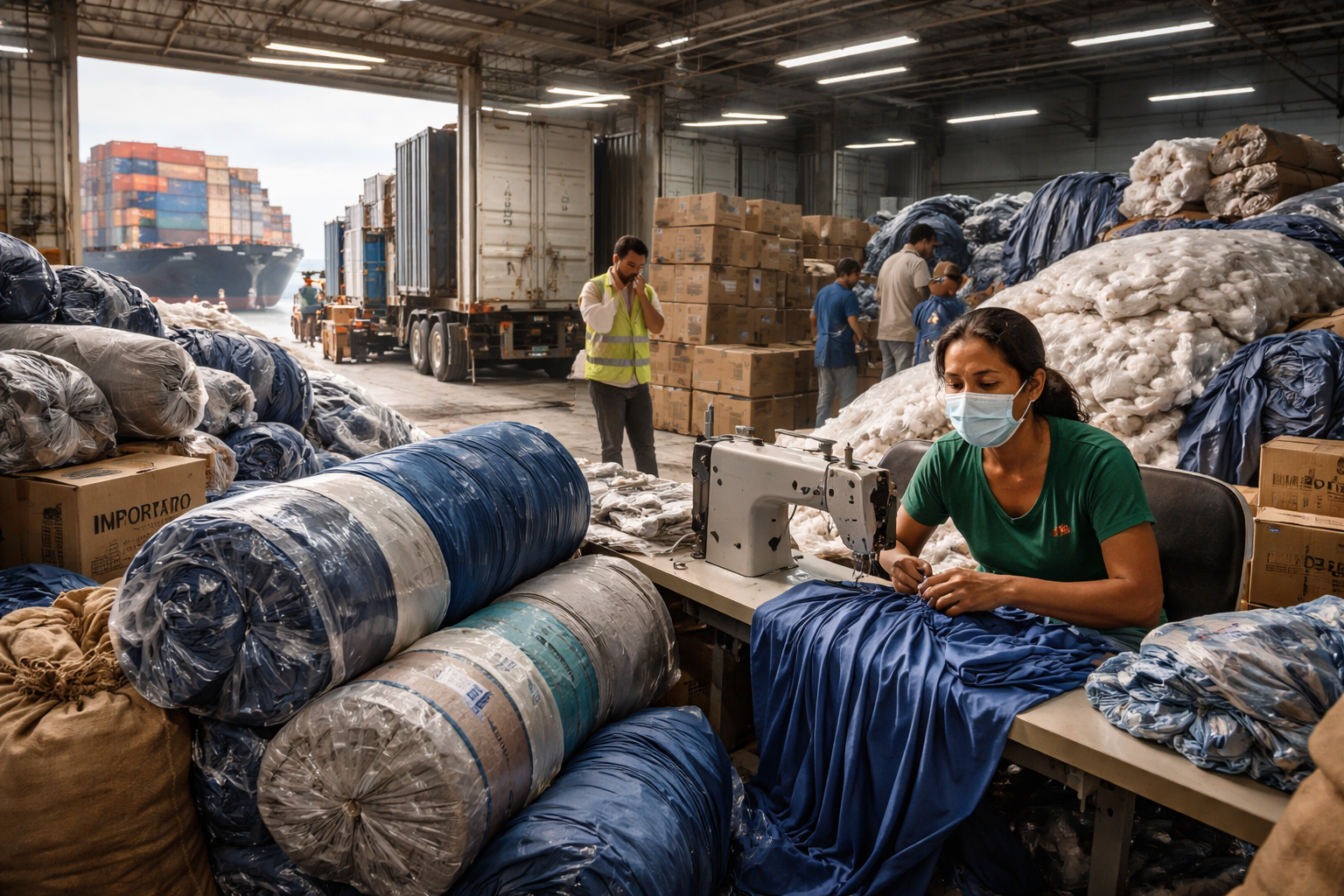
Costa Rica’s textile industry has made significant strides in innovation and sustainability, yet it remains heavily dependent on imported raw materials. This reliance creates vulnerabilities in production, cost stability, and supply chain efficiency. As global markets fluctuate, manufacturers must navigate these challenges while maintaining competitiveness.
Raw material dependence not only affects operational efficiency but also limits the sector’s ability to scale and innovate independently. Addressing these challenges is essential for long-term growth and resilience. This article explores the key issues arising from raw material dependence and potential strategies to overcome them.
Industry Overview
Raw Material Dependency Snapshot
| Factor | Description |
|---|---|
| Import Reliance | Dependence on foreign suppliers for fibers and fabrics |
| Cost Fluctuations | Price volatility due to global market changes |
| Supply Risks | Delays and disruptions in material availability |
| Limited Local Production | Lack of domestic raw material sources |
| Competitiveness Impact | Challenges in maintaining cost efficiency |
Import Dependence
Costa Rica’s textile manufacturers rely heavily on imported raw materials such as cotton, synthetic fibers, and specialized fabrics. This dependence is primarily due to limited domestic production capabilities and geographical constraints. As a result, the industry is closely tied to international supply chains.
Such reliance exposes manufacturers to external risks beyond their control. Political instability, trade restrictions, and global disruptions can directly impact material availability. This makes import dependence a significant challenge for long-term stability.
Cost Pressures
Fluctuating global prices for raw materials create financial uncertainty for textile manufacturers. Changes in commodity prices, transportation costs, and exchange rates can significantly affect production expenses. These cost pressures make it difficult for businesses to maintain consistent pricing.
Higher production costs can reduce competitiveness in global markets. Companies may struggle to compete with countries that have easier access to raw materials or lower production costs. Managing these financial challenges is critical for sustaining profitability.
Supply Disruptions
- Delays in international shipping and logistics
- Shortages due to global demand fluctuations
- Dependence on a limited number of suppliers
- Impact of geopolitical and environmental factors
Supply chain disruptions can halt production and delay deliveries. In an industry where timing is crucial, such interruptions can lead to lost business opportunities and damaged client relationships.
Diversifying supply sources can help mitigate these risks. However, this requires strategic planning and investment, which may not be feasible for all manufacturers.
Local Limitations
Costa Rica’s limited capacity for producing raw textile materials restricts its ability to reduce dependence on imports. Factors such as land availability, climate conditions, and investment constraints hinder the development of local supply chains.
Efforts to develop domestic production face challenges in scalability and cost-effectiveness. Building a local raw material base requires significant investment in infrastructure, research, and training. Despite these obstacles, it remains a potential long-term solution.
Environmental Impact
- Increased carbon footprint due to transportation
- Dependence on non-sustainable imported materials
- Limited control over sourcing practices
- Challenges in achieving full sustainability
Raw material dependence also has environmental implications. Importing materials from distant locations increases emissions and reduces the overall sustainability of production processes.
Manufacturers aiming for eco-friendly practices face difficulties in ensuring that imported materials meet sustainability standards. This challenge highlights the need for more transparent and responsible sourcing.
Strategic Responses
- Developing partnerships with diverse suppliers
- Investing in alternative and recycled materials
- Exploring regional sourcing opportunities
- Enhancing supply chain management systems
To address raw material dependence, companies are adopting strategic measures. Diversifying suppliers reduces risk, while investing in sustainable materials aligns with global trends. These strategies help improve resilience and adaptability.
Technological solutions also play a role in optimizing supply chains. Digital tools can enhance forecasting, inventory management, and supplier coordination, reducing the impact of disruptions.
Innovation Role
Innovation can help mitigate the challenges of raw material dependence. Research into alternative fibers and sustainable materials offers new possibilities for reducing reliance on imports. Advances in recycling technologies also provide opportunities for circular production models.
By embracing innovation, Costa Rican manufacturers can create more flexible and resilient systems. This approach not only addresses current challenges but also positions the industry for future growth.
Looking Ahead
Raw material dependence remains a critical challenge for Costa Rica’s textile industry, influencing costs, supply stability, and sustainability efforts. While the sector has made progress in innovation and technology adoption, addressing this dependency is essential for long-term success.
Through strategic planning, investment in local capabilities, and adoption of sustainable practices, the industry can reduce vulnerabilities and enhance competitiveness. A balanced approach combining global integration with local development will be key to building a resilient textile sector in Costa Rica.