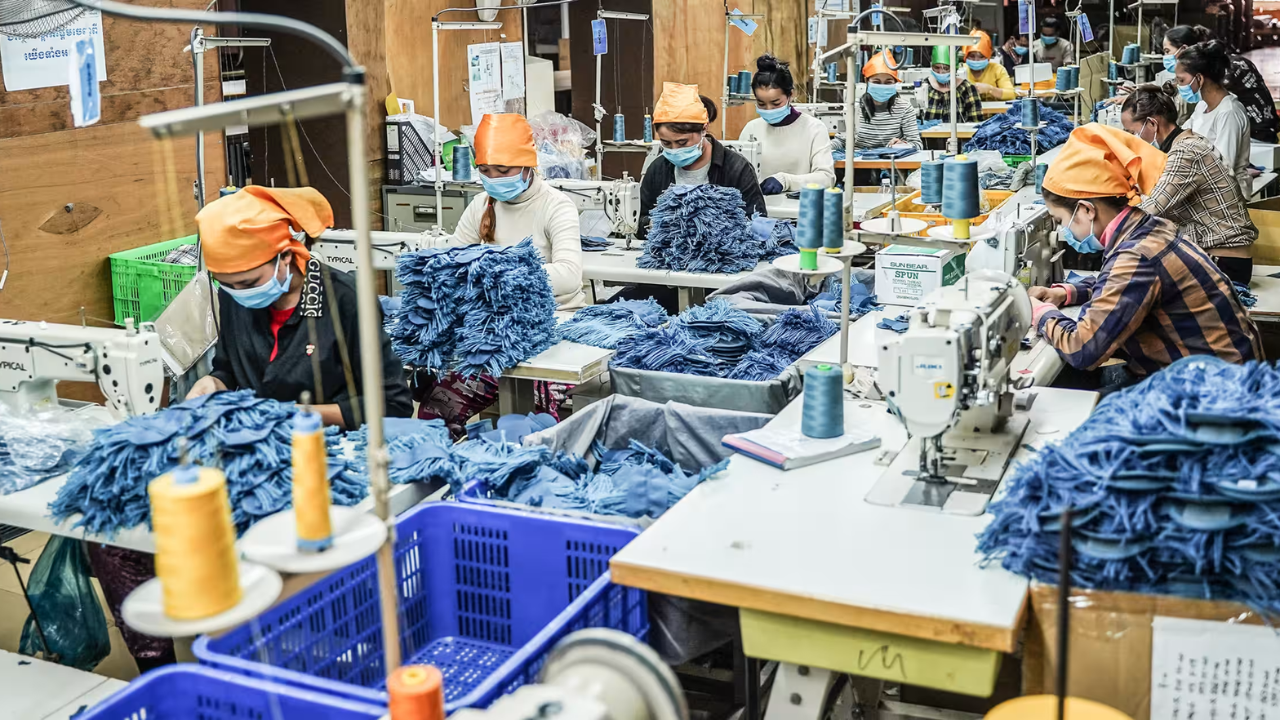
Training and skills development play a central role in strengthening Costa Rica’s textile manufacturing sector. Industry growth depends on workers who understand modern machinery, sustainable production, digital tools, and quality standards. Skills gaps appear when workers do not receive updated training or when new technologies enter the industry faster than workers can adapt. Balanced investment in technical education, practical workshops, and industry collaboration helps the country remain competitive while protecting jobs.
Meaning of Skills Gaps in the Textile Industry
Skills gaps refer to the difference between what workers currently know and what the industry requires.
Key Causes of Skills Gaps
- Limited access to advanced technical training
- Rapid introduction of automation and digital systems
- Shortage of specialised instructors in textile engineering
- Insufficient exposure to international standards
- Weak coordination between the industry and training institutions
- Low awareness among workers about new certification requirements
Skills gaps affect productivity, product quality, and export competitiveness.
Core Skills Needed in Textile Manufacturing
Modern textile factories require a mix of traditional and digital skills.
Essential Skill Areas
- Machine operation, including cutting, sewing, dyeing, and finishing
- Digital literacy for software-based planning and monitoring
- Quality inspection using manual and digital tools
- Chemical safety knowledge for dye and finishing processes
- Mechanical skills for maintenance and repair
- Workplace ergonomics to prevent injuries
- Communication skills for teamwork and supervision
- Sustainability awareness covering waste reduction and eco-friendly standards
Costa Rica’s growing sustainability profile increases the need for green-skills training.
Digital Skills Demand in Textile Plants
Digitalisation is now part of everyday textile operations.
Key Digital Competencies
- CAD pattern-making tools for design and cutting
- Production planning software for scheduling orders
- Barcode and RFID systems for inventory tracking
- Quality control scanners for defect detection
- Digital printing machines require specialised operators
- Data interpretation to analyse efficiency and waste levels
Workers with digital skills become more valuable in hybrid production systems.
Traditional Skills Still Needed in the Sector
Manual expertise remains important despite automation.
Crucial Traditional Skills
- Hand-guided stitching for delicate seams
- Fabric knowledge covering stretch, weight, and behaviour
- Cutting room judgment for fabric flaws and orientation
- Artisanal finishing for customised products
- Quality-based decision-making based on touch and visual evaluation
Traditional skills support flexibility and quality assurance.
Role of CATECO in Training and Skill Development
CATECO supports efforts to close skills gaps in the textile workforce.
CATECO Contributions
- Training programs on machinery operation and digital tools
- Industry–academia partnerships promoting knowledge exchange
- Skill certification frameworks are improving worker qualifications
- Workshops on sustainability, ergonomics, and chemical safety
- Competency assessments to identify skill shortages
- Support networks for small manufacturers needing training assistance
CATECO functions as a bridge connecting companies, educators, and workers.
Types of Skills Needed in Modern Textile Plants
| Skill Category | Description |
|---|---|
| Technical Skills | Covers machine operation, repair, fabric handling, and cutting-room tasks. |
| Digital Skills | Includes CAD tools, software planning, scanners, and digital printing. |
| Quality Skills | Involves inspection, defect analysis, and process control. |
| Green Skills | Focuses on waste reduction, water-saving, and environmental standards. |
| Soft Skills | Includes communication, teamwork, problem-solving, and adaptability. |
Training Challenges Faced by Costa Rican Textile Firms
Training limitations prevent firms from developing a competitive workforce.
Key Challenges
- High cost of specialised training programs
- Limited trainers with advanced textile expertise
- Slow adoption of digital systems in some factories
- Time constraints for workers balancing production targets
- Insufficient training materials in Spanish for advanced technologies
- Uneven access to workshops for small and rural manufacturers
These challenges create unequal skill distribution across the industry.
Mismatch Between Industry Needs and Worker Capabilities
Mismatch occurs when workers’ current skills do not align with factory requirements.
Common Mismatches
- Strong sewing ability but weak digital literacy
- Experience with manual cutting, but limited CAD knowledge
- Competence in dyeing, but a lack of chemical safety training
- Ability in basic repairs, but limited advanced troubleshooting skills
- Awareness of quality principles but limited knowledge of international standards
Such mismatches limit efficiency and innovation.
Training Solutions for the Industry
Solutions must focus on practical training and long-term skill strengthening.
Effective Solutions
- On-site workshops led by experienced technicians
- Online digital training modules for flexible learning
- Partnerships with universities offering textile engineering support
- Youth apprenticeship programs are preparing future workers
- Certification programs aligned with global market requirements
- Government incentives to support technology and training investment
Solutions can reduce skill shortages and increase worker confidence.
Training Approaches for Closing Skills Gaps
| Training Approach | Benefit |
|---|---|
| On-the-job Training | Builds real-time technical skills and improves confidence. |
| Formal Courses | Provides structured education on machinery, chemicals, and quality tools. |
| Digital Training | Strengthens software literacy and prepares workers for automated systems. |
| Apprenticeships | Helps young workers gain practical experience. |
| Industry Partnerships | Supports knowledge sharing between firms and institutions. |
Importance of Continuous Learning in Textiles
Continuous learning helps workers stay updated with new machines, materials, and rules.
Major Benefits
- Higher productivity through improved technical skills
- Better safety due to training on chemicals and machinery
- Lower waste levels with a better understanding of material behaviour
- Stronger adaptability to digital tools
- Improved product quality due to advanced inspection skills
- Long-term career growth for workers
A culture of learning strengthens the entire textile value chain.
Future Skill Requirements in Costa Rica’s Textile Sector
Future demand will favour workers who can blend digital and traditional skills.
Expected Trends
- Greater need for technicians who can repair automated machines
- More demand for CAD pattern-makers
- Increased emphasis on sustainability compliance and green production
- Expansion of data-driven roles in planning and monitoring
- Higher expectations for traceability and documentation skills
- New opportunities in textile innovation and material science
These trends encourage the development of a modern, adaptable workforce.
Final Analysis
Training and skill development remain essential for the long-term success of Costa Rica’s textile industry. Growing technological complexity, digitalisation, and global sustainability expectations require workers to continuously upgrade their abilities. Strong collaboration among firms, training institutions, and CATECO can help close skills gaps and support a competitive, innovative, and future-ready textile workforce.