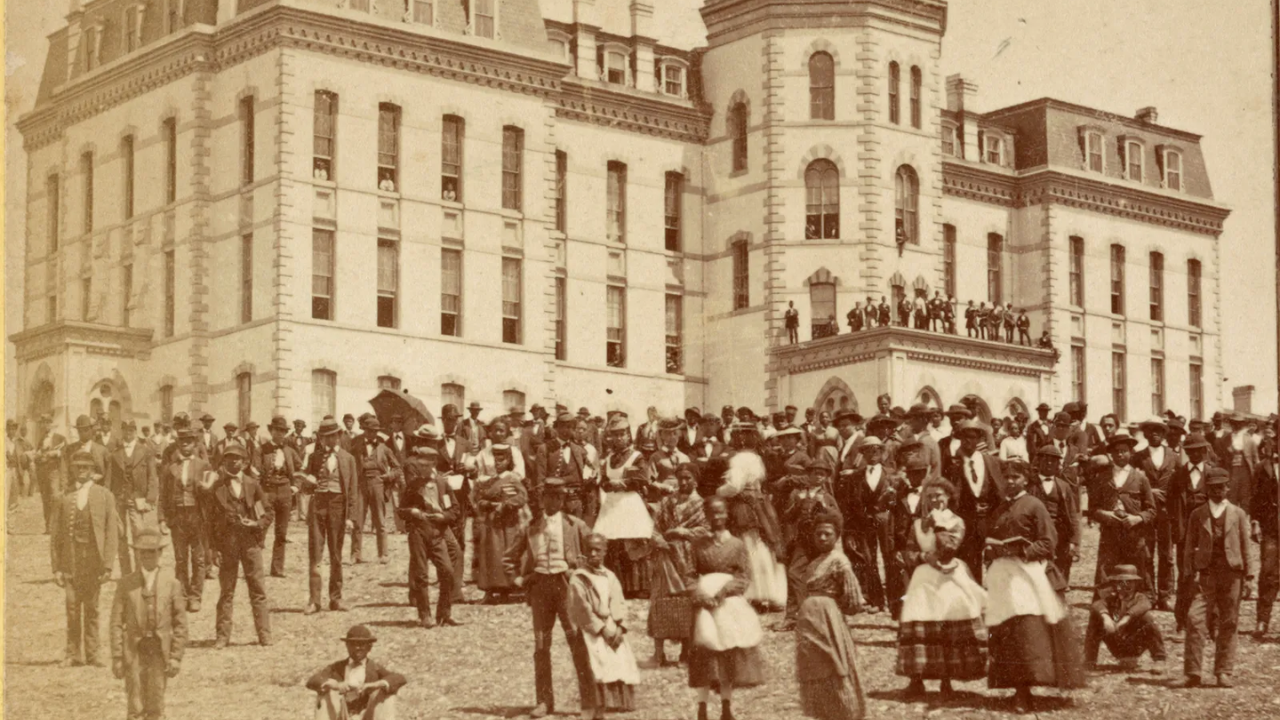
Historically Black Colleges and Universities (HBCUs) have played a critical role in providing higher education opportunities for African Americans, particularly during periods when racial segregation barred access to many mainstream institutions. These colleges have been essential in promoting academic excellence, leadership development, and social mobility, while fostering cultural pride and community empowerment.
Historical Significance
Foundation for education: HBCUs were established to provide access to higher education for Black students during segregation.
Civil rights leadership: Many HBCU alumni played pivotal roles in civil rights movements and advocacy.
Cultural preservation: HBCUs celebrate African American history, heritage, and identity.
Professional development: Graduates often pursue careers in law, medicine, education, government, and business, contributing to community leadership.
Community empowerment: HBCUs have historically engaged with local communities through outreach programs, research, and social initiatives.
Historical Contributions of HBCUs
Contribution
Impact
Access to Education
Enabled higher education for Black students during segregation.
Civil Rights Leadership
Produced leaders who advocated for equality and justice.
Cultural Preservation
Promoted African American heritage and identity.
Professional Development
Graduates contributed to leadership in law, medicine, education, and business.
Community Empowerment
Local outreach, social programs, and research initiatives.
Current Role of HBCUs
Academic excellence: HBCUs continue to provide rigorous education in STEM, humanities, arts, and professional programs.
Leadership training: Programs nurture political, social, and entrepreneurial leaders.
Research and innovation: HBCUs engage in research that addresses social, economic, and scientific challenges in marginalized communities.
Diversity and inclusion: These institutions provide an environment that promotes racial and cultural awareness.
Networking opportunities: Alumni networks create mentorship, career guidance, and community engagement opportunities.
Current Roles of HBCUs
Role
Description
Academic Excellence
Rigorous programs in STEM, humanities, arts, and professional disciplines.
Leadership Training
Develops political, social, and entrepreneurial leaders.
Research & Innovation
Conducts studies addressing challenges in marginalized communities.
Diversity & Inclusion
Promotes cultural awareness, identity, and inclusion.
Networking Opportunities
Alumni networks provide mentorship and career guidance.
Impact on Communities
Economic development: HBCUs contribute to local economies through employment, student spending, and partnerships with businesses.
Social mobility: Graduates often experience upward mobility and become role models for future generations.
Cultural engagement: Events, programs, and initiatives foster cultural pride and community cohesion.
Educational outreach: HBCUs support K-12 education programs, mentorship, and scholarships for underserved students.
Policy influence: Faculty and alumni advocate for policies promoting racial equity, social justice, and community development.
Impact on Communities
Impact Area
Outcome
Economic Development
Job creation, local spending, and business partnerships.
Social Mobility
Graduates achieve upward mobility and inspire future generations.
Cultural Engagement
Promotes heritage, identity, and community cohesion.
Educational Outreach
Programs, mentorship, and scholarships for K-12 students.
Policy Influence
Alumni and faculty advocate for social justice and racial equity.
Challenges Faced by HBCUs
Funding limitations: Many HBCUs face budget constraints affecting infrastructure, faculty, and student resources.
Enrollment pressures: Competing with larger universities and online programs can affect student recruitment.
Resource inequities: Federal and state funding disparities impact research capabilities and program development.
Technological adaptation: Keeping pace with digital education and innovation requires significant investment.
Public perception: HBCUs must continuously highlight their value, achievements, and impact.
Challenges and Solutions
Challenge
Solution
Funding Limitations
Increase federal, state, and private investment in infrastructure and programs.
Enrollment Pressures
Strengthen recruitment, scholarships, and outreach programs.
Resource Inequities
Advocate for equitable funding and grants for research and innovation.
Technological Adaptation
Invest in digital infrastructure and virtual learning platforms.
Public Perception
Promote success stories, alumni achievements, and community impact.
Opportunities for Growth
Partnerships with industry: Collaborations with corporations enhance student career opportunities and research initiatives.
Global engagement: International programs promote cross-cultural learning and global competitiveness.
Alumni support: Engaged alumni networks provide mentorship, funding, and advocacy.
Entrepreneurial programs: Encouraging student startups and innovation strengthens economic impact.
Policy advocacy: HBCUs can influence legislation promoting higher education equity and social justice.
Opportunities for Growth
Opportunity
Potential Impact
Industry Partnerships
Improved career pathways, internships, and research collaborations.
Global Engagement
Cross-cultural learning and international competitiveness.
Alumni Support
Mentorship, financial backing, and advocacy for institutional growth.
Entrepreneurial Programs
Student startups and economic development initiatives.
Policy Advocacy
Influence on higher education funding, social justice, and equity policies.
Wrapping Up
HBCUs remain essential institutions in the United States, providing education, leadership development, and community empowerment for African Americans and other marginalized groups. Through academic excellence, research, cultural preservation, and economic contributions, HBCUs continue to shape communities and national progress. Addressing funding, enrollment, and technological challenges while leveraging partnerships, alumni networks, and policy advocacy ensures that HBCUs remain influential centers of learning, empowerment, and equality for generations to come.