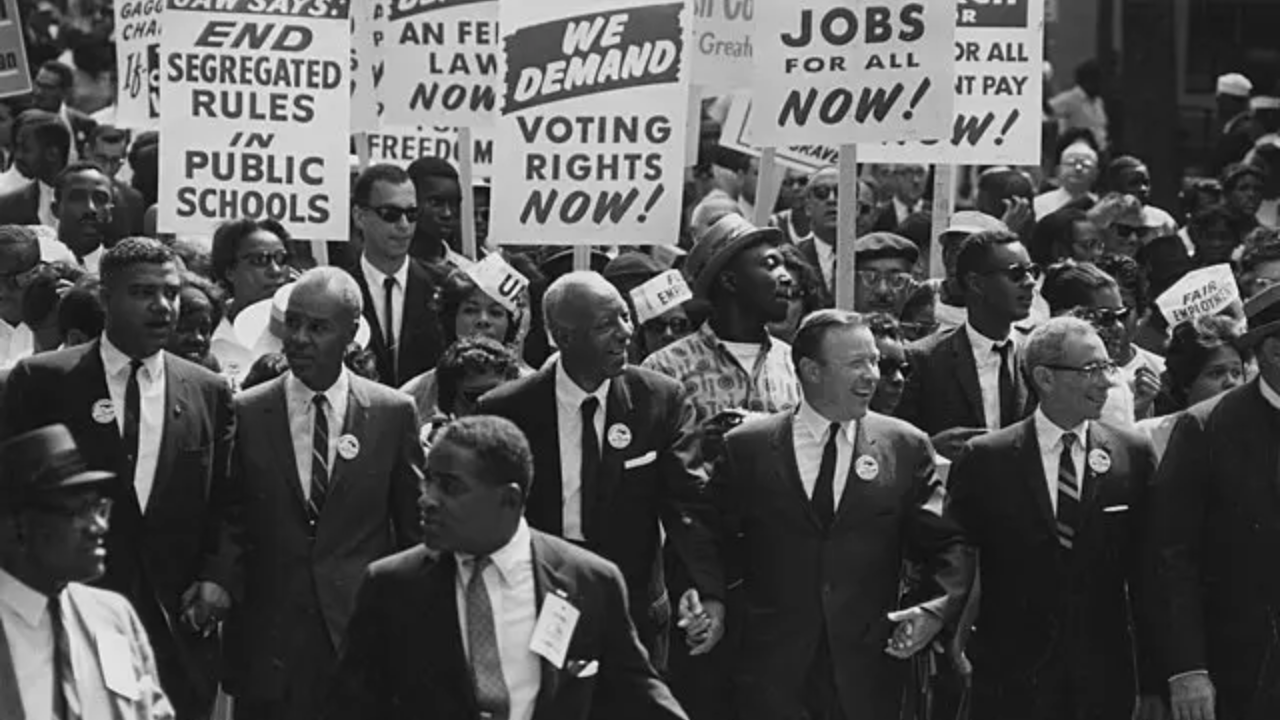
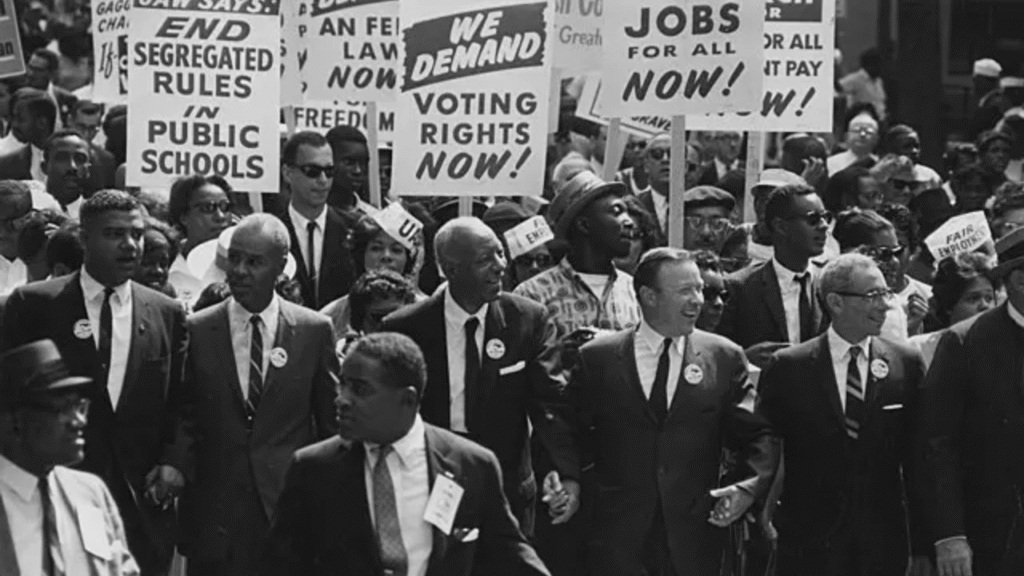
Faith-based organizations have played a vital role in promoting equality and social justice throughout history. Churches, mosques, synagogues, and other religious institutions have served as safe spaces for community organizing, advocacy, and leadership development. These organizations often combine moral guidance with practical action to fight discrimination, promote human rights, and empower marginalized communities.
Historical Significance
Civil rights leadership: Many faith leaders acted as organizers, mentors, and public figures in the civil rights movement.
Community mobilization: Religious institutions provided meeting spaces, resources, and platforms for planning protests and campaigns.
Moral authority: Faith-based organizations lent ethical legitimacy to calls for equality and justice.
Educational initiatives: Churches and religious groups hosted schools, tutoring, and literacy programs for underserved populations.
Coalition building: Faith organizations collaborated with civil rights groups, unions, and community organizations to expand influence.
Historical Contributions of Faith-Based Organizations
Contribution
Impact
Leadership
Clergy served as civil rights leaders and advocates for justice.
Community Mobilization
Provided spaces and resources for organizing protests and campaigns.
Moral Authority
Supported ethical calls for equality and human rights.
Education
Offered tutoring, literacy, and after-school programs for marginalized youth.
Coalition Building
Partnered with civil rights groups to expand reach and influence.
Current Role in Equality Movements
Advocacy campaigns: Faith-based organizations engage in lobbying, petitions, and public campaigns to support civil rights legislation.
Community services: Programs provide food, shelter, healthcare, and counseling, reducing economic disparities.
Youth engagement: Religious institutions nurture young leaders through mentorship and educational programs.
Interfaith collaboration: Multiple religious communities unite to address systemic inequality and promote tolerance.
Public awareness: Sermons, workshops, and social media campaigns educate congregations on social justice issues.
Current Roles of Faith-Based Organizations
Role
Description
Advocacy Campaigns
Lobbying, petitions, and public campaigns to influence civil rights policies.
Community Services
Food banks, shelters, healthcare clinics, and counseling programs.
Youth Engagement
Leadership development, mentorship, and educational programs for youth.
Interfaith Collaboration
Joint initiatives among multiple faith groups to address inequality.
Public Awareness
Educational programs, workshops, and social media campaigns on justice issues.
Impact on Social Justice
Empowered communities: Faith-based organizations give marginalized groups a voice in local and national discussions.
Stronger networks: Religious communities foster collaboration between individuals, NGOs, and advocacy groups.
Policy influence: Organized campaigns and lobbying efforts contribute to passing civil rights legislation.
Sustainable activism: Faith communities often provide long-term support and stability for ongoing social justice work.
Moral framing: Ethical and religious perspectives strengthen public support for equality initiatives.
Measurable Impacts on Social Justice
Impact Area
Outcome
Community Empowerment
Marginalized individuals gain leadership roles and platforms.
Networking
Collaboration between religious, civic, and advocacy organizations grows.
Policy Influence
Faith-led campaigns contribute to legislative and regulatory changes.
Sustainable Activism
Long-term initiatives supported and maintained by religious institutions.
Moral Framing
Ethical arguments increase public support for equality movements.
Challenges and Opportunities
Check below details carefully.
Challenges:
Limited resources can restrict program reach.
Balancing spiritual guidance with activism may create tension.
Ensuring inclusivity across different faiths and communities requires deliberate effort.
Opportunities:
Expanding youth programs strengthens the next generation of leaders.
Interfaith coalitions amplify advocacy and community engagement.
Partnerships with secular organizations increase resources and effectiveness.
Challenges and Opportunities
Category
Details
Challenges
Limited resources, balancing spiritual and activist roles, inclusivity issues.
Opportunities
Youth programs, interfaith collaboration, partnerships with NGOs and secular groups.
The Bottom Line
Faith-based organizations continue to be instrumental in equality movements by combining moral authority with practical action. Their efforts empower communities, nurture leaders, and provide critical resources for marginalized populations. By engaging in advocacy, education, and interfaith collaboration, these organizations strengthen civil rights initiatives and promote justice. The sustained involvement of religious institutions ensures that equality movements remain resilient, inclusive, and effective across generations.