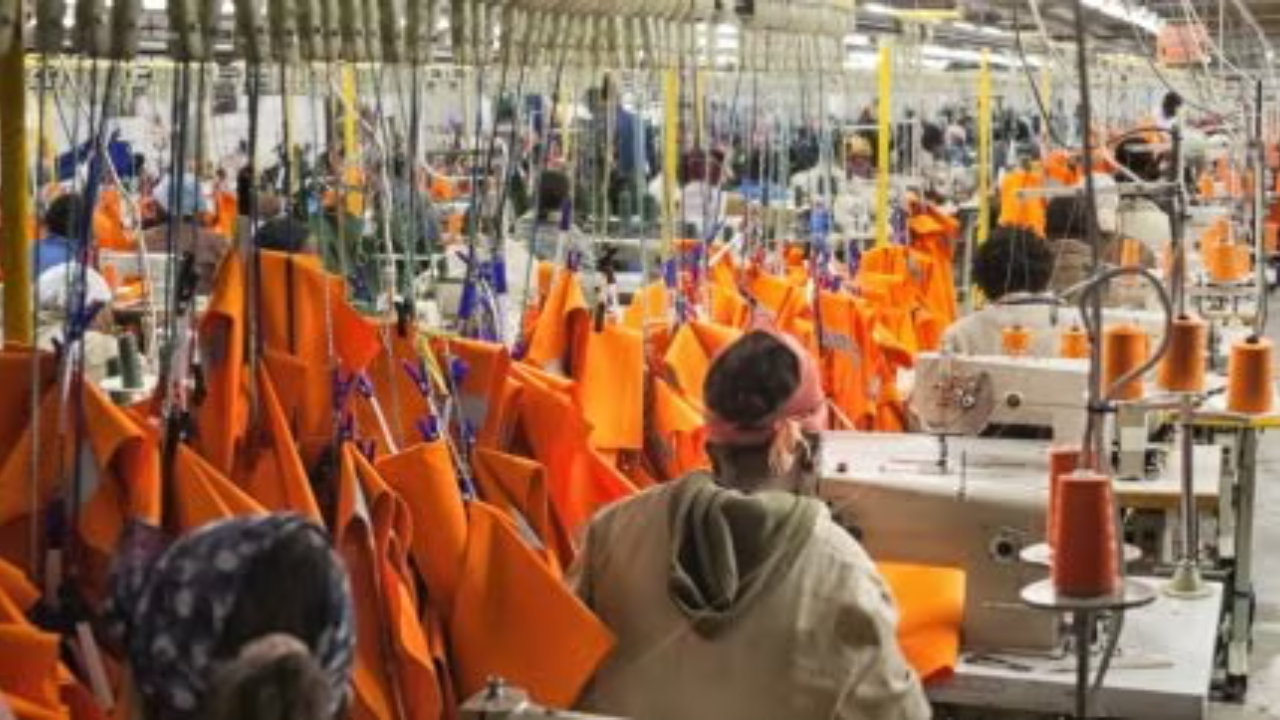
The textile sector faces growing challenges from both legal regulations and supply chain disruptions. Rising compliance requirements, trade restrictions, and environmental laws intersect with logistical delays, raw material shortages, and labor challenges. Businesses must navigate these issues carefully to maintain operations, profitability, and competitiveness in global markets. This article explores key legal factors, supply chain challenges, and strategies adopted by textile companies.
Overview
| Aspect | Key Detail |
|---|---|
| Sector | Textile Industry |
| Main Issues | Legal regulations and supply chain disruption |
| Impact | Operational delays, increased costs, compliance risks |
| Focus | Mitigation strategies and industry adaptation |
Legal Regulations
Legal compliance significantly impacts textile operations. Regulations on environmental standards, chemical usage, and labor laws create operational obligations. Companies must follow national and international policies to avoid penalties and maintain market access.
Environmental laws regarding emissions, wastewater, and sustainable material sourcing require proactive compliance measures. Labor regulations, including working hours, wages, and workplace safety, further affect production planning and costs. Failure to comply can result in fines, reputational damage, or export restrictions.
Trade and Tariff Challenges
International trade policies and tariffs influence textile imports and exports. Customs procedures, tariff barriers, and changing trade agreements affect raw material costs and delivery timelines. Businesses face additional paperwork and compliance requirements, slowing supply chain efficiency.
Supply Chain Delays
Global supply chain disruptions contribute to production delays. Shipping congestion, container shortages, and fluctuating transportation costs increase operational complexity. Delays in importing raw materials or exporting finished products impact delivery schedules and client commitments.
Raw Material Shortages
Textile manufacturers face shortages in cotton, synthetic fibers, and dyes. Price volatility in raw materials affects budgeting and profitability. Supply disruptions force companies to find alternative sources, often at higher costs or with longer lead times.
Labor Constraints
Labor shortages in manufacturing hubs create additional challenges. Skilled workers in spinning, weaving, and finishing are limited. Recruitment difficulties and wage pressures affect production capacity and delivery timelines.
Technology Adoption
Textile companies increasingly rely on technology to manage supply chain and legal challenges. Digital tools, such as inventory management software, real-time tracking systems, and automated compliance monitoring, improve efficiency and reduce errors. Advanced analytics help forecast demand, optimize procurement, and anticipate disruptions. Technology adoption also supports sustainability reporting and regulatory compliance, allowing companies to respond quickly to changing market and legal requirements while maintaining operational continuity.
Sustainability Pressures
Sustainability initiatives, while legally encouraged, add complexity to supply chains. Traceability requirements, eco-friendly material sourcing, and circular economy mandates require enhanced monitoring and reporting. Companies must invest in technology and processes to meet sustainability goals.
Risk Mitigation Strategies
Textile businesses adopt several strategies to handle disruptions. Diversifying suppliers, building buffer inventories, and nearshoring production reduce dependency on single sources. Technology adoption, including supply chain management software, improves visibility and response times.
Legal compliance teams help companies stay updated on regulations, ensuring adherence and minimizing fines. Collaborative contracts with suppliers improve coordination during disruptions.
Industry Adaptation
Textile companies increasingly combine legal compliance with operational flexibility. Scenario planning and agile supply chain management allow rapid adjustments to changing regulations and market conditions. Industry associations also provide guidance and resources to navigate complex legal frameworks.
Final Thoughts
Legal requirements and supply chain disruptions present intertwined challenges for the textile sector. Companies that proactively manage compliance, diversify supply sources, and adopt technological solutions maintain resilience. Strategic planning, sustainability initiatives, and agile operations remain key for long-term competitiveness in this dynamic industry.
FAQs
Q: What are the main legal challenges for textile companies?
A: Environmental standards, labor laws, and chemical usage regulations.
Q: How do supply chain disruptions affect the textile sector?
A: They cause delays, increase costs, and disrupt delivery schedules.
Q: What strategies help mitigate these challenges?
A: Supplier diversification, buffer inventories, technology adoption, and agile operations.