
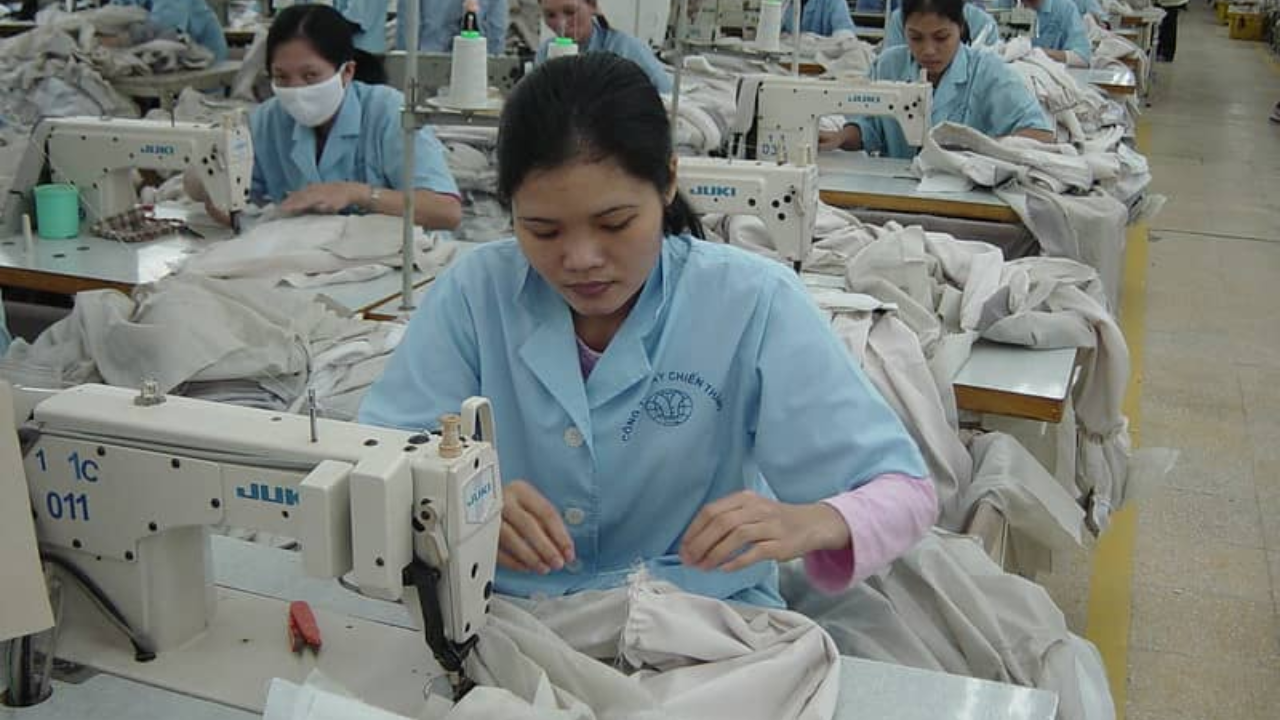
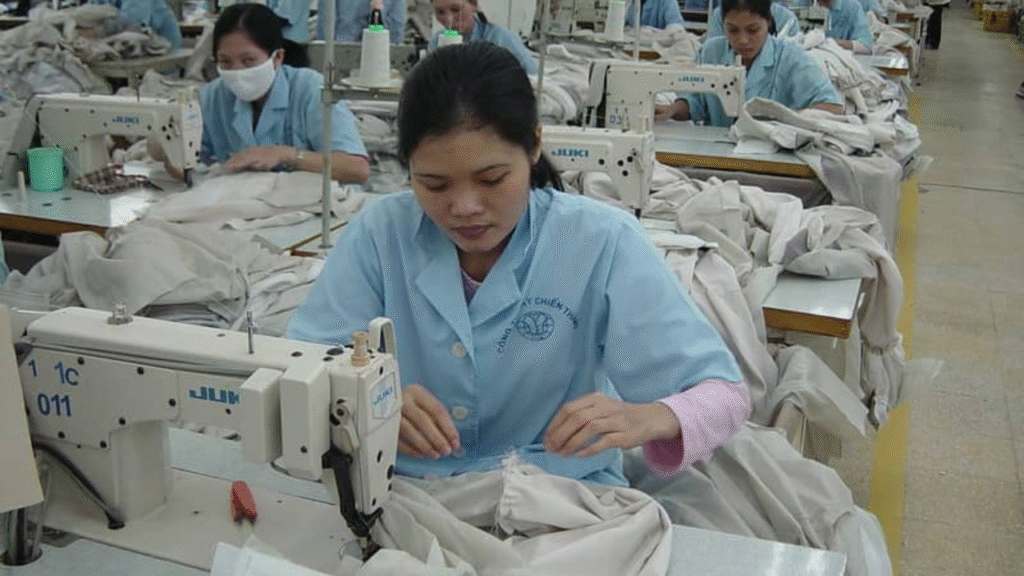
Workplace health, safety, and ergonomics form the foundation of responsible textile production in Costa Rica. The importance of safe environments has increased as factories adopt faster machinery, digital systems, and new materials. Sector leadership and national regulations encourage firms to minimise risks, protect workers, and ensure comfortable and productive spaces. Focus on prevention, training, and modern ergonomics now shapes everyday working conditions across textile units.
Meaning of Health and Safety in Textile Units
Health and safety include all preventive measures taken to protect workers from injuries, long-term health problems, and workplace hazards.
Key Elements
- Risk identification for chemicals, machinery, noise, and dust
- Protective equipment covering gloves, masks, goggles, and hearing protection
- Safe operating procedures for cutting, stitching, dyeing, and finishing
- Emergency systems for fire, electrical faults, or chemical spills
- Regular inspections by supervisors and external auditors
- Clean work environments free from clutter, spills, and fabric waste
Costa Rican laws require textile firms to comply with national occupational health standards.
Common Risks in Textile Production
Textile operations involve several potential hazards that must be addressed proactively. Major Workplace Risks
- Chemical exposure during dyeing, printing, washing, and finishing
- Noise exposure from high-speed sewing machines and fabric cutting machines
- Dust and lint from natural fibres and synthetic threads
- Repetitive motion injuries from stitching, folding, and packing tasks
- Heat exposure in dye houses and pressing units
- Slip and trip risks due to fabric pieces or water on floors
- Electrical risks associated with heavy machinery
Firms in Costa Rica must implement strict control measures to reduce these hazards.
Ergonomics as a Core Workplace Priority
Ergonomics ensures that workstations fit the worker’s body and reduce stress on muscles and joints.
Key Ergonomic Elements
- Adjustable chairs with lumbar support
- Proper table height for cutting and stitching
- Adequate lighting to prevent eye strain
- Anti-fatigue mats for standing workstations
- Rotation of tasks to avoid repetitive strain injuries
- Training on posture to reduce back, neck, and shoulder pain
- Break schedules that prevent fatigue
Good ergonomics improves both comfort and productivity.
Role of CATECO in Promoting Health and Ergonomics
CATECO helps textile firms meet high health and safety standards.
CATECO Contributions
- Industry workshops on safe machinery operation
- Guidelines for chemical storage, ventilation, and waste handling
- Ergonomic training for machine operators and supervisors
- Partnerships with health experts for workplace assessments
- Safety audits to identify risks and corrective actions
- Awareness programs on posture, lifting, and fatigue prevention
CATECO’s leadership creates a consistent safety culture across the industry.
Safety Training and Worker Education
Training helps workers understand risks and how to avoid them.
Key Training Areas
- Chemical handling with proper protective gear
- Machinery operation, including emergency stops
- Fire safety drills and evacuation routes
- First aid awareness for injuries and accidents
- Personal hygiene to reduce infection risks
- Ergonomic behaviour involving proper posture and movement
Regular training reduces workplace accidents significantly.
Chemical Safety in Dyeing and Finishing Units
Chemical management is essential for protecting workers and the environment.
Chemical Safety Measures
- Labelling of all chemical containers as per regulations
- Ventilation systems near dyeing and printing areas
- Temperature control in chemical rooms
- Spill kits are available at all chemical stations
- Separate storage zones for reactive dyes, acids, and solvents
- Training on safe mixing of dyes and auxiliaries
Proper chemical safety ensures compliance with national and international standards.
Machine Safety and Maintenance
Safe machinery reduces risks of injury and production downtime.
Key Machine Safety Elements
- Machine guards on needles, blades, and rollers
- Automatic shut-off systems during overload or malfunction
- Regular maintenance to prevent sudden breakdowns
- Lockout procedures before electrical repair
- Clean wiring to avoid electrical hazards
- Operator training for safe speed and pressure controls
Consistent maintenance is necessary for preventing accidents.
Emergency Preparedness and Response
Preparedness for emergencies saves lives and protects property.
Emergency Measures
- Fire extinguishers are placed near all production zones
- Sprinkler systems in high-risk areas
- Marked evacuation routes throughout the factory
- Alarm systems for fire, chemical spills, or electrical faults
- First-aid stations with trained responders
- Emergency contact lists are displayed clearly
Emergency readiness reflects a mature workplace safety culture.
Key Health and Safety Elements in Textile Factories
| Health & Safety Area | Description |
|---|---|
| Chemical Safety | Involves proper storage, ventilation, spill response, and worker protection. |
| Machine Safety | Includes guards, shut-off systems, maintenance, and safe operation training. |
| Fire Safety | Covers extinguishers, alarms, sprinkler systems, and evacuation plans. |
| Noise Control | Uses ear protection, noise-reduction materials, and machine placement. |
| Dust Management | Handles fibre dust and lint through extraction systems and regular cleaning. |
Ergonomic Improvements in Textile Workplaces
| Ergonomic Area | Improvement |
|---|---|
| Seating | Adjustable chairs with back support for sewing and inspection tasks. |
| Workstation Design | Proper table height and workstation spacing to reduce strain. |
| Lighting | Bright, even lighting to reduce eye fatigue. |
| Movement | Task rotation and micro-breaks to avoid fatigue and repetitive stress. |
| Flooring | Anti-fatigue mats for standing areas to reduce foot and leg strain. |
Workplace Monitoring and Continuous Improvement
Monitoring ensures long-term improvement and accountability.
Monitoring Methods
- Safety inspections are conducted weekly or monthly
- Air-quality tests for dust and chemical fumes
- Noise-level measurements in sewing and cutting rooms
- Worker feedback systems to report discomfort or hazards
- Ergonomic assessments for adjusting workstation layout
- Accident logs monitored for prevention strategies
Continuous improvement helps maintain safe environments.
Future Directions for Health and Ergonomics in Costa Rican Textiles
Future improvements will involve more technology and better organizational systems.
Expected Trends
- Digital monitoring tools for noise, temperature, and air quality
- Smart machinery designed with built-in safety sensors
- Wearable devices tracking posture and worker fatigue
- Automated material handling reduces heavy lifting
- Ergonomic redesign of workspaces based on new research
- Greater training programs through CATECO partnerships
Innovation will support long-term worker health.
The Way Forward
Health, safety, and ergonomics in Costa Rica’s textile sector demonstrate a strong commitment to worker protection and responsible production. Firms increasingly embrace safer machinery, better chemical management, and modern ergonomic practices that enhance comfort and productivity. Continued investment in training, monitoring, and new technologies will help the sector maintain high standards and support sustainable growth.