
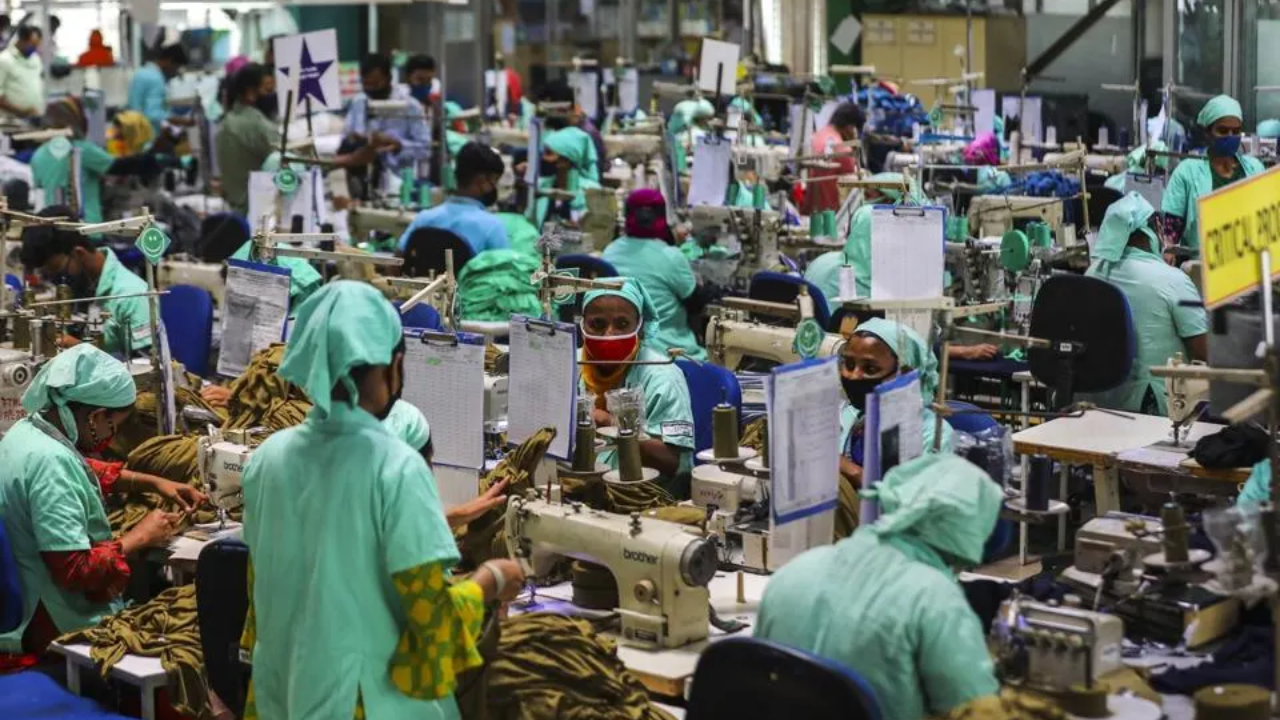
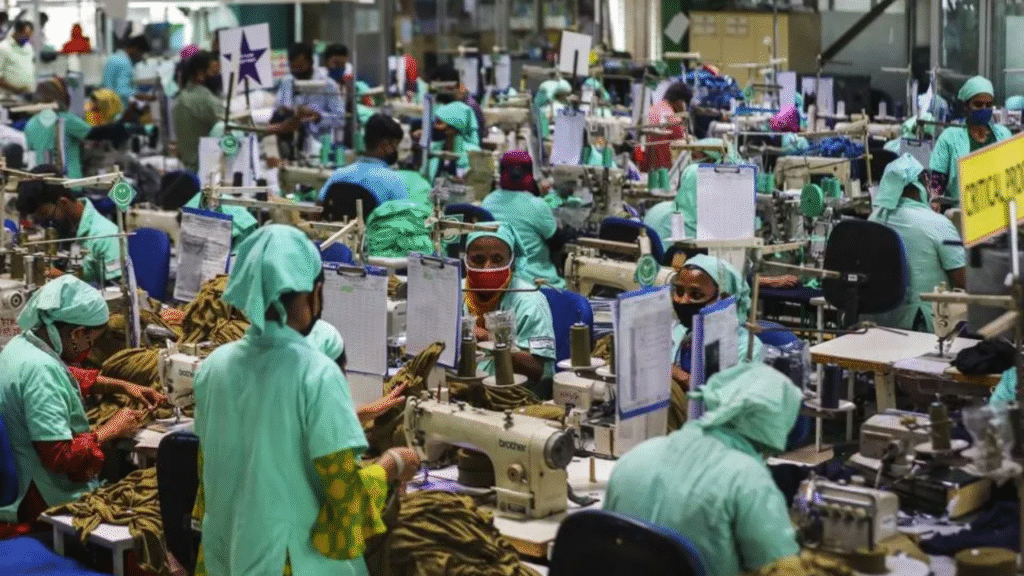
Digital and on-demand textile manufacturing is revolutionizing the apparel and textile industry. By integrating digital technologies, automation, and flexible production systems, manufacturers can produce fabrics and garments with precision, speed, and minimal waste. This approach aligns with sustainability goals while catering to fast-changing consumer preferences. This article explores the trends, technologies, and impacts of digital and on-demand textile manufacturing in modern industry practices.
Industry Overview
Digital Textile Manufacturing Snapshot
| Aspect | Insight |
|---|---|
| Definition | Production driven by digital design and on-demand orders |
| Key Drivers | Customization, sustainability, speed-to-market |
| Primary Users | Fashion brands, textile manufacturers, SMEs |
| Core Benefits | Reduced inventory, minimized waste, faster delivery |
Digital manufacturing replaces traditional batch production with a responsive system. Instead of large inventories, production aligns with actual demand, reducing excess stock and enabling rapid adjustments to market trends.
Digital Design Integration
Digital textile manufacturing relies on software-driven design processes. Computer-aided design (CAD) and digital printing technologies allow designers to visualize patterns, colors, and textures before production.
This digital workflow improves accuracy, reduces errors, and enables creative experimentation. Brands can rapidly prototype new designs and respond to consumer feedback without costly physical trials.
On-Demand Production Models
On-demand production allows fabrics and garments to be manufactured only when ordered. This reduces storage costs, limits unsold inventory, and decreases environmental impact.
Brands using on-demand systems can offer personalized products and limited editions, creating unique market offerings. This model also supports smaller batch sizes without sacrificing efficiency or quality.
Sustainability Implications
By producing only what is needed, on-demand manufacturing significantly reduces waste. Excess textiles, unsold garments, and resource-intensive overproduction are minimized.
Combined with digital printing and optimized cutting systems, these practices also conserve water, energy, and raw materials, supporting eco-friendly operations across the supply chain.
Automation And Advanced Machinery
Automation is central to digital textile manufacturing. Cutting machines, digital printers, and sewing robotics increase precision, speed, and consistency.
Advanced machinery enables flexible production layouts that adapt to changing orders. This efficiency reduces labor costs while maintaining high-quality output.
Customization And Consumer Experience
Digital and on-demand manufacturing empowers brands to offer highly customized products. Consumers can select colors, patterns, or sizing, enhancing engagement and brand loyalty.
Customization strengthens competitiveness and supports a shift from mass production to personalized, high-value offerings in fashion and textiles.
Market Trends And Adoption
The adoption of digital and on-demand methods is growing globally. Both established brands and emerging players are investing in digital workflows to stay agile and responsive.
Emerging markets are also embracing on-demand textile production, leveraging technology to bypass traditional large-scale infrastructure, reduce lead times, and improve market responsiveness.
Challenges
While benefits are significant, challenges exist. Initial investment in digital machinery and software can be high. Supply chain adaptation and workforce training are also critical for successful implementation.
Ensuring quality control in small-batch, high-speed production requires careful management. Brands must balance technology adoption with operational efficiency.
Summing Up
Digital and on-demand textile manufacturing represents a major shift toward responsive, sustainable, and consumer-centric production. By leveraging technology and flexible workflows, the industry can reduce waste, enhance efficiency, and meet modern market demands with agility and precision.
FAQ
Q: What is digital and on-demand textile manufacturing?
A: A production system that uses digital design and produces textiles only when ordered, minimizing waste.
Q: How does it benefit sustainability?
A: By reducing inventory, conserving resources, and minimizing overproduction.
Q: What challenges do manufacturers face?
A: High initial investment, workforce training, and maintaining quality in small-batch production.