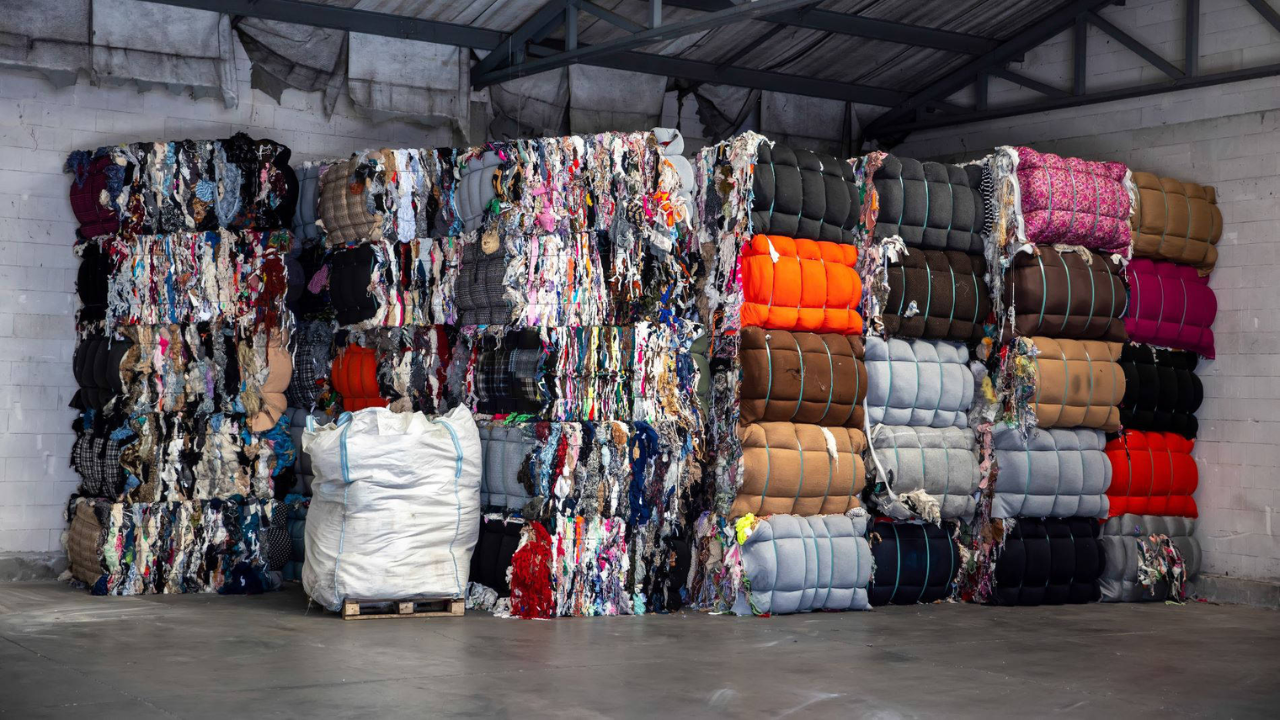
The global textile industry is undergoing a transformative shift toward circular economy practices and innovative recycling methods. Fast fashion, overproduction, and waste have created significant environmental challenges, prompting manufacturers, designers, and policymakers to adopt sustainable strategies. Textile recycling innovations are central to reducing waste, conserving resources, and enabling a closed-loop system in fashion and apparel production.
Overview Of Circular Economy In Textiles
| Aspect | Insight |
|---|---|
| Definition | Reuse, recycle, and regenerate materials to reduce waste |
| Key Drivers | Environmental awareness, regulations, consumer demand |
| Core Benefits | Waste reduction, resource efficiency, cost savings |
| Industry Focus | Apparel, footwear, home textiles |
Circular economy in textiles emphasizes designing products with reuse and recyclability in mind. Unlike linear models, which follow “take, make, dispose,” circular practices aim to extend product life cycles and extract maximum value from materials.
Textile Recycling Technologies
Textile recycling methods have advanced significantly, allowing the separation and processing of fibers for reuse in new products. Mechanical recycling breaks down fabrics into fibers, which can be re-spun into yarn, while chemical recycling converts synthetic or blended materials back into raw polymers for fresh production.
Innovative approaches, such as enzyme-based fiber recovery and solvent-assisted recycling, enable higher-quality outputs, making recycled textiles more competitive with virgin materials. These advancements are key to scaling circular practices in the industry.
Sustainable Material Integration
The circular economy encourages integrating recycled fibers with sustainable materials. Combining organic cotton, recycled polyester, or regenerated cellulose creates fabrics that reduce environmental footprint while maintaining quality and performance.
This integration supports both fashion and industrial textile markets, providing manufacturers with alternatives to resource-intensive virgin inputs. Consumer demand for eco-conscious products further incentivizes adoption.
Corporate Initiatives And Industry Adoption
Major apparel brands and textile manufacturers are incorporating recycling programs into production strategies. Closed-loop initiatives, take-back schemes, and partnerships with recycling firms help divert textiles from landfills and reintroduce materials into supply chains.
These programs also enhance brand reputation and align with sustainability commitments, appealing to environmentally aware consumers. Companies that innovate in recycling methods gain both ecological and economic advantages.
Policy And Regulatory Influence
Government regulations and sustainability frameworks are accelerating adoption. Policies promoting recycling, extended producer responsibility, and waste reduction provide incentives for circular practices.
Regulatory support ensures standardization in recycling processes, quality control, and traceability, enabling wider market acceptance for recycled textiles. Such frameworks encourage both compliance and innovation in materials management.
Consumer Awareness And Demand
Increasing consumer awareness is driving demand for circular products. Eco-conscious buyers prefer recycled or sustainably produced clothing, pushing brands to adopt circular practices.
Transparency through labeling, certifications, and reporting enhances trust and encourages repeat engagement, creating a market incentive for textile recycling innovations.
Economic And Environmental Impact
Circular textile practices reduce landfill waste, conserve water and energy, and lower greenhouse gas emissions. Economically, recycling initiatives create new jobs, supply chain opportunities, and cost savings from material efficiency.
Over time, these benefits contribute to a resilient, sustainable textile sector capable of supporting both industry growth and environmental stewardship.
Future Trends In Textile Recycling
Emerging trends include automated sorting technologies, AI-driven material identification, and hybrid recycling systems that combine mechanical and chemical processes. Innovations in biodegradable and recyclable fibers further complement circular economy goals.
Collaborations between designers, manufacturers, and technology providers are expected to expand, making closed-loop systems more scalable and cost-effective.
Challenges And Opportunities
Challenges include technical limitations in recycling blended fabrics, high initial investment for recycling infrastructure, and variable material quality. Addressing these issues requires research, collaboration, and investment in innovative processes.
Opportunities lie in scaling recycling technologies, creating secondary markets for recycled fibers, and establishing circular supply chains that enhance profitability and sustainability.
Final Thoughts
Circular economy practices and textile recycling innovations are redefining the fashion and textile industry. By combining advanced recycling technologies, sustainable material integration, and industry-wide adoption, the sector can reduce environmental impact while fostering economic growth. These developments position textiles for a more sustainable, resource-efficient future.
FAQ
Q: What is the main goal of the circular economy in textiles?
A: To minimize waste and maximize material reuse throughout product life cycles.
Q: Which recycling methods are most innovative in the textile industry?
A: Chemical recycling, enzyme-based fiber recovery, and solvent-assisted recycling.
Q: How do circular practices benefit the environment and economy?
A: They reduce landfill waste, conserve resources, lower emissions, and create new business opportunities.