Textile Recycling and Upcycling in Costa Rica: Emerging Trends

Textile recycling and upcycling represent a fast-growing movement within Costa Rica’s sustainability landscape. Rising environmental awareness, pressure from global buyers, and national green policies push the textile sector to rethink how fabrics, garments, and industrial scraps are used. Costa Rican manufacturers, designers, and recycling startups respond by developing creative, efficient, and eco-friendly solutions to reduce … Read more

Localizing Textile Supply Chains: Benefits for Costa Rica’s Economy

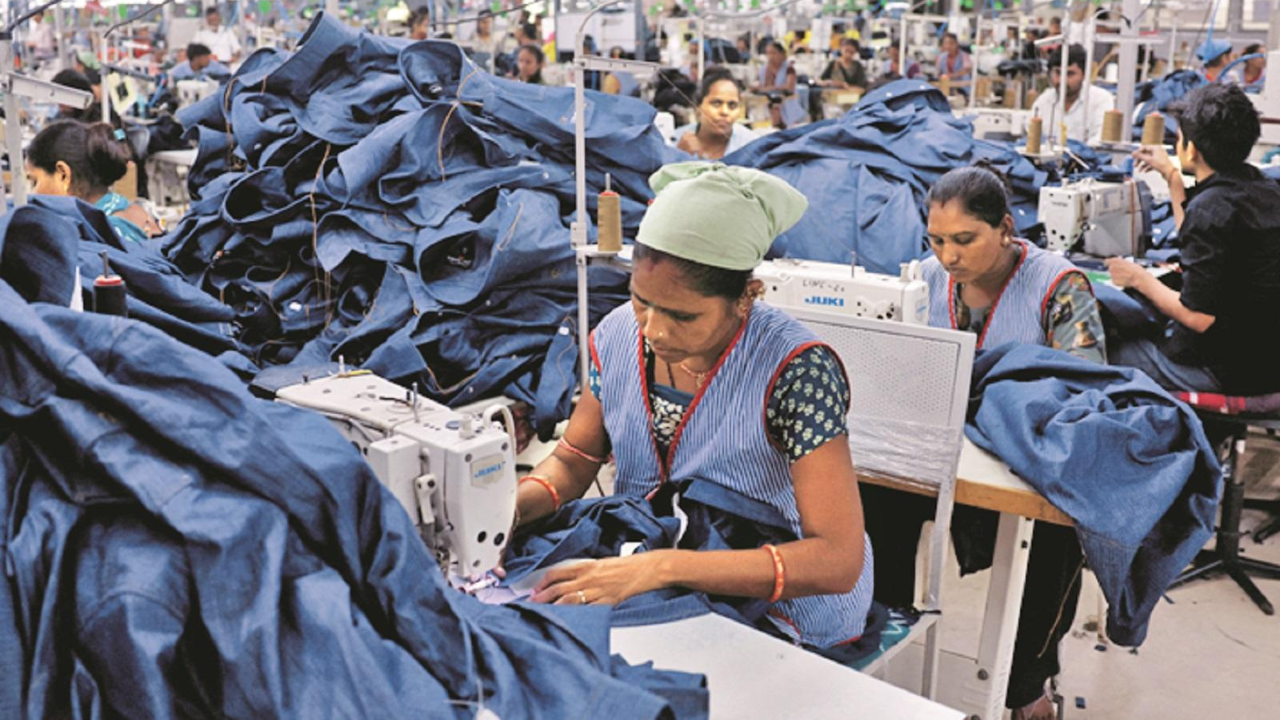
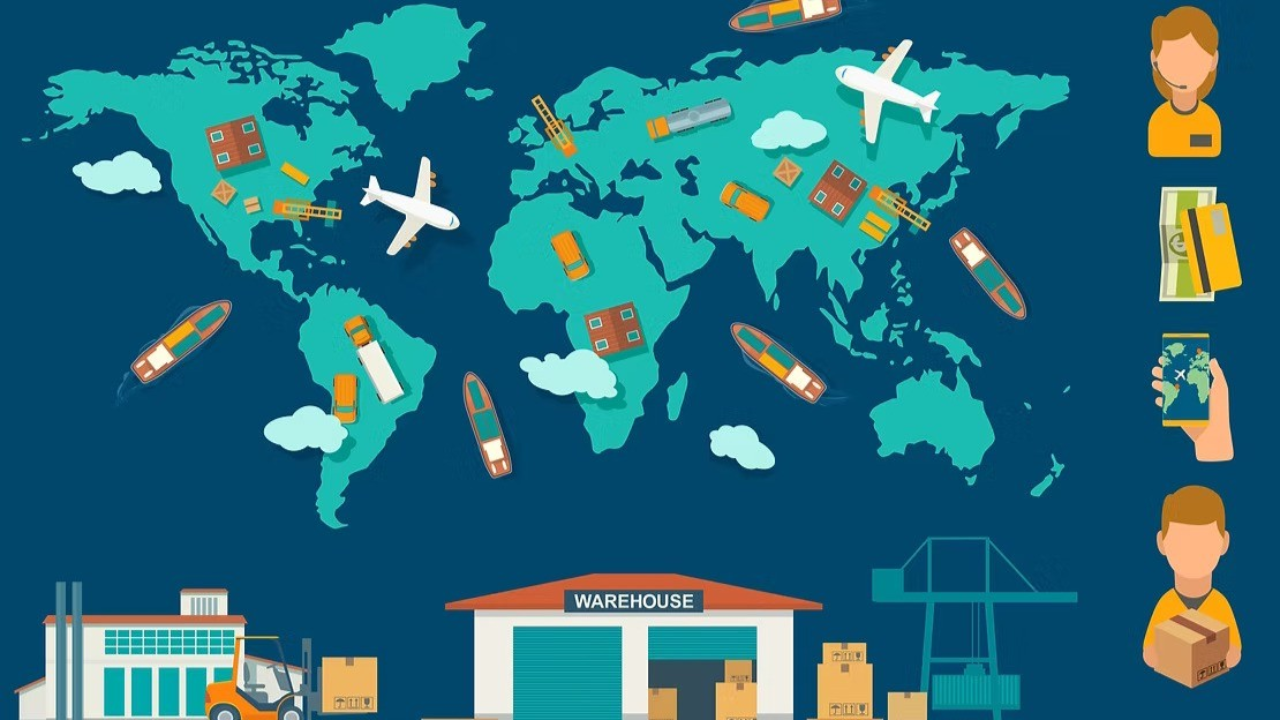
Localizing textile supply chains creates new opportunities for Costa Rica’s economy at a time when global markets demand speed, transparency, and environmental responsibility. Costa Rican manufacturers, retailers, and designers increasingly see value in sourcing materials, skills, and services from within the country instead of depending on foreign suppliers. Local supply networks strengthen industry resilience, build … Read more

African American Health Disparities and Access to Care

African American communities in the United States face persistent health disparities, with higher rates of chronic diseases, limited access to quality healthcare, and systemic barriers that affect overall well-being. Addressing these disparities requires comprehensive strategies that combine healthcare reform, community-based programs, and policy interventions. Understanding the underlying causes is crucial to promoting equity in health … Read more

The Role of Historically Black Colleges and Universities (HBCUs)

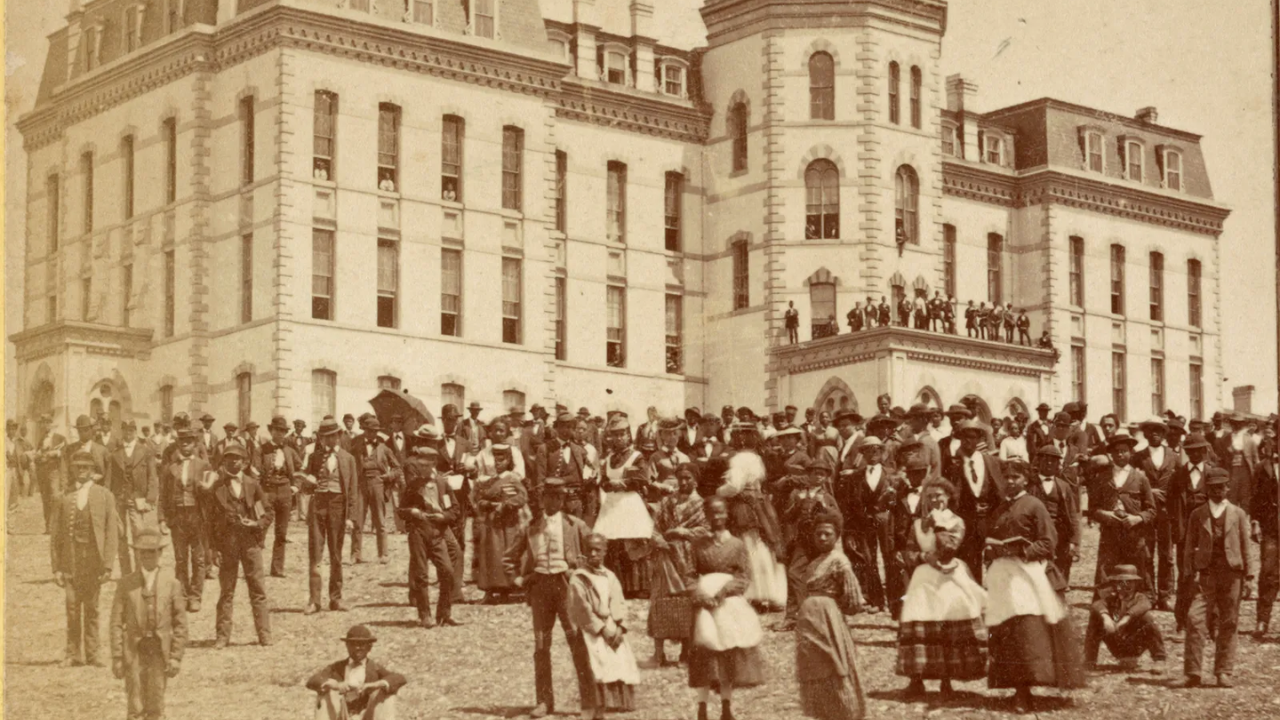
Historically Black Colleges and Universities (HBCUs) have played a critical role in providing higher education opportunities for African Americans, particularly during periods when racial segregation barred access to many mainstream institutions. These colleges have been essential in promoting academic excellence, leadership development, and social mobility, while fostering cultural pride and community empowerment. Historical Significance Historical … Read more

Challenges Facing Textile Producers in Costa Rica: Imports, Competition & Regulation

Pressure on Costa Rica’s textile industry has intensified as global competition, rising imports, and regulatory constraints reshape the market. Sector vulnerability has become more visible as manufacturers navigate high operating costs, strict compliance rules, and the challenge of differentiating themselves from low-cost suppliers abroad. Industry resilience now depends on strategic adaptation, innovation, and alignment with … Read more

The Impact of Free Trade Agreements on Costa Rica’s Textile Industry (with Reference to Past CAFTA Concerns)

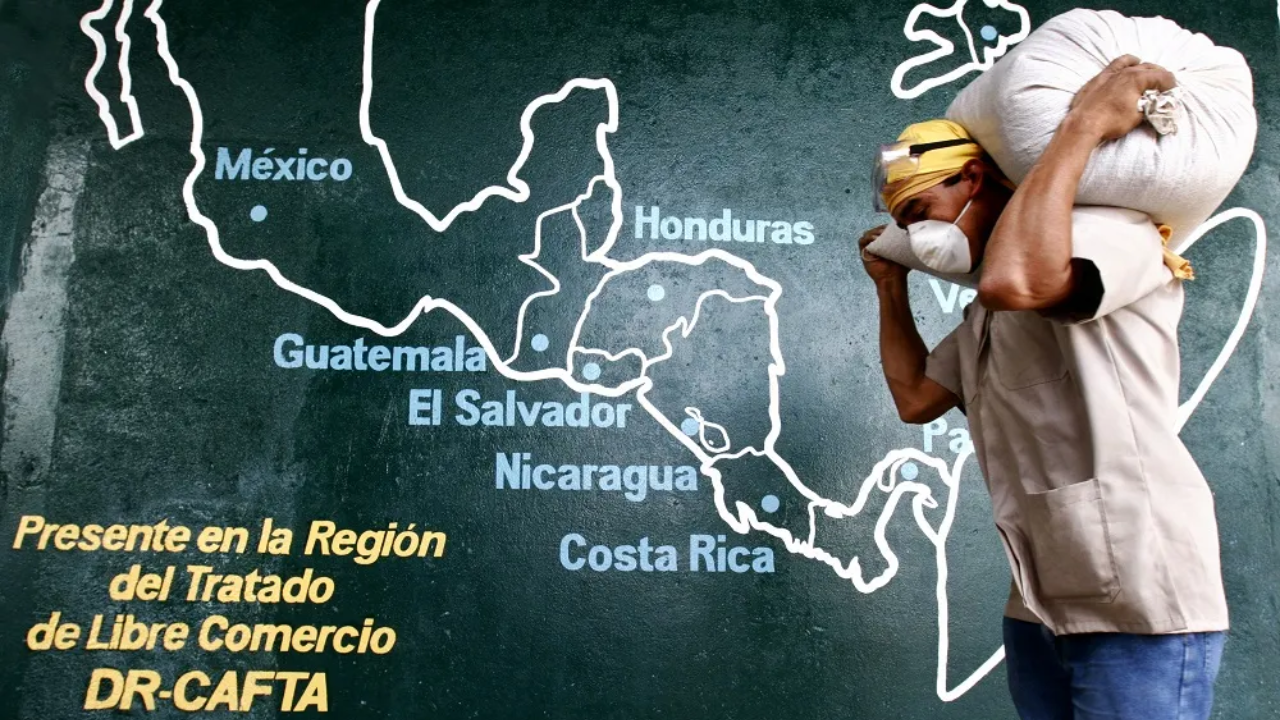
A shifting trade environment reshaped Costa Rica’s textile sector as new agreements altered tariff structures, sourcing rules, and competitive conditions. A changing policy landscape also revived old debates, including earlier concerns linked to CAFTA’s approval period. Pre-Agreement Conditions Shaping Later Outcomes A transitional policy phase existed before major free-trade arrangements created long-term structural changes. Transformation … Read more

Textile Trade Compliance & Smuggling: How CATECO is Responding

A complex regulatory environment shapes the reality of textile producers in Costa Rica, especially as illicit imports and non-compliant shipments affect pricing, market stability, and competitiveness. A growing concern for legitimate manufacturers is the rise in smuggling activities and the misuse of trade incentives, which distort market conditions. A coordinated response from CATECO now plays … Read more

Supply-chain Innovation in Costa Rican Textiles: Sustainability, Local Inputs, and Value Addition

A renewed focus on supply-chain modernization now shapes the textile sector in Costa Rica as manufacturers seek greater efficiency, resilience, and ecological responsibility. A strategic shift toward sustainability encourages the adoption of cleaner processes, local sourcing, and advanced value-addition techniques that strengthen competitiveness. A forward-looking approach drives factories to rethink procurement, production flow, and product … Read more

Black-Owned Businesses and Their Impact on Local Economies

Black-owned businesses have historically played a vital role in shaping local economies, promoting community resilience, and creating opportunities for economic empowerment. By providing jobs, goods, and services, these businesses contribute not only to economic growth but also to social development within their communities. Supporting Black entrepreneurs strengthens economic equity and fosters community pride. Economic Significance … Read more

Legal and Supply Chain Disruption in the Textile Sector

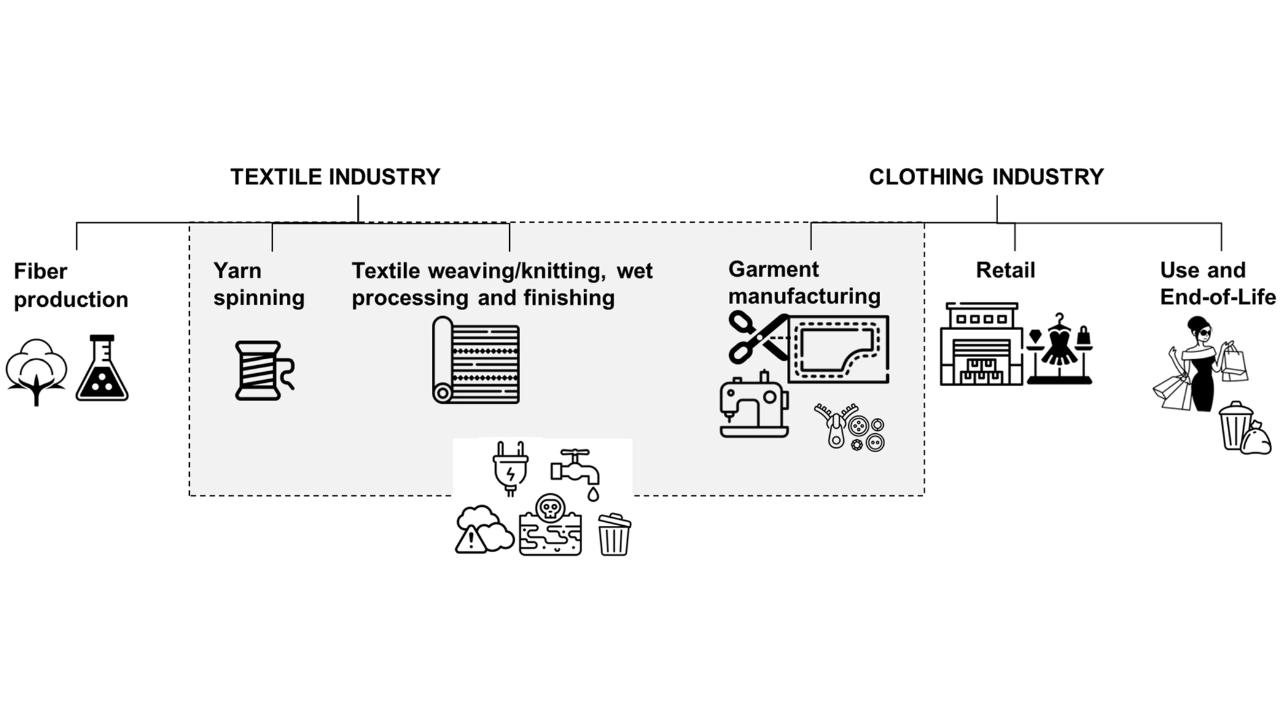
The textile sector faces growing challenges from both legal regulations and supply chain disruptions. Rising compliance requirements, trade restrictions, and environmental laws intersect with logistical delays, raw material shortages, and labor challenges. Businesses must navigate these issues carefully to maintain operations, profitability, and competitiveness in global markets. This article explores key legal factors, supply chain … Read more