The Future of Human Rights Legislation in the U.S.
Human rights legislation in the United States has evolved over decades to protect civil liberties, equality, and social justice. As society faces new challenges, including technology-driven privacy concerns, systemic inequality, and global migration, future legislation must address emerging issues while strengthening existing protections. Anticipating these changes ensures that all Americans have access to fundamental rights … Read more

Scholarships and Support Programs for Minority Students

Scholarships and support programs are crucial for promoting educational equity and access for minority students in the United States. These initiatives help bridge the financial, social, and academic gaps that many students from marginalized communities face. By providing financial aid, mentorship, and academic resources, scholarships and support programs empower minority students to pursue higher education, … Read more

Digital & On‑Demand Textile Manufacturing

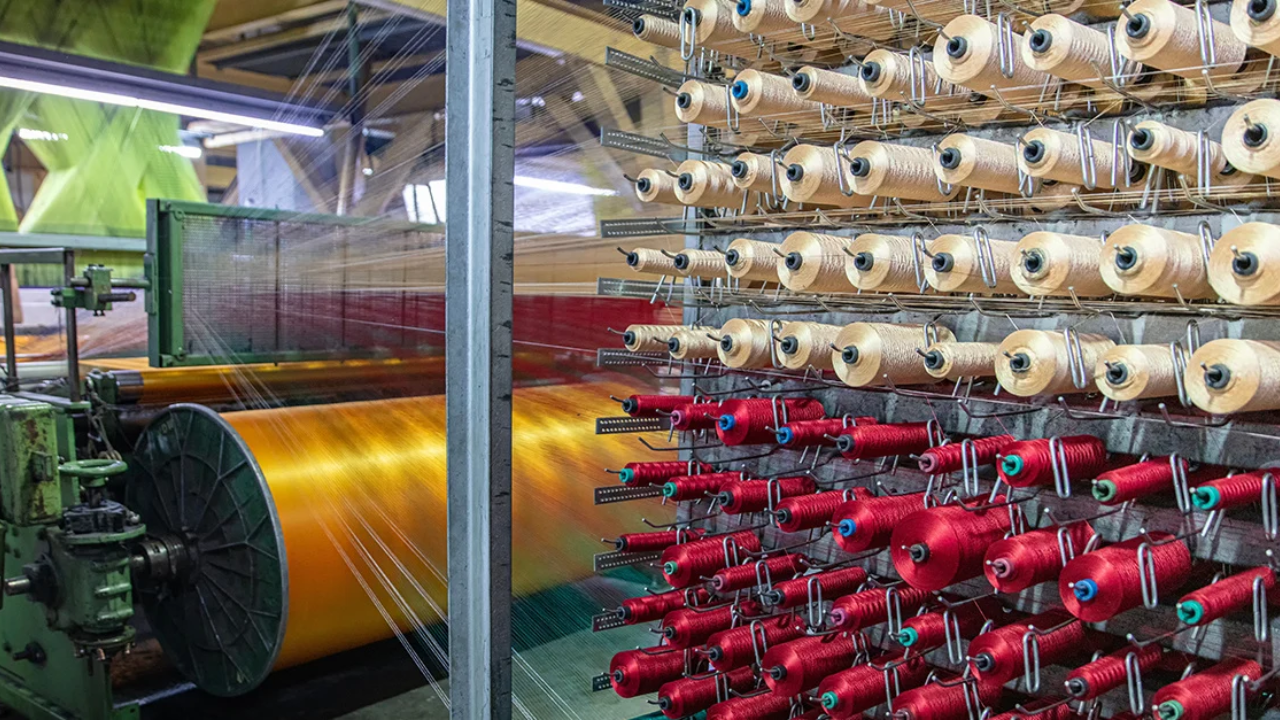
Digital and on-demand textile manufacturing is revolutionizing the apparel and textile industry. By integrating digital technologies, automation, and flexible production systems, manufacturers can produce fabrics and garments with precision, speed, and minimal waste. This approach aligns with sustainability goals while catering to fast-changing consumer preferences. This article explores the trends, technologies, and impacts of digital … Read more

Workforce Development in Costa Rica’s Textile Sector: The Role of CATECO

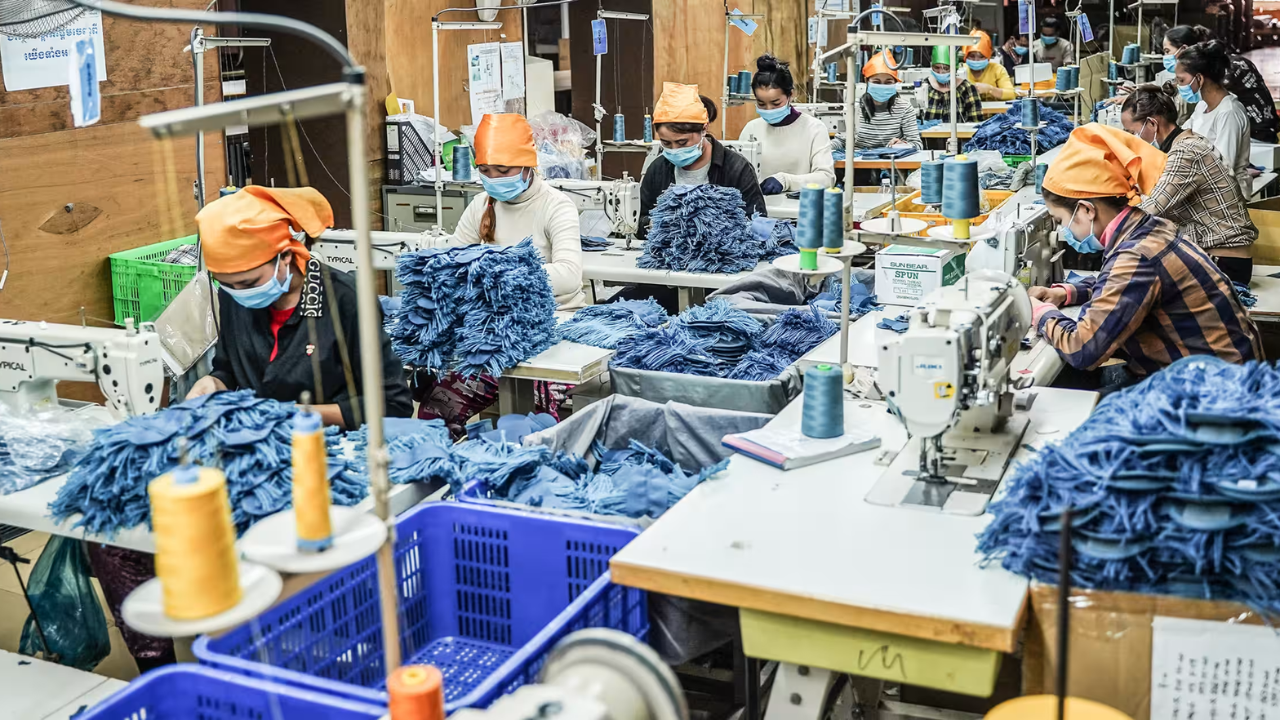
Workforce development in Costa Rica’s textile sector shows how skills, training, and industry collaboration shape long-term competitiveness. Industry growth depends heavily on the preparation of workers who manage machinery, design products, adopt sustainable practices, and maintain global quality standards. CATECO, the national textile and clothing chamber, plays a central role in improving talent pipelines, connecting … Read more

Training and Skills Gaps in Textile Manufacturing in Costa Rica

Training and skills development play a central role in strengthening Costa Rica’s textile manufacturing sector. Industry growth depends on workers who understand modern machinery, sustainable production, digital tools, and quality standards. Skills gaps appear when workers do not receive updated training or when new technologies enter the industry faster than workers can adapt. Balanced investment … Read more

Circular Economy & Textile Recycling Innovations

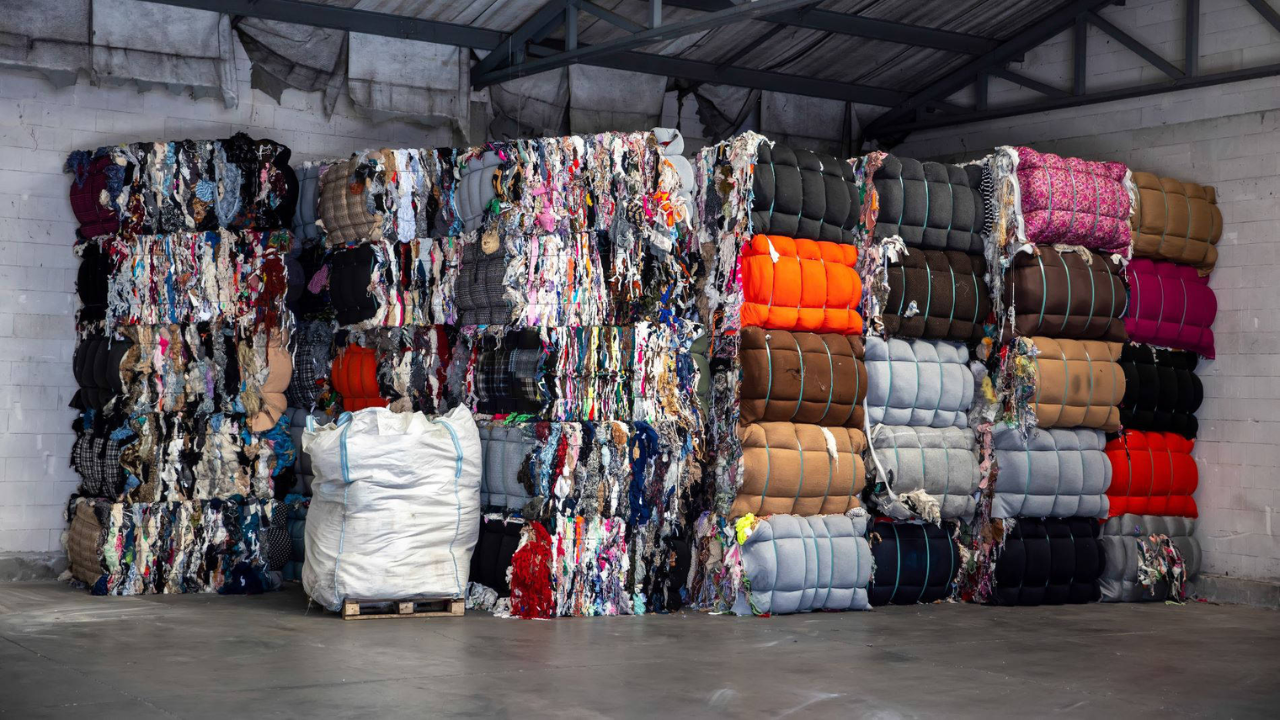
The global textile industry is undergoing a transformative shift toward circular economy practices and innovative recycling methods. Fast fashion, overproduction, and waste have created significant environmental challenges, prompting manufacturers, designers, and policymakers to adopt sustainable strategies. Textile recycling innovations are central to reducing waste, conserving resources, and enabling a closed-loop system in fashion and apparel … Read more

Automation vs. Human Labour in Textile Plants in Costa Rica: A Balanced View

The debate about automation and human labour now shapes the future of Costa Rica’s textile industry. Sector growth depends on a smart combination of digital tools and skilled workers, not on replacing one with the other. Balanced integration of automated systems, manual craftsmanship, and semi-digital processes supports productivity while protecting employment and economic stability. Industry … Read more

Health, Safety and Ergonomics in Textile Work Environments in Costa Rica

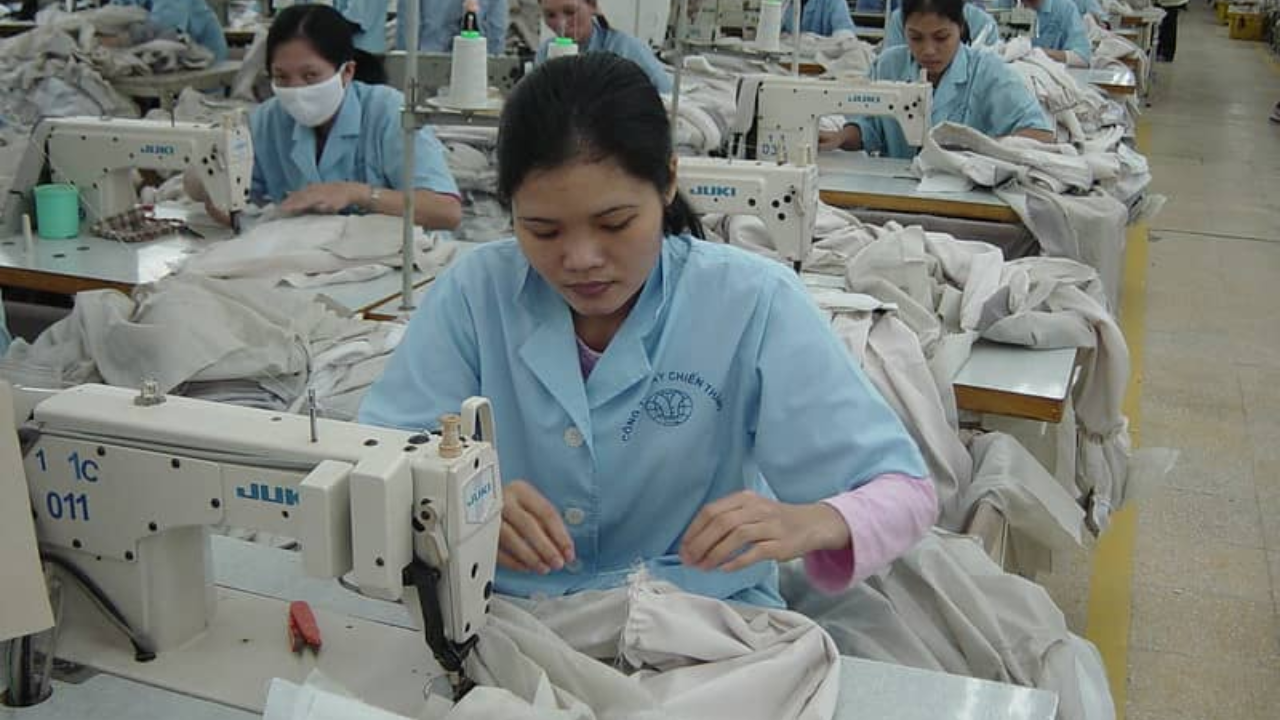
Workplace health, safety, and ergonomics form the foundation of responsible textile production in Costa Rica. The importance of safe environments has increased as factories adopt faster machinery, digital systems, and new materials. Sector leadership and national regulations encourage firms to minimise risks, protect workers, and ensure comfortable and productive spaces. Focus on prevention, training, and … Read more

Corporate Social Responsibility (CSR) in Costa Rican Textile Firms

CSR in Costa Rican textile firms reflects a long-term commitment to ethical production, worker welfare, and environmental care. The importance of responsible manufacturing grows as global buyers expect transparency in labour conditions, sourcing, and sustainability practices. Sector-wide efforts are supported by national values, export requirements, and industry associations like CATECO, which guide firms in adopting … Read more

Gender Equity and Workforce Composition in the Costa Rican Textile Industry

Gender equity in the Costa Rican textile industry reflects a broader national commitment to fairness, inclusion, and sustainable development. Workforce dynamics in textile production reveal a strong presence of women, growing opportunities for leadership roles, and emerging efforts to improve working conditions. Costa Rican factories, training institutions, and industry associations such as CATECO work together … Read more