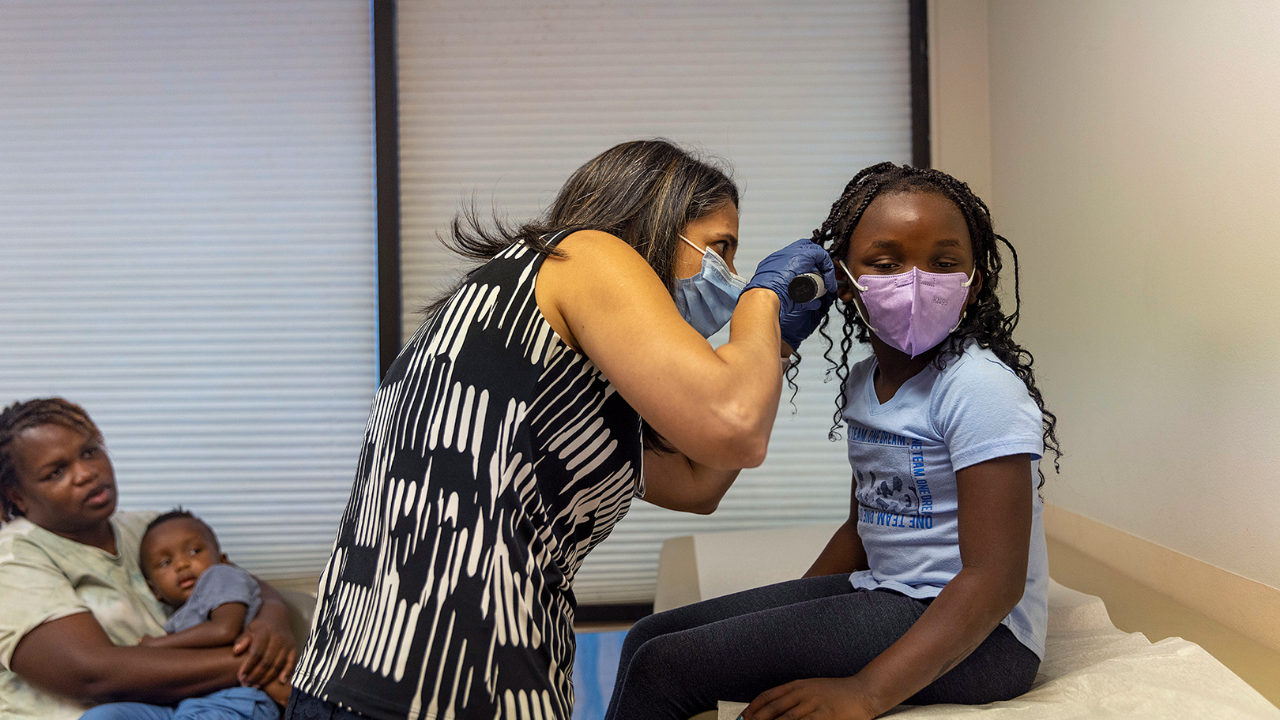
African American communities in the United States face persistent health disparities, with higher rates of chronic diseases, limited access to quality healthcare, and systemic barriers that affect overall well-being. Addressing these disparities requires comprehensive strategies that combine healthcare reform, community-based programs, and policy interventions. Understanding the underlying causes is crucial to promoting equity in health outcomes.
Key Health Disparities
Chronic diseases: Higher prevalence of hypertension, diabetes, obesity, and heart disease among African Americans.
Infant and maternal mortality: Elevated rates of infant mortality and maternal complications compared to other populations.
Mental health: Limited access to mental health services and higher stress levels due to socioeconomic factors.
Preventive care: Lower rates of routine screenings, vaccinations, and early detection services.
Life expectancy gaps: Overall life expectancy is lower due to systemic healthcare inequities.
Health Disparities in African American Communities
Health Issue
Impact
Chronic Diseases
Higher rates of diabetes, hypertension, obesity, and cardiovascular disease.
Infant & Maternal Mortality
Elevated risk during pregnancy and childbirth.
Mental Health
Limited access to counseling and higher prevalence of stress-related conditions.
Preventive Care
Lower utilization of screenings, vaccinations, and early interventions.
Life Expectancy
Reduced average lifespan due to systemic healthcare disparities.
Factors Contributing to Disparities
Socioeconomic inequality: Poverty, unemployment, and limited education impact health outcomes.
Systemic racism: Structural barriers in healthcare create unequal access and treatment.
Geographic barriers: Urban and rural communities may lack nearby medical facilities.
Insurance coverage gaps: Lack of health insurance reduces access to essential services.
Cultural and linguistic barriers: Mistrust in the healthcare system and language differences affect care delivery.
Contributing Factors
Factor
Description
Socioeconomic Inequality
Poverty, unemployment, and education gaps limit access to care.
Systemic Racism
Discrimination and bias affect quality and accessibility of healthcare.
Geographic Barriers
Lack of nearby healthcare facilities in certain urban and rural areas.
Insurance Gaps
Many individuals lack coverage for essential medical services.
Cultural & Linguistic Barriers
Mistrust of healthcare providers and communication issues reduce care utilization.
Access to Care Challenges
Healthcare deserts: Areas with limited hospitals, clinics, and medical professionals.
High costs: Out-of-pocket expenses and lack of affordable care prevent timely treatment.
Transportation issues: Limited public transit options make attending appointments difficult.
Workforce diversity: Shortage of culturally competent providers affects patient comfort and outcomes.
Policy limitations: Inconsistent state and federal healthcare policies can exacerbate disparities.
Access to Care Challenges
Challenge
Impact
Healthcare Deserts
Limited availability of hospitals, clinics, and medical professionals.
High Costs
Out-of-pocket expenses reduce timely care and treatment.
Transportation Issues
Difficulty reaching medical facilities for appointments.
Workforce Diversity
Shortage of culturally competent providers affects patient experience.
Telehealth services: Remote consultations improve access for underserved and rural communities.
Culturally competent care: Training healthcare providers to understand and respect cultural differences.
Public awareness campaigns: Educating communities about preventive care, nutrition, and mental health resources.
Strategies to Improve Access and Outcomes
Strategy
Description
Community Health Programs
Screenings, health education, and support services at the local level.
Policy Reform
Expand Medicaid, insurance coverage, and anti-discrimination protections.
Telehealth Services
Remote consultations to reach underserved populations.
Culturally Competent Care
Training providers to respect and understand cultural differences.
Public Awareness Campaigns
Promote preventive care, nutrition, and mental health knowledge.
Final Analysis
African American health disparities highlight the urgent need for equitable healthcare access. Addressing chronic diseases, maternal and infant mortality, and mental health requires comprehensive interventions that include community programs, policy reforms, and culturally competent care. By tackling systemic barriers and improving access to quality services, it is possible to reduce inequities, improve outcomes, and empower African American communities toward better health and well-being.