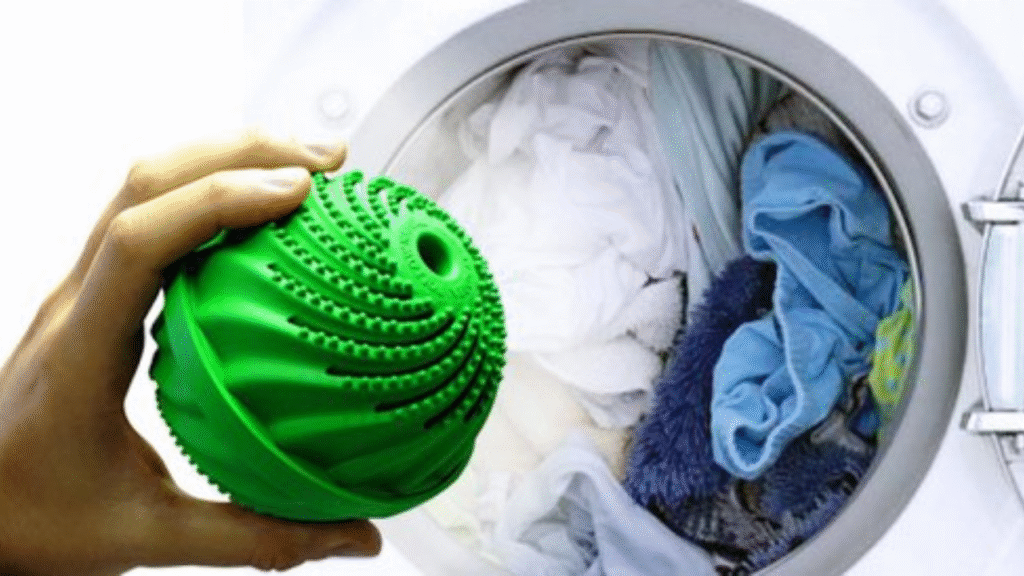
The textile industry is increasingly moving toward sustainable and eco-friendly practices, and natural rubber elastomer balls are emerging as a significant innovation in garment washing. These balls act as an alternative to traditional washing methods that rely heavily on abrasive stones and chemical detergents. They reduce water and energy use, preserve fabric quality, and minimize environmental impact, making textile production more sustainable.
Overview
| Feature | Impact on Garment Washing |
|---|---|
| Material | Made from natural rubber, biodegradable and non-toxic |
| Water Efficiency | Reduces water consumption compared to conventional washing |
| Energy Efficiency | Shorter wash cycles lower energy use |
| Fabric Preservation | Minimizes abrasion and maintains texture |
| Chemical Reduction | Decreases dependence on harsh detergents |
| Environmental Impact | Reduces pollution and promotes sustainable practices |
Material Advantages
Natural rubber is ideal for elasto balls due to its elasticity, durability, and eco-friendly properties:
- Biodegradable material ensures minimal environmental impact after disposal.
- Flexible and resilient, allowing repeated use without damage.
- Non-toxic, preventing harmful chemical leaching into water systems.
These properties make elasto balls a sustainable choice for industrial garment washing.
Reducing Water Usage
Water consumption is a major concern in garment production. Elasto balls help:
- Reduce water usage by 30–50%, depending on the washing process.
- Provide efficient mechanical action, requiring less water for cleaning.
- Support water conservation initiatives in textile factories.
Lower water use reduces costs and helps conserve vital resources.
Energy Efficiency
The elastic properties of elasto balls improve washing efficiency:
- Shorter wash cycles reduce machine operating time.
- Lower energy consumption due to optimized mechanical action.
- Compatibility with modern washing machines enhances performance.
This contributes to greener manufacturing while maintaining cleaning quality.
Fabric Preservation
Traditional washing techniques can damage fabrics through abrasion or harsh chemicals. Elasto balls:
- Provide gentle mechanical action that protects fabric fibers.
- Maintain color, texture, and garment shape.
- Are suitable for delicate fabrics that are sensitive to conventional washing.
Preserving garments reduces replacement frequency, promoting sustainability.
Reducing Chemical Usage
Elasto balls reduce reliance on detergents:
- Decrease the need for harsh chemicals in washing.
- Works well with eco-friendly or enzyme-based detergents.
- Minimize chemical effluent, reducing water pollution.
This supports cleaner industrial processes and aligns with environmental regulations.
Environmental Benefits
Using natural rubber elastomer balls offers several environmental advantages:
- Reduces water pollution from detergents.
- Cuts energy consumption, lowering carbon emissions.
- Biodegradable material ensures safe disposal after use.
These benefits make elasto balls an essential tool for sustainable textile production.
Implementation in Garment Factories
Successful adoption requires:
- Training operators to use the balls effectively.
- Adjusting machine parameters for optimal performance.
- Monitoring wash quality and efficiency to match or exceed traditional methods.
Proper integration ensures maximum benefit without compromising garment quality.
Challenges
Despite their advantages, elasto balls face some challenges:
- Initial cost may be higher than traditional methods.
- Durability must be ensured for repeated industrial use.
- Compatibility with all garment types needs testing.
Addressing these ensures smooth adoption in large-scale operations.
The Way Forward
Natural rubber elastomer balls provide a sustainable alternative for garment washing. They reduce water and energy use, preserve fabric quality, and lower chemical pollution. Adoption of these eco-friendly tools enables the textile industry to maintain high-quality production while supporting environmental sustainability.
Frequently Asked Questions
Q: What are elasto balls made of?
A: Natural rubber, which is biodegradable and non-toxic.
Q: Do they save water in garment washing?
A: Yes, they can reduce water usage by 30–50%.
Q: Can they replace detergents completely?
A: They reduce detergent use significantly but may not replace it entirely.