
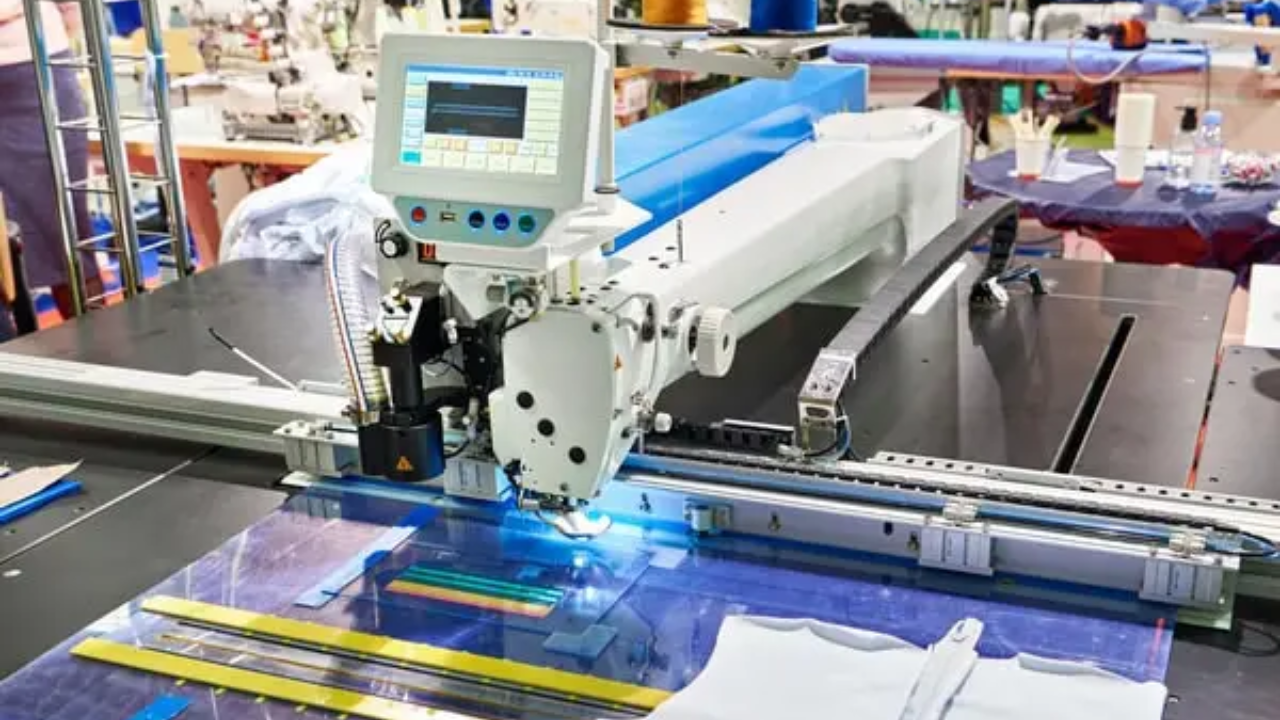
A rapid technological shift is transforming how Costa Rican textile factories operate, compete, and plan for the future. A growing dependence on automation reflects the industry’s commitment to quality, efficiency, and precision. A modern industrial landscape now prioritizes digital integration, smart machinery, and streamlined workflows to meet rising international standards and overcome traditional limitations.
Digital Transformation Reshaping Production
A decisive movement toward digitalization has redefined factory operations across the textile chain.
- Integration of software platforms that coordinate procurement, production, and delivery
- Real-time tracking of machine performance to reduce downtime
- Digital visualization tools are used to simulate fabric behavior before production
- Automated scheduling programs that optimize work orders and staffing
- Cloud-based storage systems supporting design files and technical specifications
A digital-first mindset enables faster decision-making, better cost control, and stronger consistency in product quality.
Automation of Cutting, Sewing, and Finishing
A wave of mechanization now supports the physical stages of textile production, replacing many repetitive manual tasks.
- Use of CNC cutting machines that reduce fabric waste
- Automated spreading systems ensure uniform fabric layers
- High-speed sewing robots are used for precise stitch patterns
- Robotic arms assisting with hem finishing and button attaching
- Laser-based finishing systems are improving accuracy in distressing and surface treatments
An efficiency-focused operational model increases output reliability while minimizing human fatigue and potential errors.
Key Automation Technologies in Use
Technology Overview
| Automation Area | Function |
|---|---|
| CNC Cutting | Delivers precise cuts and reduces material waste |
| Sewing Robotics | Provides consistent stitching and faster output |
| Laser Finishing | Enables detailed textures and specialized effects |
| Automated Spreading | Standardizes fabric layering across batches |
| Digital Patterning | Replaces manual paper patterns with software tools |
Design Innovation Through Digital Tools
A design revolution has emerged as technology enhances creativity and experimentation.
- Digital printing systems that allow complex artwork without screens
- CAD software enabling pattern designers to adjust sizing with precision
- 3D garment simulations showing drape, fit, and behavior before sampling
- Color-matching applications ensure consistency across production runs
- Digital archives storing seasonal design libraries for long-term use
A technology-enabled design workflow reduces sampling time and strengthens collaboration between designers, buyers, and production engineers.
Smart Quality Control Systems
A shift toward sensor-driven inspection has improved accuracy and reduced defective output.
- Camera-based systems scanning fabrics for imperfections
- Automated defect mapping that guides operators in real time
- Digital moisture and heat sensors ensure consistent curing conditions
- AI-driven quality scoring systems evaluating finishing stages
- Barcode-based tracking of each production lot from start to finish
A data-centered quality approach creates stronger product reliability and minimizes customer complaints.
Enhanced Traceability and Transparency
A visibility-focused supply chain is gaining importance as international buyers demand ethical and transparent sourcing.
- RFID tagging of fabric rolls and garment bundles
- Blockchain-based tracking systems for documenting each production stage
- Digital certification processes verifying eco-friendly inputs
- Electronic monitoring of dye-house chemistry usage
- Cloud platforms showing compliance documentation for audits
A strengthened traceability system reassures buyers about responsible manufacturing practices.
Benefits of Technology in Textile Traceability
Traceability Improvements
| Category | Benefit |
|---|---|
| Transparency | Clear visibility from raw material to finished garment |
| Compliance | Easier documentation for environmental and labor checks |
| Speed | Faster audit responses and shipment approvals |
| Error Reduction | Lower risk of mislabeling or incorrect reporting |
| Reputation | Stronger trust with global buyers and certification agencies |
Automation in Logistics and Material Handling
A modernized movement of goods ensures smoother internal and external logistics.
- Automated conveyors transporting fabric rolls and cut panels
- Warehouse management systems assign storage zones automatically
- GPS-enabled tracking for outbound shipments
- Robotic palletizers are reducing manual lifting
- Route optimization tools supporting efficient delivery plans
A streamlined logistics system reduces delays, improves worker safety, and ensures faster order fulfillment.
Workforce Transformation Driven by Technology
A shift in workforce roles reflects the integration of automation across the textile value chain.
- Increased demand for technicians who can maintain mechatronic equipment
- New roles in data monitoring, predictive maintenance, and process engineering
- Decline in some repetitive manual tasks has been replaced by semi-autonomous machinery
- Need for continuous training on digital platforms and automated systems
- Expansion of hybrid roles blending design, programming, and production management
A skill-focused transition positions workers to operate and supervise increasingly complex systems.
Sustainability Gains Enabled by Automation
A more resource-efficient production model emerges as factories replace outdated manual processes.
- Reduced energy usage due to optimized machine cycles
- Lower chemical waste from precision dosing technologies
- Less fabric waste because of accurate cutting and positioning
- Improved water savings via automated dyeing machines
- Real-time monitoring prevents unnecessary overproduction
A sustainability-driven technology strategy connects environmental responsibility with cost savings.
Investment Trends Supporting Technological Upgrades
A growing appetite for modernization shapes investment decisions across the sector.
- Purchase of advanced machinery funded through public and private incentives
- Renewal of production floors to accommodate automation lines
- Expansion of digital infrastructure for real-time monitoring
- Collaboration with universities for research on textile robotics
- Long-term investment in predictive maintenance systems
Challenges Linked to Technological Adoption
A set of operational obstacles accompanies the modernization process.
- High initial investment costs are limiting adoption by smaller factories
- Need for specialized training and continuous upskilling
- Complexity of integrating new machines with existing infrastructure
- Risk of overdependence on imported technological components
- Requirement for strong cybersecurity measures in cloud-connected systems
The Bottom Line
A technology-driven evolution now defines Costa Rica’s textile manufacturing landscape, reshaping production processes, design workflows, and quality control. A dynamic combination of automation, digital tools, and smart logistics strengthens competitiveness and improves sustainability outcomes. A forward-moving industry emerges as manufacturers build more efficient, precise, and globally aligned operations through continuous technological innovation.