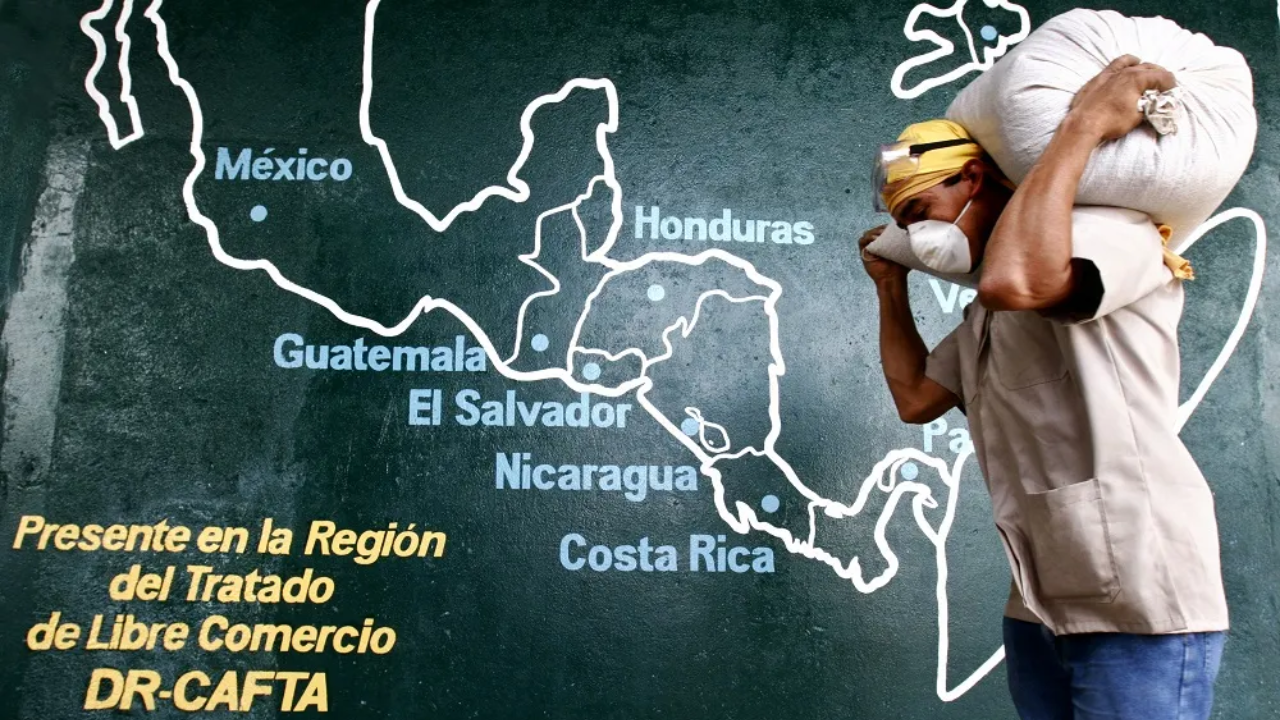
A shifting trade environment reshaped Costa Rica’s textile sector as new agreements altered tariff structures, sourcing rules, and competitive conditions. A changing policy landscape also revived old debates, including earlier concerns linked to CAFTA’s approval period.
Pre-Agreement Conditions Shaping Later Outcomes
A transitional policy phase existed before major free-trade arrangements created long-term structural changes.
- Limited flexibility in how factories sourced yarn and fabrics due to earlier tariff rules.
- Narrow export channels that depended heavily on individual buyer contracts.
- Higher operational risk, as market access could change under temporary or unilateral preference programs.
- Strong reaction to early policy proposals, with stakeholders expressing concern about potential job losses and factory relocation.
Transformation Under CAFTA
A decisive agreement altered the economic climate when the Central America–Dominican Republic–United States Free Trade Agreement (CAFTA) took effect.
- Greater tariff certainty encouraged firms to plan long-term export strategies.
- Stricter yarn-forward rules pushed companies toward compliant suppliers.
- Mixed community reactions, especially during its legislative debate, when job security concerns dominated public discussions.
- Increased emphasis on compliance, as environmental and labor standards became tied to trade preferences.
Post-CAFTA Trade Landscape
A broader trade network emerged, producing new opportunities and more complex competition.
- Expanded partnerships with Europe and parts of Asia, opening alternative destinations for high-value garments.
- Reduced reliance on single markets, protecting firms from volatility in U.S. demand.
- Shift toward value-added activities, with companies experimenting with technical fabrics and specialized design.
- Greater strategic planning, as firms prepare for global competition rather than regional rivalry alone.
Advantages Introduced by Free Trade Agreements
A modern trade framework supported several strengths that helped the industry evolve.
- Stable export conditions through predictable tariff schedules.
- Lower input costs due to reduced duties on threads, trims, and machinery.
- Easier production diversification, enabling movement into uniforms, sports textiles, and protective gear.
- Enhanced investor confidence, supporting upgrades in equipment and manufacturing processes.
Challenges Emerging From Free Trade Agreements
A demanding global environment created pressure on firms to adapt to new terms.
- Intense rivalry from countries with significantly lower labor costs.
- Complex paperwork tied to rules of origin and certification.
- Volatile foreign exchange movements are affecting export profitability.
- Persistent public concerns, rooted in earlier CAFTA debates, where communities feared factory downsizing.
Changes in Workforce Dynamics
A reorganized labor structure followed major changes in production methods and market access.
- Decline in basic sewing-line roles, replaced by specialized technical positions.
- Rise in design-oriented tasks, boosting demand for pattern makers and quality controllers.
- Joint training programs, supported by government institutions and private factories.
- Higher productivity expectations, driven by the need to compete with global producers.
Role of Free-Trade Zones in Shaping Growth
A strategic incentive system influenced where and how textile companies operated.
- Tax exemptions encouraged reinvestment in machinery and technology.
- Cluster-style operations allowed companies to share logistics, packaging, and certification services.
- Faster export procedures strengthened delivery reliability for time-sensitive apparel.
- Stronger international partnerships, as global brands prefer predictable regulatory environments.
Structural Shifts in Costa Rica’s Textile Sector After FTAs
Sector-Level Transformations
| Area | Change Observed |
|---|---|
| Market Access | Consistent tariff exemptions for exports to key partner countries. |
| Production Strategy | Movement toward specialized, high-value textile niches. |
| Investment Activity | Greater participation of multinational firms in free-trade zones. |
| Workforce Skills | Expansion of technical and design training programs. |
| Regulatory Compliance | Higher standards for environment and labor certification. |
Benefits and Pressures Linked to FTAs
Comparative Overview
| Category | Benefits | Pressures |
|---|---|---|
| Tariff Structure | Lower costs for both inputs and exports | Strict rules-of-origin documentation |
| Market Options | Broader access beyond the U.S. | Competition from low-wage Asian producers |
| Technology Adoption | Incentives for factory upgrades | Need for frequent modernization |
| Investor Activity | Greater stability in long-term planning | Possibility of relocation if costs rise |
Adaptation Strategies Adopted by Textile Firms
A shift toward innovation helped firms remain competitive despite new global pressures.
- Introduction of smart textiles, used in sports and medical applications.
- Stronger sustainability practices, including water-saving dye processes.
- Partnerships with universities supporting research in synthetic fibers and fabric optimization.
- Expansion into small-batch, high-quality production, targeting brands that value craftsmanship over mass production.
Long-Term Outcomes of FTA Participation
A redefined sector emerged after years of policy-driven adaptation.
- More diversified exports reduce vulnerability to single-market fluctuations.
- Improved global reputation, especially in ethical and environmentally responsible production.
- Stable high-skill employment, even as low-skill roles declined.
- Greater resilience, allowing firms to navigate changing global demand patterns.
Looking Ahead
A complex policy environment reshaped Costa Rica’s textile industry through a combination of opportunity and pressure. A long arc of adjustment turned the sector into a more skilled, diversified, and innovation-based industry, with free trade agreements playing a central role in setting the direction of its evolution.